
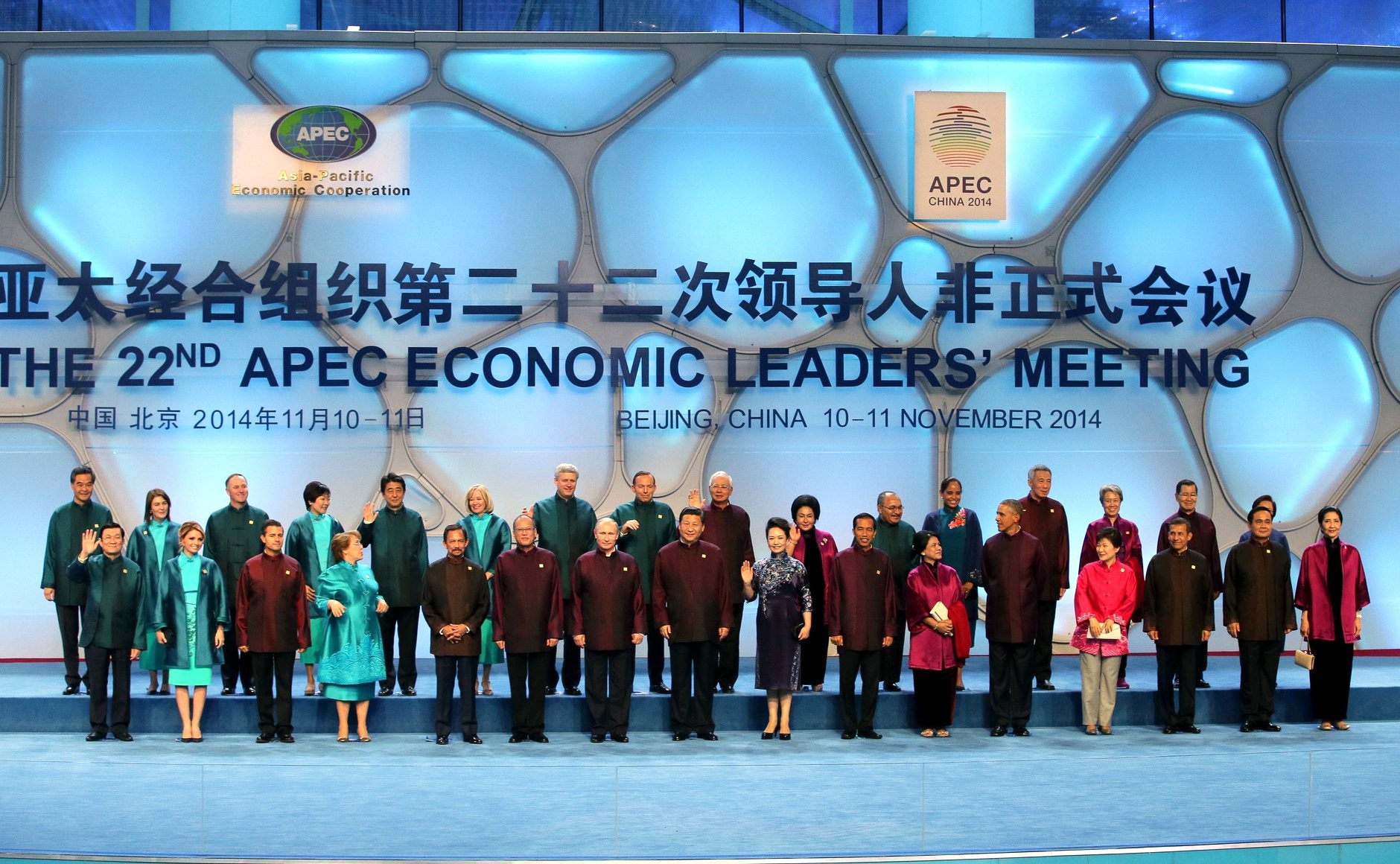
Russian President Vladimir Putin traveled to Beijing for a two-day summit with Chinese President Xi Jinping to strengthen strategic cooperation [1].
The meeting signals a deepening alignment between the two powers as they seek to expand energy and trade agreements while navigating a volatile global landscape. This partnership serves as a counterweight to Western influence, particularly as Russia faces continued international pressure.
The visit occurred on May 15-16, 2024 [2]. During the summit, the two leaders praised their existing partnership and discussed ways to broaden economic ties. Their agenda included expanding energy exports, and increasing trade volumes to ensure economic stability for both nations [1].
Beyond economics, the leaders addressed pressing geopolitical issues. Discussions focused on Middle East hostilities and the current state of the US-China relationship [1]. The talks highlighted how Beijing's foreign policy is influenced by its interactions with the U.S. — a dynamic that often shapes the limits of its cooperation with Moscow [3].
While the summit emphasized joint actions and a shared strategic vision, the underlying power dynamic remains a point of observation. The cooperation between the two nations is designed to create a multipolar world, though the specific priorities of Beijing often center on its primary rivalry with the U.S. [3].
Throughout the two-day event, the leaders reinforced their commitment to a strategic partnership. They aimed to coordinate their positions on international security, and trade to better withstand external economic pressures [1].
“Putin traveled to Beijing for a two-day summit with Chinese President Xi Jinping to strengthen strategic cooperation.”
The summit underscores a tactical convergence between Russia and China, where energy and trade serve as the glue for a broader geopolitical alliance. While Russia relies on China for economic survival and diplomatic cover, China balances this partnership against its complex relationship with the U.S., ensuring its strategic cooperation with Putin does not inadvertently trigger premature escalation with Washington.


