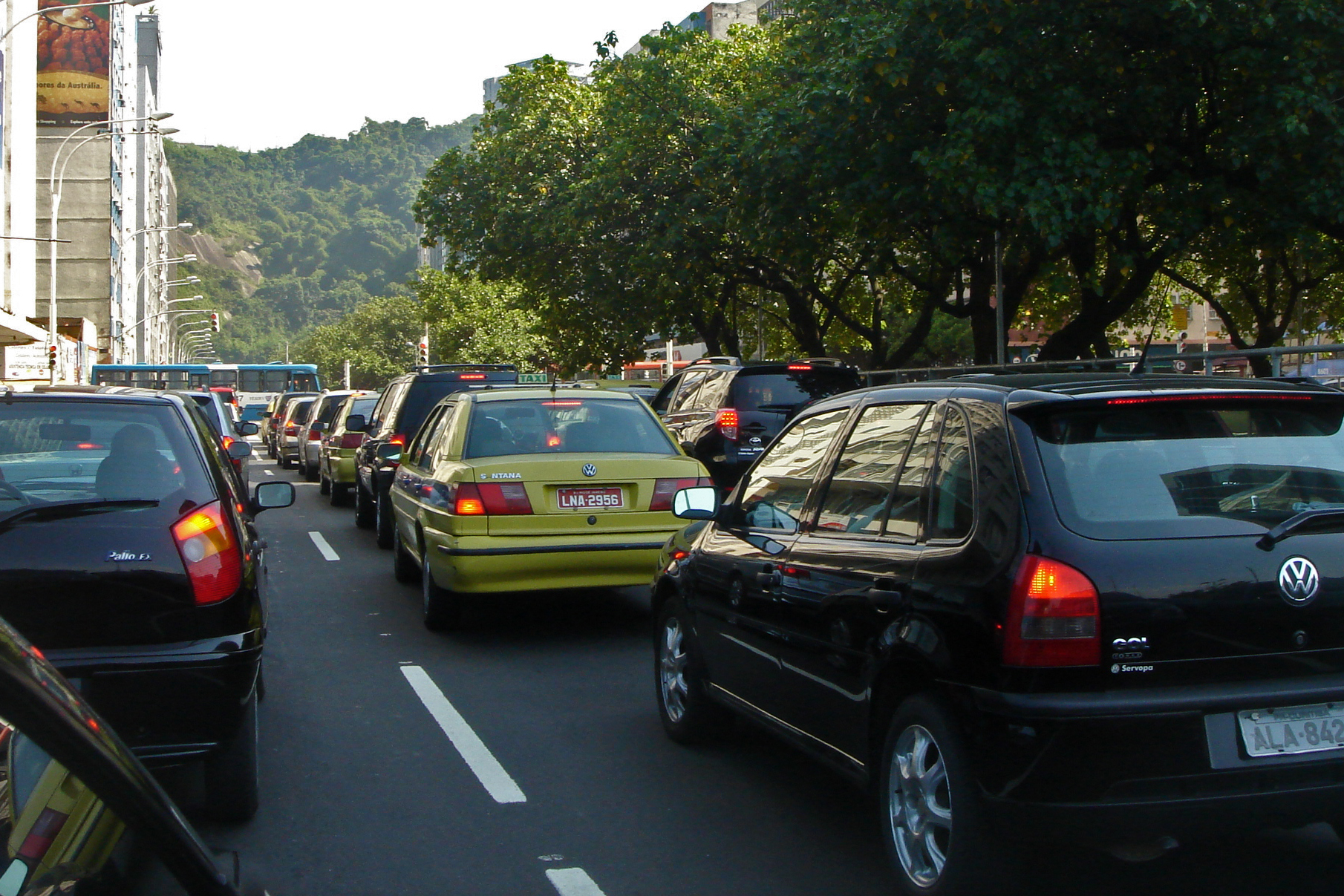
Bus drivers in Rio de Janeiro suspended their strike on Tuesday, July 1, 2026, after three days of paralysis [1].
The resolution of the strike restores critical transit infrastructure for millions of commuters in Brazil's second-largest city. The disruption had severely limited mobility across the metropolitan area, affecting both common bus lines and the Bus Rapid Transit (BRT) system.
The decision to end the walkout followed a ruling by the Superior Labor Court. The court increased the minimum required percentage of the fleet in circulation from 50% to 80% [3]. This legal pressure forced the drivers' unions to hold an assembly and vote to suspend the strike to avoid further legal repercussions.
On the morning the decision was reached, reports indicated that only 1,650 buses were operating [3]. This number fell significantly below the 80% threshold mandated by the court. Following the agreement, drivers were scheduled to return to work on Thursday, July 2, 2026 [2, 3].
Service levels recovered quickly after the agreement. Reports indicate that 100% of the BRT fleet and 98% of the common bus fleet returned to circulation [4]. Despite the return to work, some union representatives said the workers remain in a state of strike, suggesting that the underlying labor disputes have not been fully resolved [1].
The strike had lasted for three days before the suspension was announced [1]. The tension between the unions and the transit authorities centered on operational requirements and labor conditions, which the court's intervention helped resolve in the short term.
“The Superior Labor Court increased the minimum required percentage of the fleet in circulation from 50% to 80%.”
The intervention by the Superior Labor Court demonstrates the judiciary's priority of maintaining essential public services over the collective bargaining rights of transit workers. While the return of nearly the entire fleet restores immediate urban mobility, the union's claim that they remain in a 'state of strike' indicates a fragile peace that could lead to further disruptions if long-term labor demands are not met.


