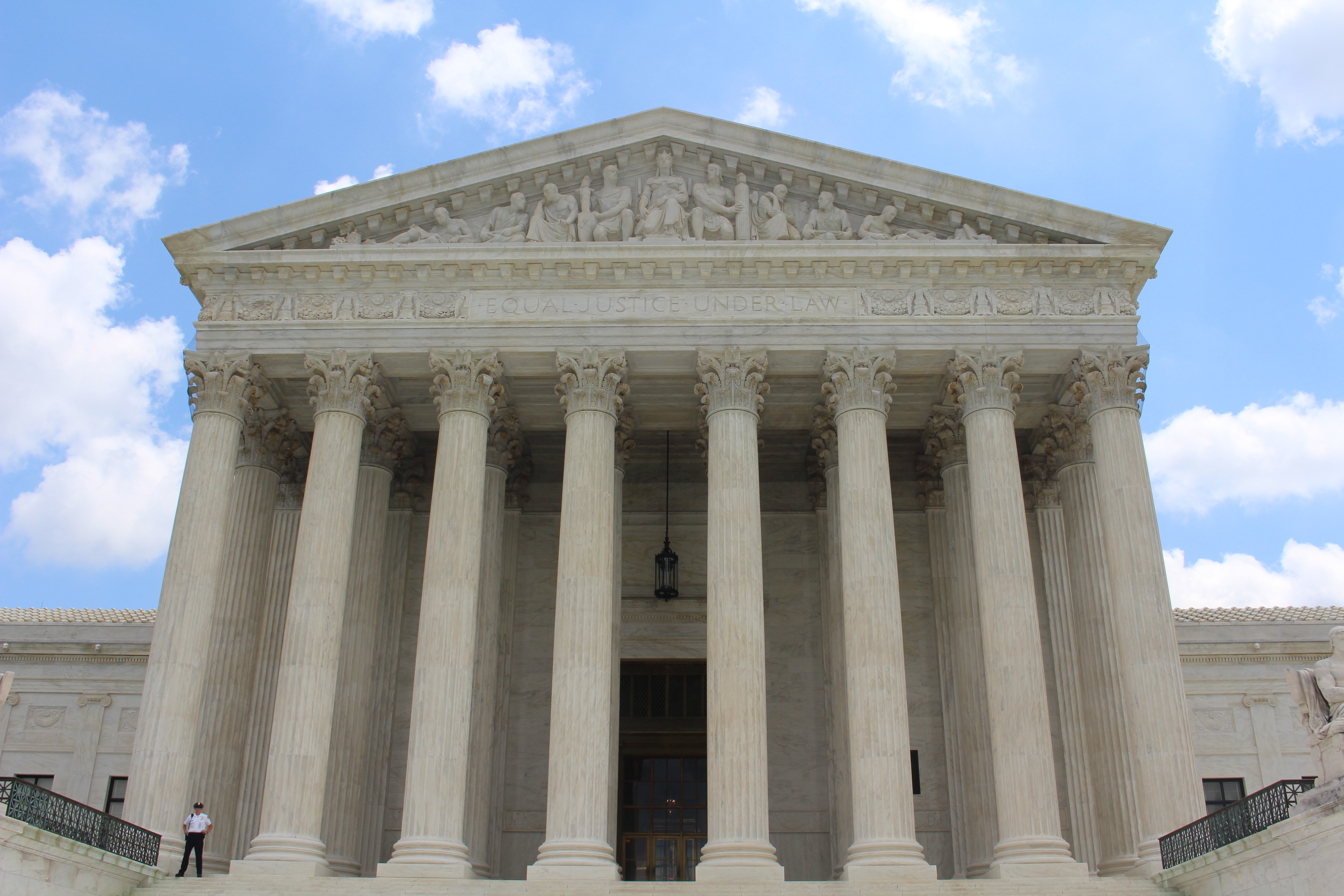
The U.S. Supreme Court rejected an executive order from former President Donald Trump that sought to end birthright citizenship [1, 2].
This ruling preserves a long-standing legal pillar of American immigration, ensuring that anyone born on U.S. soil is guaranteed citizenship regardless of their parents' legal status. The decision blocks a central component of Trump's immigration agenda and reaffirms the limits of executive power regarding constitutional interpretation.
The Court released its decision on June 27, 2024 [1]. The justices found that the president lacks the authority to unilaterally alter the constitutional definition of citizenship. Furthermore, the court deemed the challenge to be politically motivated rather than grounded in law [1, 3].
Justice Ketanji Brown Jackson said the Court’s decision makes clear that the president cannot rewrite the Constitution on a whim [2]. The ruling upholds the 14th Amendment, which serves as the legal basis for birthright citizenship in the United States [1, 2].
Reaction to the ruling was swift among political commentators. Megyn Kelly said the decision was disappointing and not a surprise during an interview on The Megyn Kelly Show [3].
While some reports suggested a lower federal judge blocked the order, the ruling was issued by the U.S. Supreme Court itself [1]. The decision effectively ends the legal attempt to remove citizenship guarantees for children born in the U.S. to non-citizen parents.
“The Court’s decision makes clear that the President cannot rewrite the Constitution on a whim.”
This ruling reinforces the judiciary's role in preventing the executive branch from bypassing the constitutional amendment process. By upholding the 14th Amendment, the Court ensures that birthright citizenship remains a fixed legal right, meaning any future attempt to change it would likely require a constitutional amendment rather than a presidential order.


