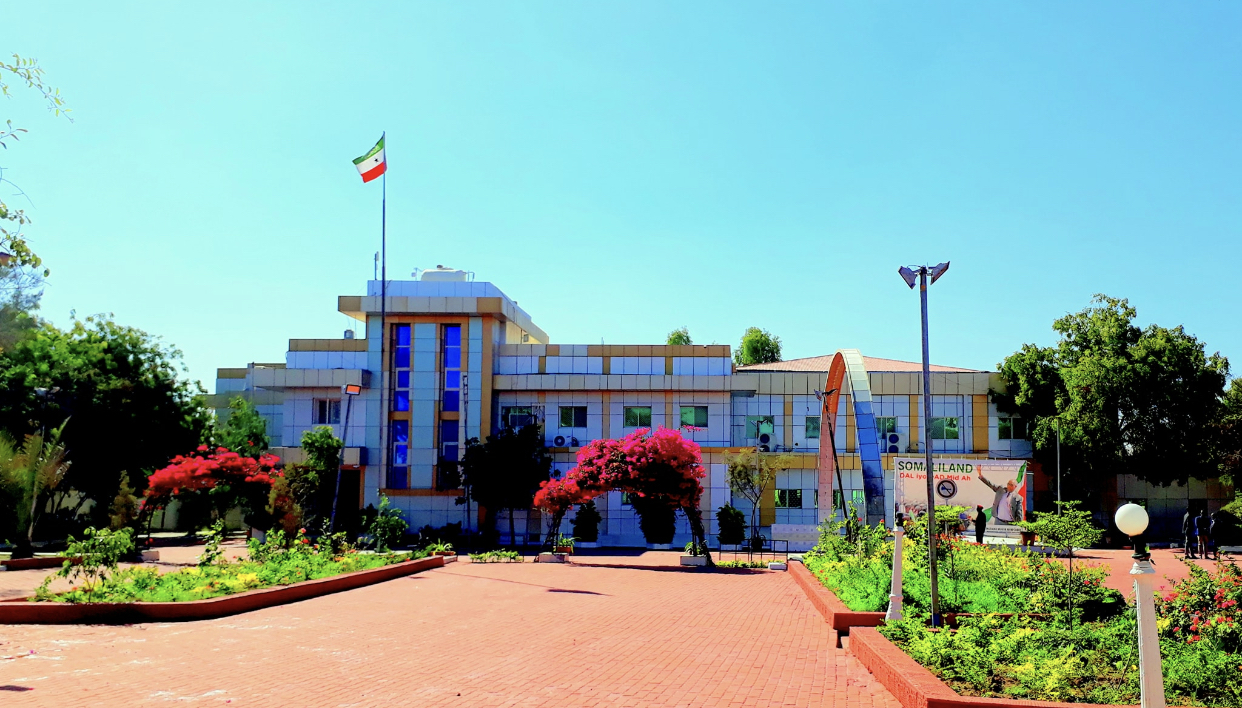
Somaliland President Abdirahman Mohamed Abdullahi (Irro) granted a general presidential pardon to 609 prisoners convicted of minor offenses on Tuesday [1].
The move represents a significant exercise of executive clemency within the region's judicial system. By releasing a large volume of inmates, the administration may be attempting to reduce prison overcrowding or signal a period of national reconciliation.
President Abdullahi, also known as Irro, acted by exercising his constitutional authority to extend clemency to eligible inmates [1]. The pardon applies nationwide and specifically targets those whose convictions were for minor crimes [1].
Reports said the president determined that these 609 individuals [1] met the criteria for release under the existing legal framework. The decision allows the government to shift its focus toward more serious offenders while offering a path back to society for those with less severe records.
Official statements said the pardon was a direct application of the president's constitutional powers [1]. This action follows standard procedures for presidential clemency in Somaliland, where the head of state can mitigate sentences for specific groups of prisoners.
While the specific nature of the "minor offenses" was not detailed in the announcement, the scale of the release is notable for the region's current penal landscape [1]. The administration has not yet released a detailed breakdown of the prisoners' backgrounds, or the specific crimes for which they were convicted.
“Somaliland President Abdirahman Mohamed Abdullahi (Irro) on Tuesday granted a general presidential pardon to 609 prisoners”
This mass pardon underscores the significant power of the Somaliland presidency over the judicial process. By targeting minor offenders, the administration can alleviate pressure on the correctional system without appearing to compromise public safety by releasing violent criminals. It serves as a strategic use of constitutional authority to manage the inmate population.


