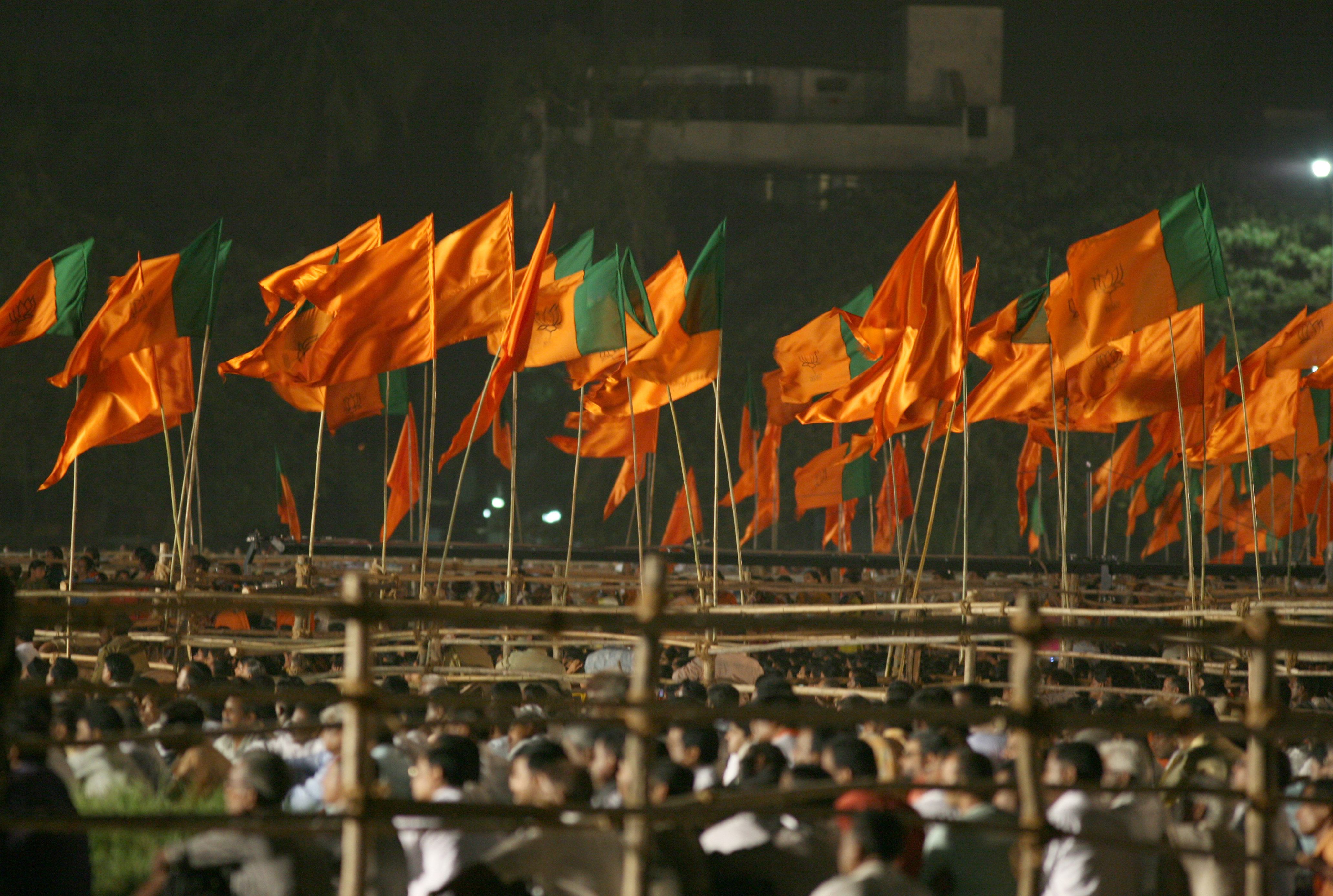
South Korean political leaders intensified their regional campaigns this week with nine days remaining before the June 2024 local and by-elections [1].
These strategic movements are critical as both the ruling and opposition parties seek to solidify their base in traditional strongholds while competing for undecided voters in central regions. The outcome of these elections often serves as a barometer for national sentiment toward the current administration.
Democratic Party leader Jeong Cheong-rae visited Jeonbuk to engage with voters [1]. This visit followed a previous trip to Jeonnam, as the party works to maintain its influence in the southwestern provinces [1]. By securing these strongholds, the party aims to create a stable foundation for its broader electoral goals.
Simultaneously, Jang Dong-hyuk embarked on a trip to the TK region [1]. The Daegu-Kyongbuk (TK) area is a traditional powerhouse for conservative support, and the visit is intended to mobilize the party's core constituency before the polls open [1].
Beyond their respective strongholds, both parties are focusing their efforts on the Chungcheong region [1]. Known as the "central heartland," the Chungcheong area is often viewed as the decisive battleground in South Korean politics. Parties believe that winning over this region is essential for a comprehensive victory in the local elections [1].
Campaign activities have accelerated as the countdown to the June 2024 elections reaches its final stretch [1]. The strategy involves a dual approach: reinforcing loyalty in safe zones, and aggressively courting the swing voters of the center [1].
“Both parties are focusing their efforts on the Chungcheong region.”
The simultaneous push into both traditional strongholds and the central Chungcheong region indicates that neither party is willing to concede the 'middle ground' of the electorate. By mobilizing the TK and Jeonbuk bases while fighting for the center, the parties are attempting to maximize turnout and capture the momentum necessary to influence the national political landscape following the 2024 local results.