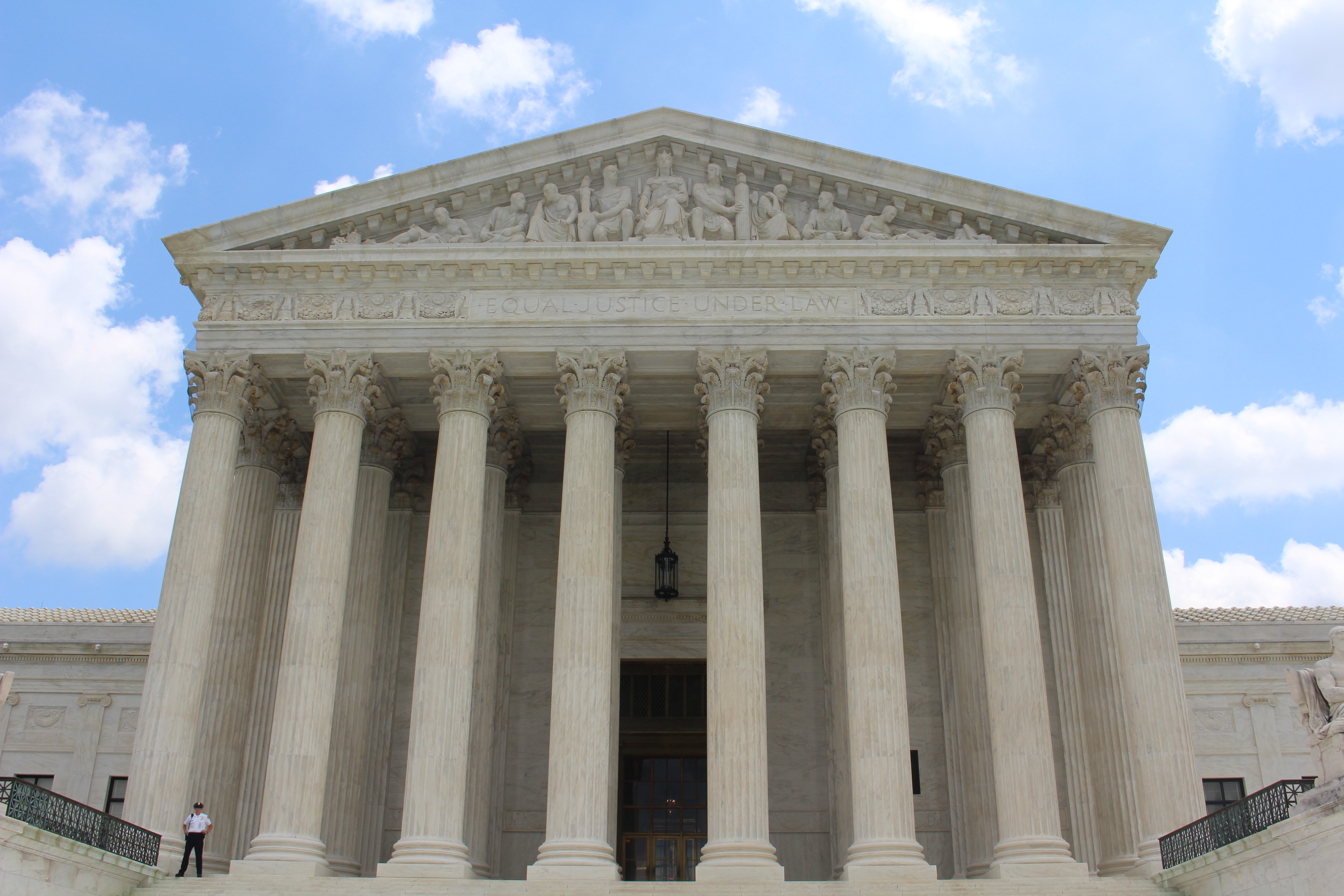
The U.S. Supreme Court ruled Tuesday that birthright citizenship remains protected under the Constitution, rejecting an executive order from President Trump [1].
This decision preserves a long-standing legal pillar of American identity and immigration law. By blocking the administration's attempt to restrict citizenship for children born on U.S. soil, the court prevents a fundamental shift in how the nation defines its citizenry.
The court reached the decision in a six-three vote [1]. The ruling specifically addressed an executive order that sought to limit birthright citizenship, which the justices determined was unconstitutional [1]. The decision was released on June 30, 2026 [2].
Lawmakers on Capitol Hill reacted to the news throughout the day. While some members of Congress voiced support for the preservation of the 14th Amendment's protections, others said they were disappointed that the administration's restrictions were not upheld [3].
The legal challenge centered on whether a president possesses the authority to alter citizenship eligibility via executive action. The majority opinion clarifies that such a change would require a constitutional amendment rather than a directive from the White House, a distinction that maintains the status quo for millions of families.
Despite the ruling, the political divide remains sharp. Some lawmakers argued that the decision ignores modern immigration challenges, while supporters of the ruling said it protects the core values of the U.S. legal system [3].
“The Supreme Court ruled 6-3 to preserve birthright citizenship.”
This ruling reinforces the judicial interpretation of the 14th Amendment, signaling that birthright citizenship is a constitutional guarantee that cannot be overturned by executive order. It limits the scope of presidential power regarding immigration status and ensures that children born in the U.S. continue to acquire citizenship automatically, regardless of their parents' legal status.


