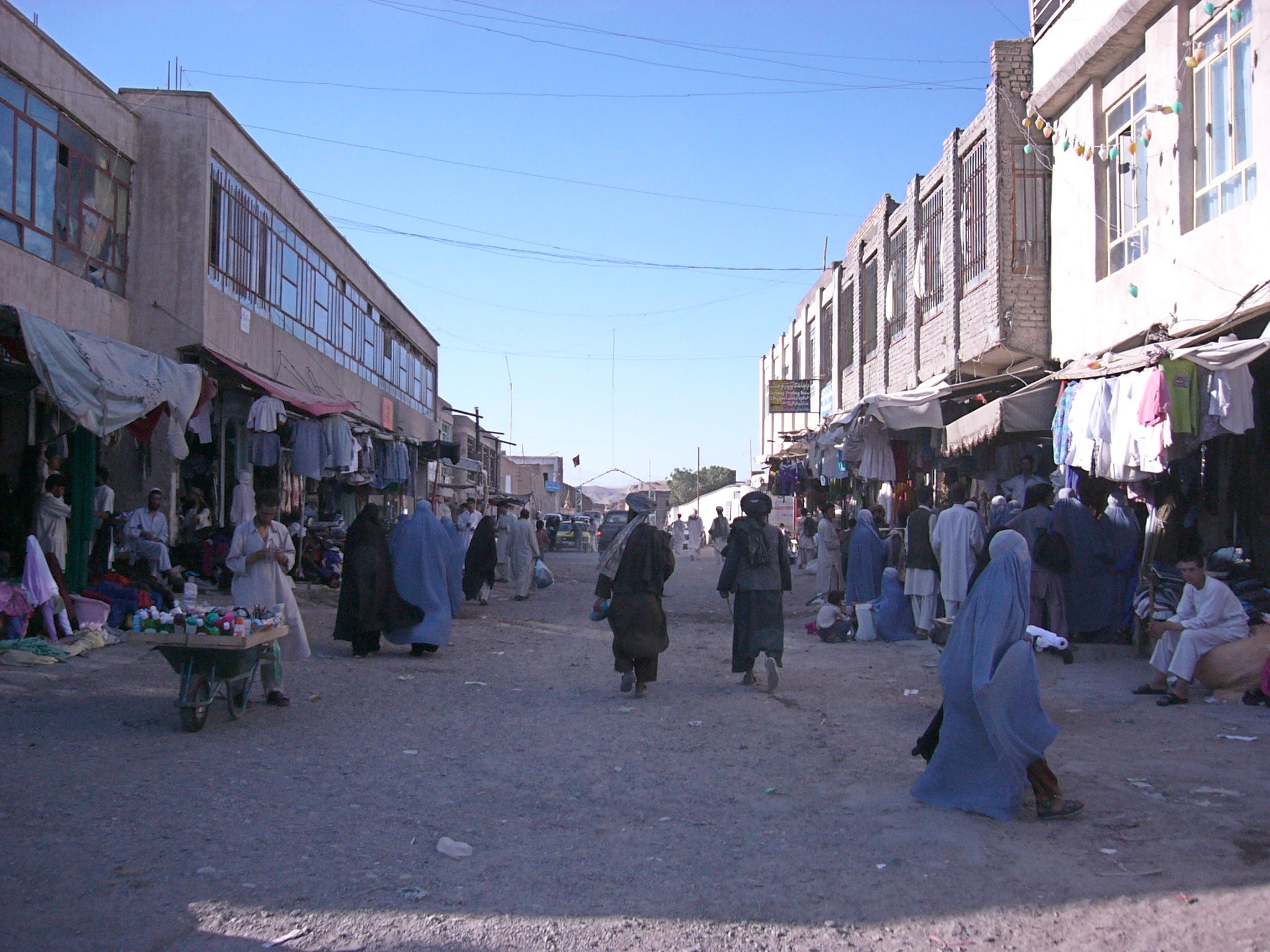
Taliban authorities in Herat are enforcing strict dress-code restrictions that have caused a sharp decline in customers for local businesses [1, 2].
This economic downturn matters because women constitute the majority of shoppers in these markets. When morality police enforcement keeps women at home, the local commercial ecosystem loses its primary consumer base [1, 2].
In Herat, located in western Afghanistan, the crackdown has created a visible void in the marketplaces. Shopkeepers said the increased presence of morality police, who monitor and enforce specific attire rules, has deterred women from entering public shopping areas [1, 2].
The shift has hit a wide range of vendors. From clothing stores to general merchandise shops, the lack of female foot traffic has led to a significant drop in daily sales [2]. Because women typically manage the household purchasing for food, and clothing, their absence removes the primary driver of retail activity in the region [1, 2].
Local business owners said the enforcement of social codes is directly undermining the financial viability of their shops. The restrictions effectively isolate women from the public sphere, leaving markets quiet and revenues dwindling [2].
This trend in Herat reflects a broader tension between the Taliban's ideological mandates and the practical requirements of a functioning urban economy [1].
“Women constitute the majority of shoppers in these markets.”
The situation in Herat demonstrates a direct conflict between the Taliban's strict interpretation of morality laws and the economic stability of Afghanistan's urban centers. By restricting the mobility and visibility of women, the authorities are inadvertently suppressing local commerce, as the retail economy depends heavily on female consumers to sustain business operations.


