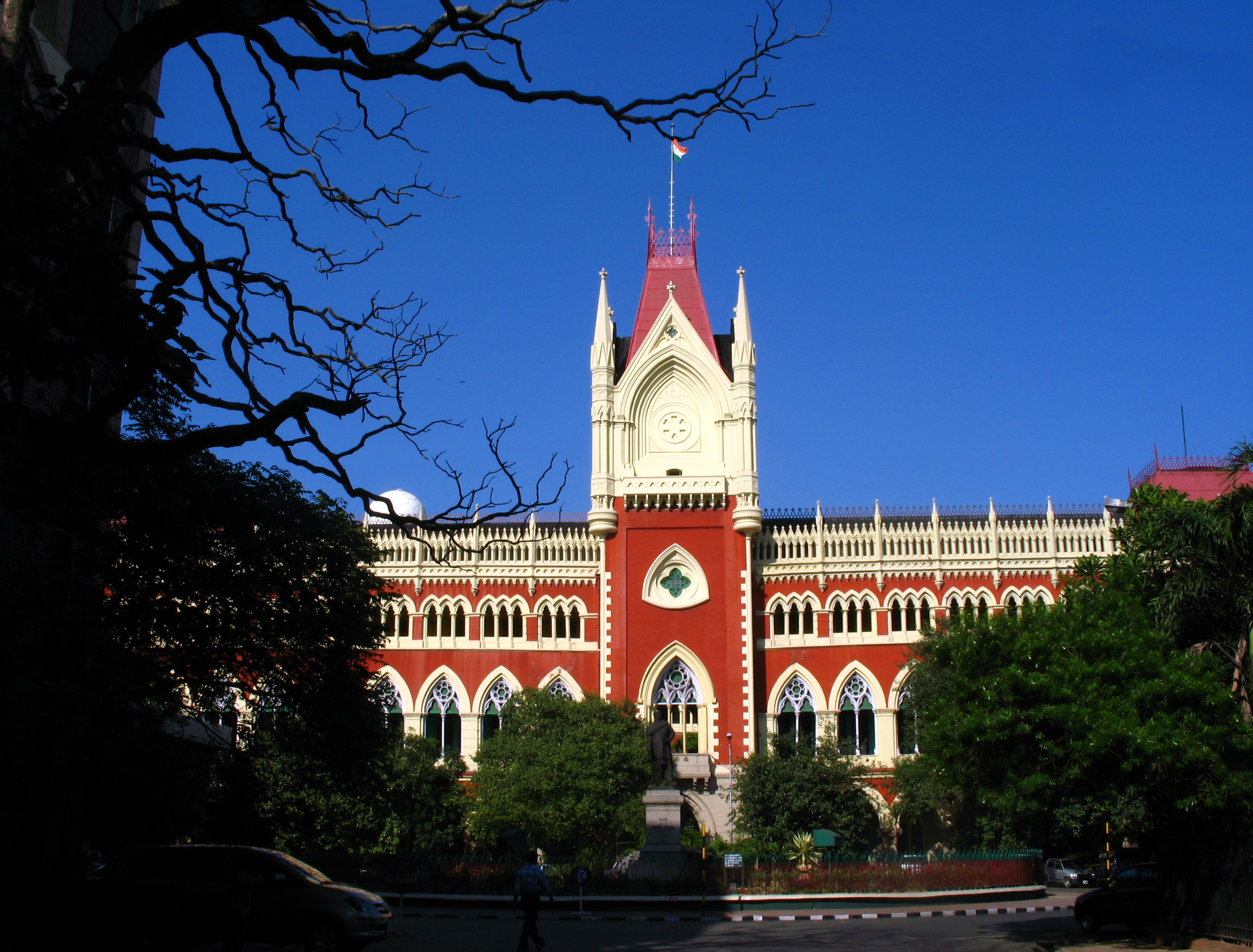
Telegram filed an urgent petition in the Delhi High Court on 17 June 2026 [2] to challenge a temporary ban imposed by the Indian government.
The legal battle highlights a growing tension between national security, education integrity, and the operational freedom of global encrypted messaging platforms. Because the ban affects millions of users, the court's decision will set a precedent for how India handles digital platforms accused of facilitating academic fraud.
India's Ministry of Electronics and Information Technology announced the block on 16 June 2026 [1]. The government said the ban will remain in force until 22 June 2026 [1]. Ashwini Vaishnaw, India's Minister of Electronics and Information Technology, said, "Telegram was being used to facilitate cheating in the NEET exam" [1].
The ban follows allegations that the app was used to leak papers for the NEET-UG medical entrance exam. These leaks reportedly led to the cancellation of millions of results [1].
Telegram CEO Pavel Durov disputed the government's characterization of the service. "We are not a platform for cheating; we respect the privacy of our users," Durov said [1]. The company said the ban is disproportionate and harms legitimate users who rely on the app for communication.
Public unrest has coincided with the legal dispute. Students took to the streets in protest over the exam irregularities. One student protester, representing the Cockroach Janta Party, said, "We demand the resignation of the education minister" [3].
Telegram's petition seeks an immediate reversal of the order. The company said blocking the entire platform is an excessive response to the actions of a few users.
“"We are not a platform for cheating; we respect the privacy of our users."”
This conflict underscores the struggle for governments to regulate encrypted platforms where illicit activity can occur privately. By banning the entire app rather than targeting specific accounts, the Indian government is prioritizing the integrity of its medical licensing process over the connectivity of its general population. The outcome of the Delhi High Court petition will determine whether the state can justify broad service outages as a tool for academic policing.


