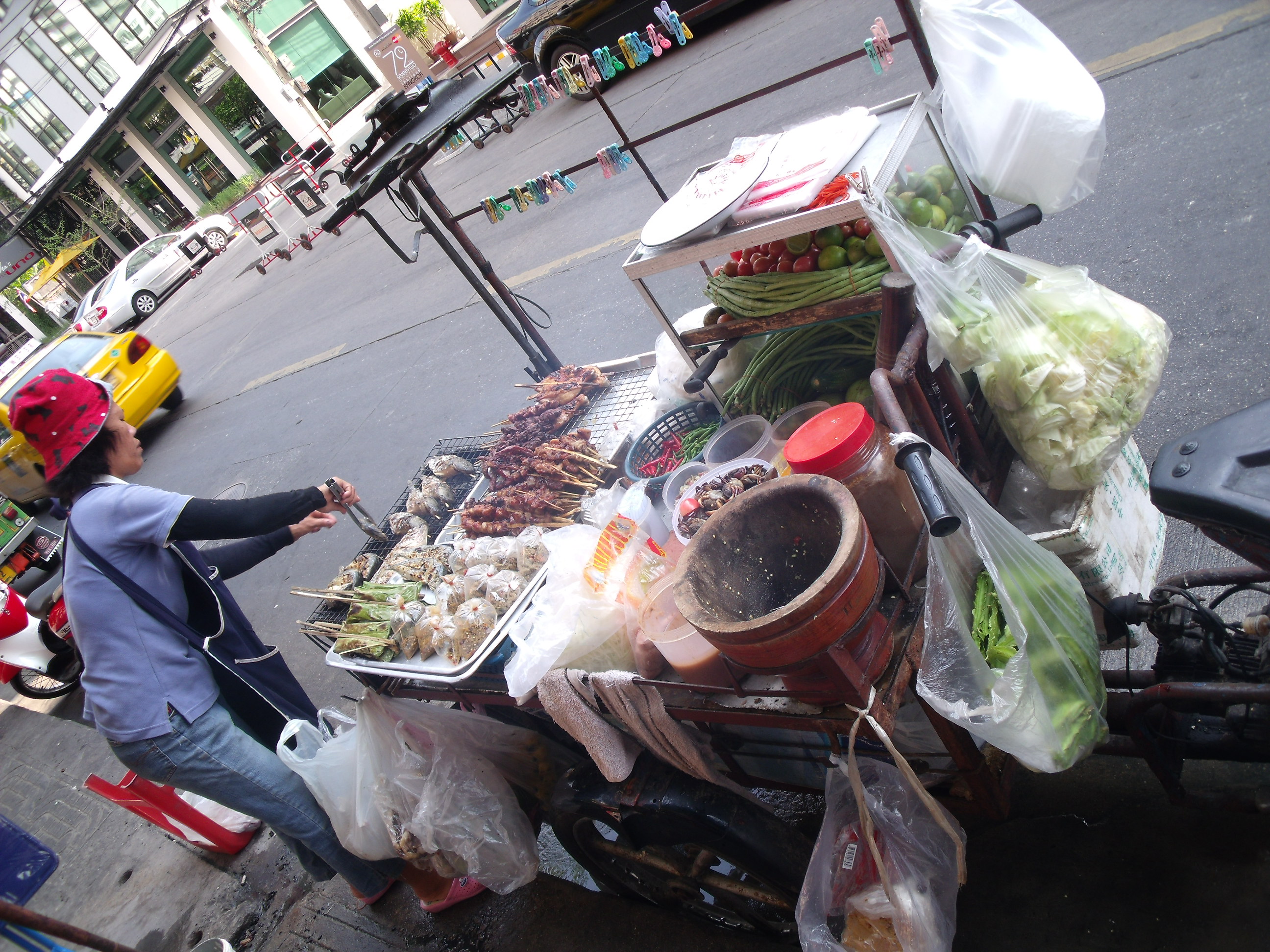
The Thai government is planning a project to enable food vendors to sell ready-to-eat meals for 40 baht per dish [1].
This initiative targets the B40 income group, providing a critical safety net for the country's lowest earners facing rising costs of living. By capping the price of basic meals, the government seeks to ensure food security for vulnerable populations.
The commerce minister said the government plans to launch a project that would allow vendors to offer ready-to-eat food at 40 baht per dish [1] by next month [1]. The project focuses on ready-to-eat options to provide immediate relief to consumers.
Vendors will be the primary partners in this rollout. The government intends to coordinate with these sellers to maintain the 40 baht [1, 2] price point, while ensuring the meals remain viable for the vendors to produce. This collaboration is designed to balance the needs of the poor with the economic realities of small-scale food businesses.
While the specific number of participating vendors has not been disclosed, the project is framed as a targeted intervention for those in the B40 group [1]. The effort comes as part of a broader strategy to manage food affordability across the country.
"The government plans to launch a project that would allow vendors to offer ready-to-eat food at 40 baht per dish by next month," the commerce minister said [1].
“The Thai government is planning a project to enable food vendors to sell ready-to-eat meals for 40 baht per dish.”
This project represents a direct government intervention in the food market to protect the purchasing power of the B40 income group. By leveraging existing street food infrastructure, the Thai government is attempting to lower the barrier to basic nutrition without building new state-run cafeterias, though the long-term sustainability depends on whether vendors receive subsidies to offset the low price point.


