
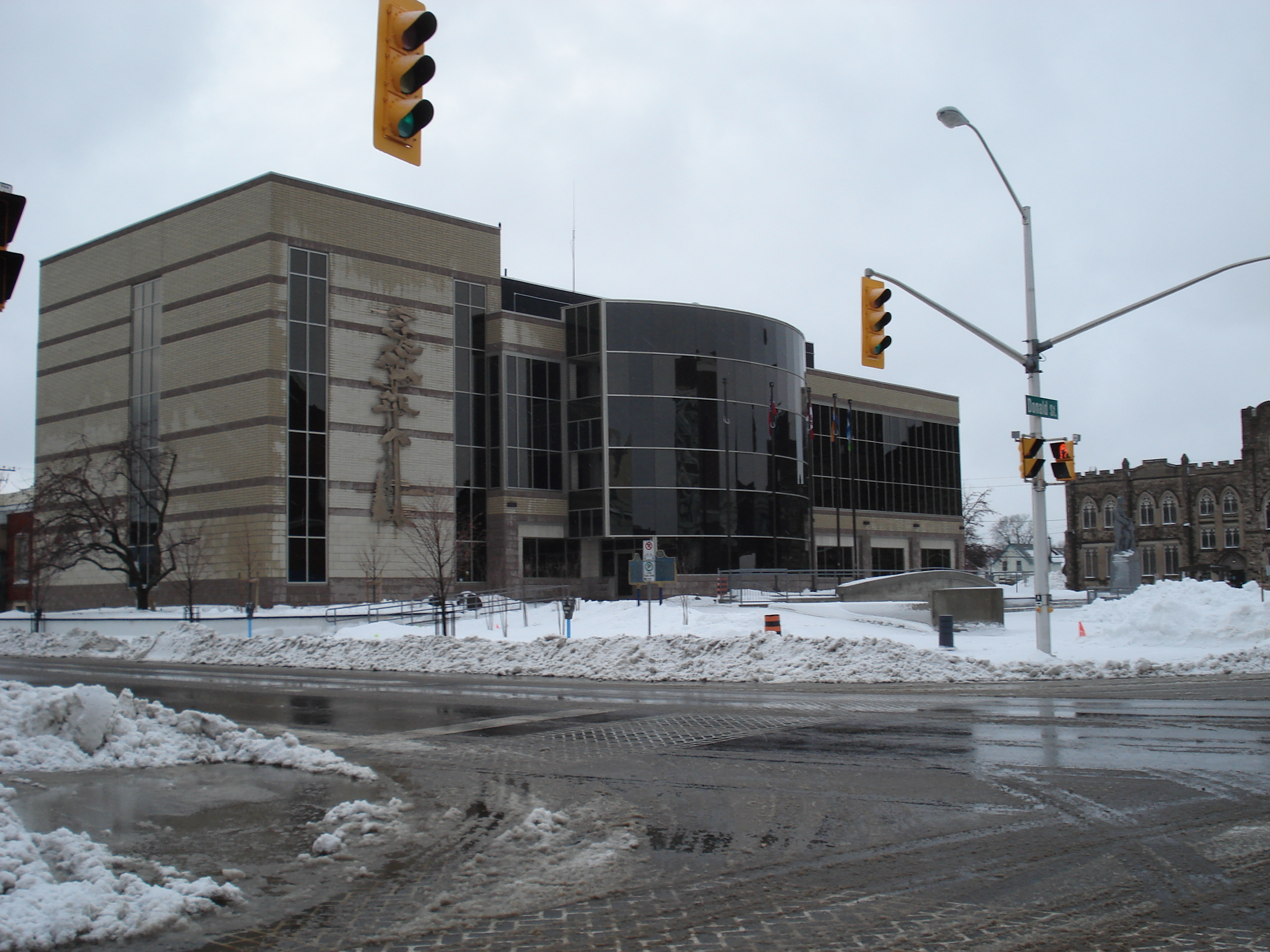
The City of Thunder Bay tabled a draft incident-response policy on Tuesday to address vandalism, assault, and loitering on city property [1].
The proposal seeks to standardize how the city handles security and behavioral issues on municipal land. By creating a consistent framework, officials aim to ensure that responses to disruptive incidents are uniform across all city-owned sites [1, 3].
Thunder Bay officials designed the policy to provide clear guidelines for responding to specific threats, including physical assaults and property damage [1, 2]. The draft focuses on maintaining the safety and integrity of public spaces while establishing a predictable protocol for city staff and security personnel [1, 3].
Council members are reviewing the document to determine how it will be implemented and which city departments will be responsible for enforcement [1, 2]. The policy targets a range of behaviors, from loitering to more severe criminal acts, ensuring that each is met with a calibrated response [1, 3].
This initiative comes as the city looks to better manage the intersection of public access and property maintenance [3]. The draft policy outlines the steps necessary to mitigate risks to the public and city employees who operate within these municipal environments [1, 2].
City council will continue to deliberate on the draft to ensure it meets the needs of the community, and the legal requirements of the province of Ontario [1].
“The proposal seeks to standardize how the city handles security and behavioral issues on municipal land.”
The introduction of a formal incident-response policy suggests that Thunder Bay is moving toward a more structured, administrative approach to public order on city property. By codifying responses to vandalism and loitering, the city aims to reduce liability and inconsistency in how municipal bylaws and provincial laws are applied in public spaces.


