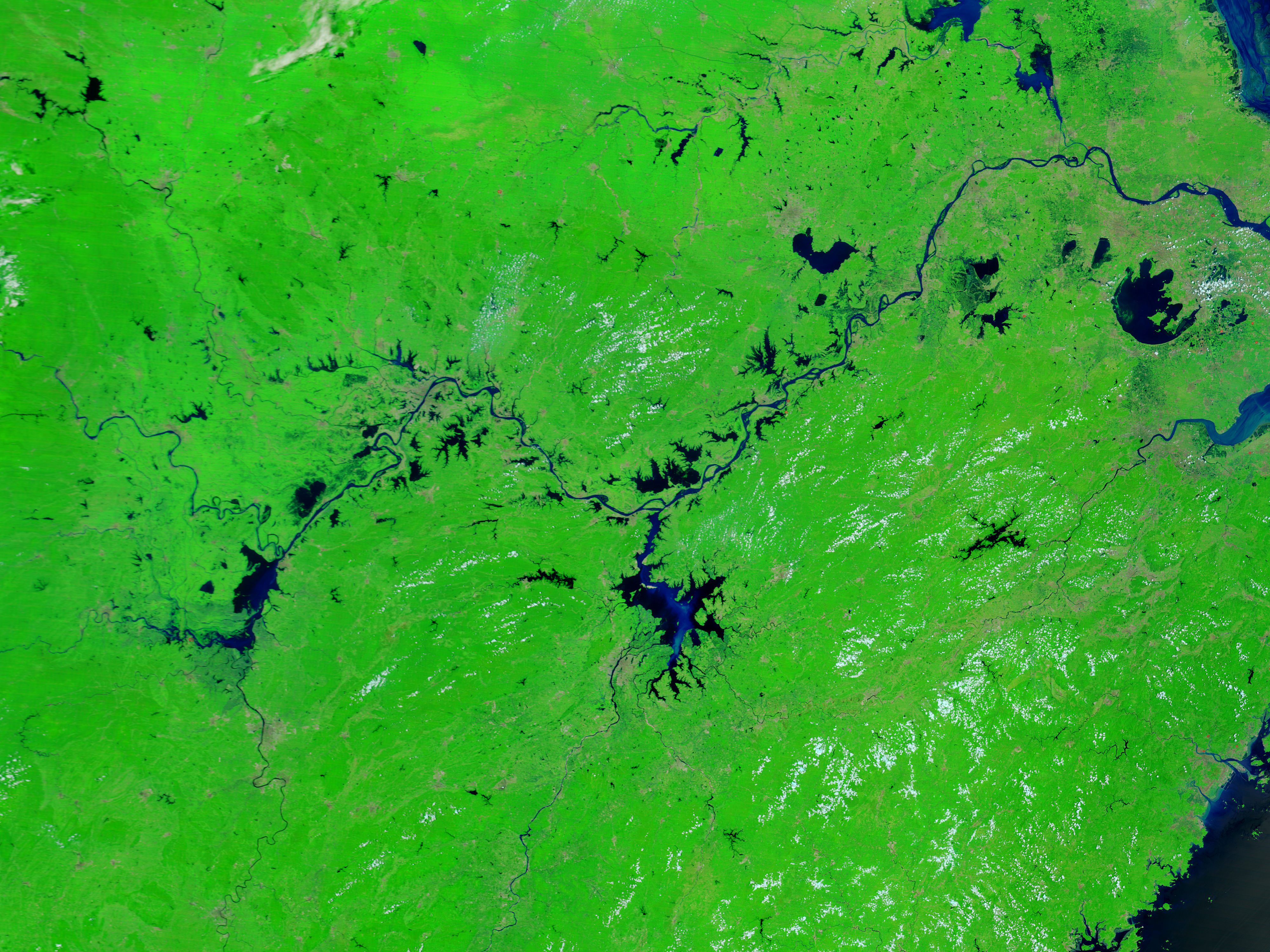
Typhoon Bavi made landfall in eastern China on Sunday, bringing fierce winds and a powerful storm surge to the coast [1].
The scale of the evacuation and the intensity of the storm surge highlight the vulnerability of coastal urban centers to extreme weather events. The storm's ability to shatter infrastructure in densely populated areas creates significant humanitarian and economic risks.
The storm primarily impacted Taizhou city, where the combination of an intense low-pressure system and high winds caused severe conditions [1, 2]. Footage from the region showed the storm surge smashing through windows and flooding coastal areas [2].
To mitigate the risk of casualties, authorities ordered the evacuation of nearly 2 million people [1]. This mass movement of residents was necessary as the typhoon's winds and surge created life-threatening conditions along the eastern coastline [1, 2].
As the system moved further inland, it lost some of its intensity. Meteorological reports indicate that the system was later downgraded to a severe tropical storm [1]. Despite the downgrade, the initial impact left a trail of destruction in the affected coastal districts [2].
Local officials and emergency services continued to monitor the inland movement of the storm to prevent further flooding and structural collapses. The event underscores the ongoing challenge of managing large-scale evacuations in the face of intensifying Pacific storms [1].
“nearly 2 million people [evacuated]”
The landfall of Typhoon Bavi demonstrates the critical importance of early warning systems and large-scale evacuation protocols in China's coastal provinces. While the downgrade to a severe tropical storm reduced the immediate threat of wind damage, the initial storm surge in Taizhou illustrates how low-pressure systems can cause sudden, catastrophic structural failure in urban environments.


