The UNESCO World Heritage Committee will convene in Busan next week to hold its latest session [1].
The event marks a significant diplomatic and cultural moment for South Korea, as the nation seeks to elevate global awareness of its preservation efforts. By hosting the committee, Busan serves as the central hub for international discussions on the protection of humanity's most valued sites.
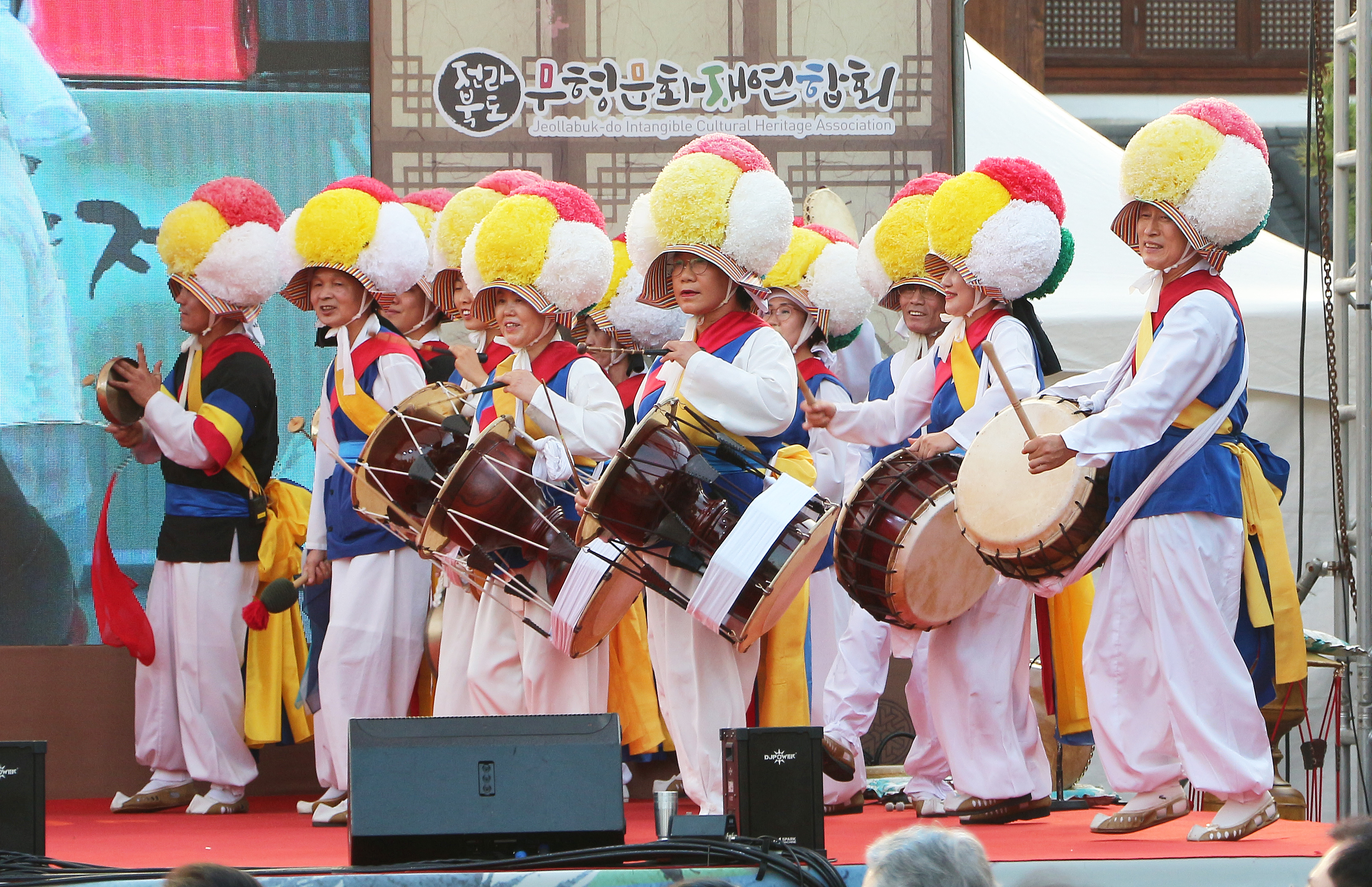
To complement the official proceedings, Korean UNESCO World Heritage sites are being presented through a series of live stage performances [1]. These productions move beyond traditional museum displays, using theatrical elements to reimagine historical sites for a modern audience. The initiative aims to engage viewers in ways that static preservation methods cannot achieve.
Professor Chie Hye-won of Kyung Hee University, a culture critic, said she is providing commentary on these presentations [1]. Her analysis focuses on how the integration of performing arts can breathe new life into ancient heritage, making the history accessible to a broader demographic.
The decision to use live performance as a promotional tool reflects a broader strategy to highlight the richness of Korean culture. These showcases are designed to attract global attention before the committee begins its formal deliberations in Busan [1].
By blending education with entertainment, the organizers hope to demonstrate that world heritage is not merely a collection of ruins, but a living part of contemporary identity. The performances serve as a prelude to the committee's work, framing the cultural landscape of the host city and country for the visiting delegates [1].
“Korean UNESCO World Heritage sites are being presented through live stage performances.”
The use of stage performances to showcase heritage sites suggests a shift toward 'experiential preservation.' By transforming historical data into live art, South Korea is attempting to redefine how nations bid for and maintain World Heritage status, moving from a purely academic approach to one based on cultural soft power and public engagement.