
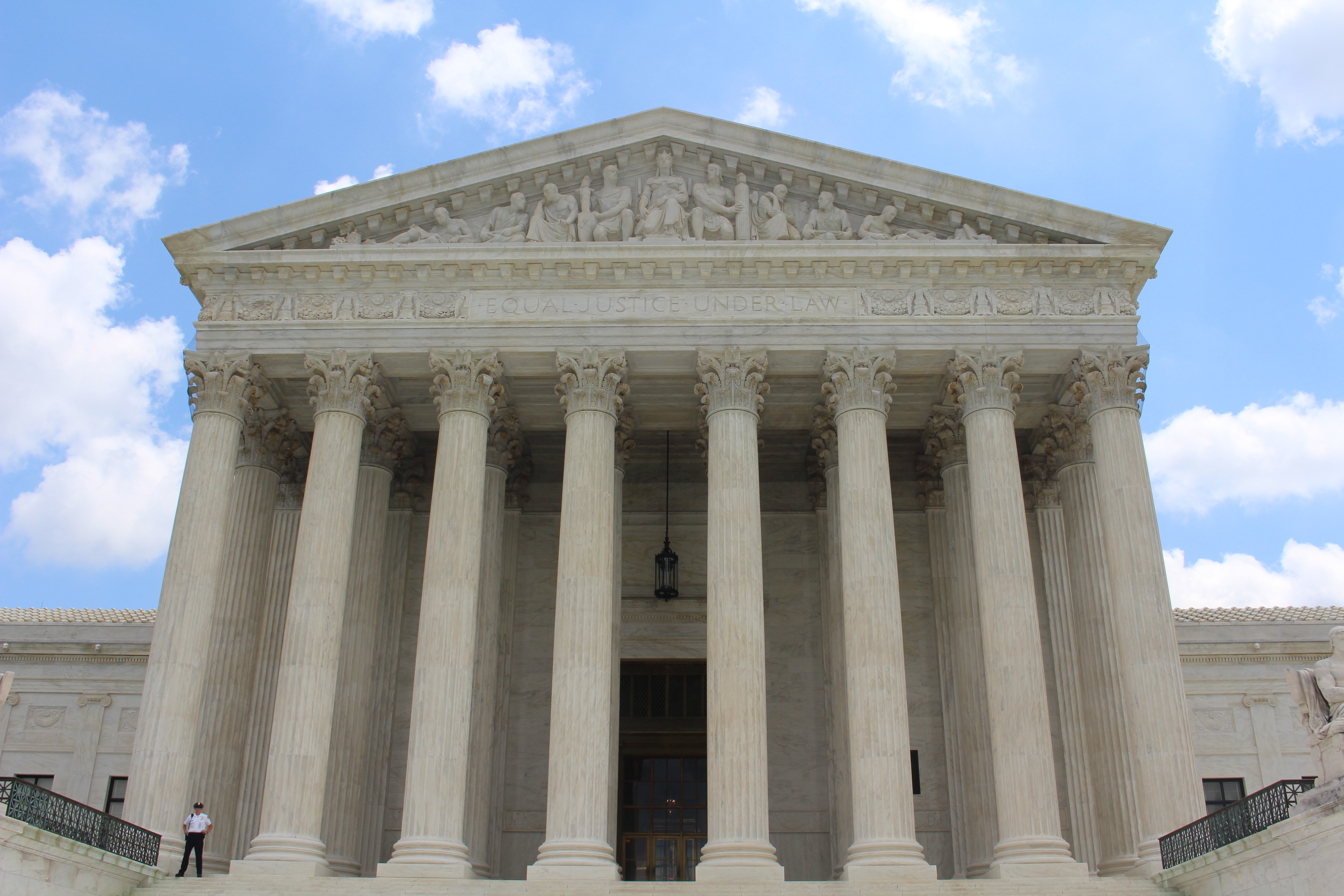
The U.S. Supreme Court ruled that women may continue to obtain abortion medication by mail following a permanent FDA rule change [1].
This ruling intensifies the conflict between federal authority and state sovereignty. As the 2026 midterm elections approach, the legality of medication access has become a central point of political contention [2, 3].
The Food and Drug Administration made the removal of in-person dispensing requirements permanent in 2023 [1]. This action followed a 2024 Supreme Court decision that maintained the legality of mailing these medications [1].
Despite these federal standards, several state governments have enacted restrictive measures. Mississippi law imposes up to 10 years in jail for those who prescribe or distribute abortion medication [1]. Louisiana has further restricted access by classifying the medication as a controlled substance [1].
Texas has adopted a different legal strategy to limit access. State law in Texas allows private individuals to file lawsuits against companies that mail abortion pills [1]. These diverse state-level responses create a fragmented legal landscape across the country.
The ongoing battle reflects a deeper struggle over the balance of power between the federal government and individual states. With the 2026 midterm elections looming, the issue of reproductive healthcare access is expected to drive voter turnout and legislative priorities [2, 3].
“The U.S. Supreme Court ruled that women may continue to obtain abortion medication by mail”
The divergence between federal FDA regulations and state criminal laws creates a precarious legal environment for healthcare providers. By utilizing civil lawsuits and controlled substance classifications, states are attempting to bypass federal rulings, effectively turning medication access into a primary electoral wedge issue for the upcoming midterms.


