The United States carried out its third airstrike against Iran this week in retaliation for an Iranian attack on a commercial vessel [1].
This escalation marks a significant spike in tensions in the Strait of Hormuz, a critical global shipping lane, following Iran's announcement of a full blockade of the waterway [1, 2].
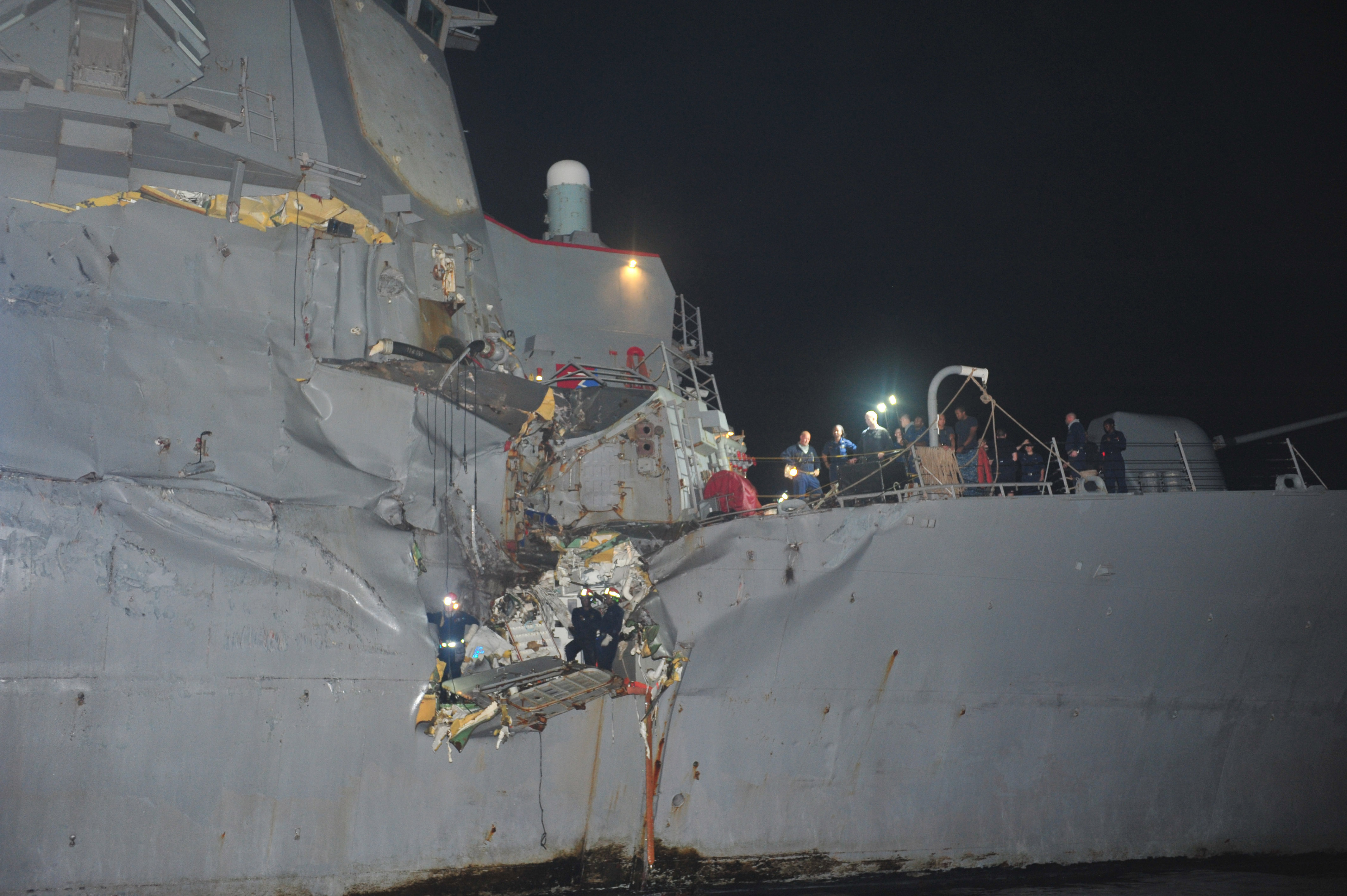
U.S. Central Command said the Iran Revolutionary Guard Corps attacked the Cyprus-flagged container ship "Galaxy" while it was transiting the Strait of Hormuz at 7:15 p.m. EST on July 11 [1]. The military said the ship is currently on fire and its engine room is severely damaged, rendering it unable to sail [1].
According to U.S. Central Command, one civilian crew member is missing [1]. The military said the Central Command unit launched the third airstrike of this week in response to the incident [1].
The strikes follow a series of volatile encounters in the region. The U.S. military said the attack on the "Galaxy" was an open provocation that necessitated a military response to protect commercial maritime interests [1, 2].
While some reports have mentioned Israeli preparations for similar responses, U.S. Central Command confirmed the execution of these specific strikes against targets inside Iran [1, 2].
“The United States carried out its third airstrike against Iran this week”
The transition from sporadic skirmishes to a declared blockade of the Strait of Hormuz combined with multiple U.S. airstrikes suggests a breakdown in diplomatic deterrence. By targeting the 'Galaxy,' a commercial vessel, Iran has challenged the freedom of navigation in one of the world's most vital energy corridors, likely triggering a sustained U.S. military posture to prevent a total closure of the strait.


