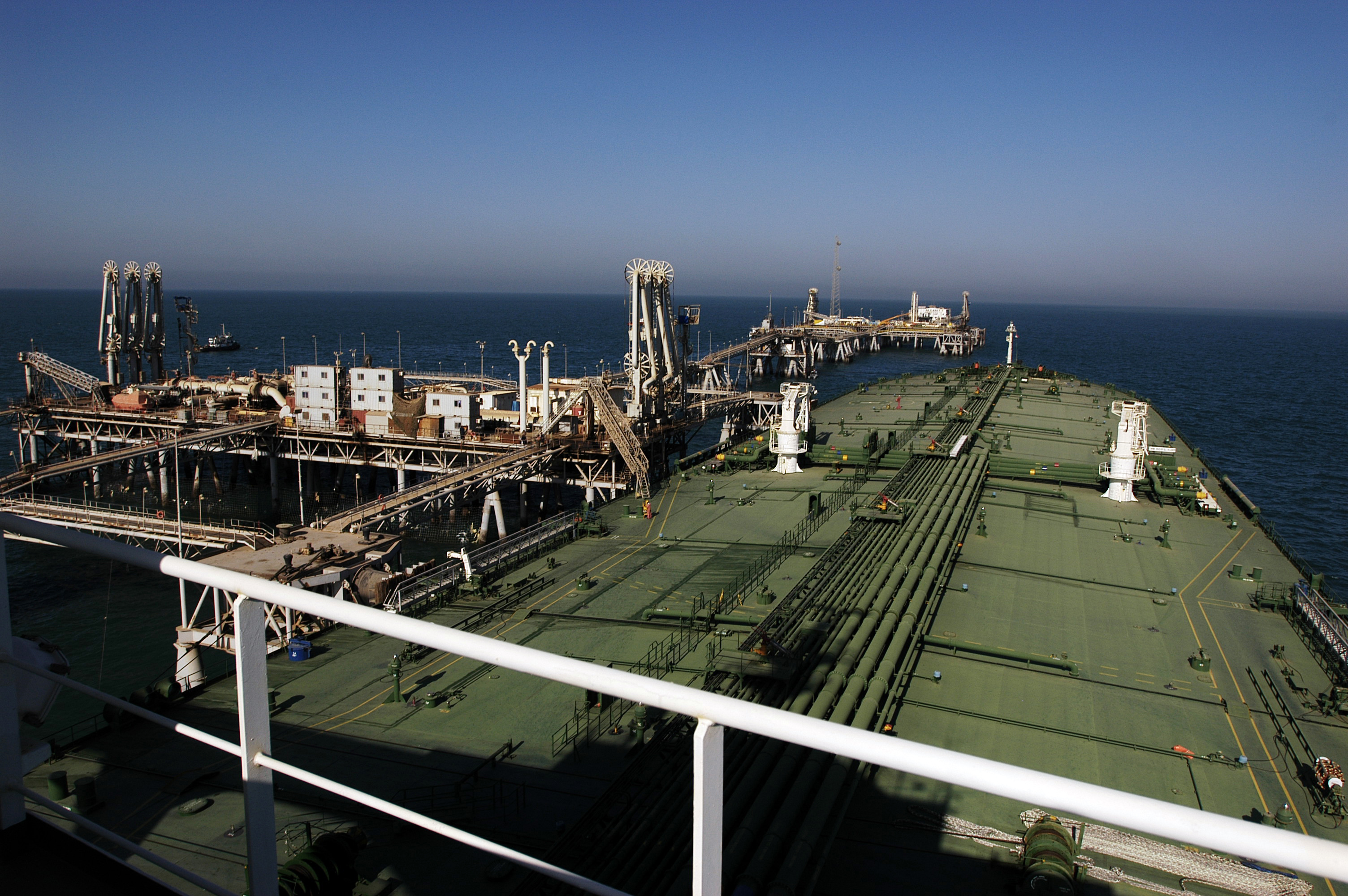
The United States launched a "powerful" attack on Iran in response to an assault on oil tankers in the Persian Gulf [1].
This escalation threatens the stability of one of the world's most critical maritime chokepoints. Any sustained conflict in the region could disrupt global energy supplies and increase the risk of a wider military confrontation.
According to the Iranian Foreign Ministry, the U.S. military conducted a "powerful" strike [1]. The ministry said the action constitutes a violation of a memorandum of understanding between the two countries [1].
Reports indicate the U.S. action was a direct reaction to an attack on oil tankers operating within the Persian Gulf, also known as the Gulf of Hormuz [1]. The specific timing of the U.S. strike was not detailed in the reports, but it follows the maritime incidents that triggered the response [1].
Regional observers said that this event has caused tensions to rise once again between the two nations regarding the Gulf of Hormuz [1]. The strategic importance of the waterway means that military activity in the area often leads to immediate diplomatic friction and potential economic volatility on a global scale.
U.S. officials have not provided further specifics on the scale of the operation or the targets hit. The Iranian government said the strike was a breach of previous agreements [1].
“The United States launched a "powerful" attack on Iran”
The return of direct kinetic conflict between the U.S. and Iran in the Persian Gulf underscores the fragility of regional security agreements. By targeting Iranian assets in response to tanker attacks, the U.S. is signaling a low tolerance for threats to the free flow of commerce in the Strait of Hormuz, while Iran's citation of a memorandum of understanding suggests a breakdown in the diplomatic guardrails intended to prevent total escalation.


'%2F%3E%0A%20%20%20%20%3Crect%20width%3D'1600'%20height%3D'900'%20fill%3D'url(%23v)'%2F%3E%0A%20%20%20%20%3Cg%20opacity%3D'0.08'%20fill%3D'%23ffffff'%3E%0A%20%20%20%20%20%20%3Ccircle%20cx%3D'1420'%20cy%3D'180'%20r%3D'220'%2F%3E%0A%20%20%20%20%20%20%3Ccircle%20cx%3D'1500'%20cy%3D'760'%20r%3D'120'%2F%3E%0A%20%20%20%20%3C%2Fg%3E%0A%20%20%20%20%3Cline%20x1%3D'80'%20y1%3D'172'%20x2%3D'220'%20y2%3D'172'%20stroke%3D'%23ffffff'%20stroke-width%3D'3'%20stroke-opacity%3D'0.6'%2F%3E%0A%20%20%20%20%3Ctext%20x%3D'80'%20y%3D'140'%20font-family%3D'Inter%2C%20-apple-system%2C%20Helvetica%2C%20sans-serif'%20font-weight%3D'700'%20font-size%3D'28'%20fill%3D'%23ffffff'%20letter-spacing%3D'6'%3EHANNA%20%C2%B7%20NEWS%3C%2Ftext%3E%0A%20%20%20%20%3Ctext%20x%3D'80'%20y%3D'230'%20font-family%3D'Inter%2C%20-apple-system%2C%20Helvetica%2C%20sans-serif'%20font-weight%3D'600'%20font-size%3D'40'%20fill%3D'%23ffffffb3'%20letter-spacing%3D'4'%3EWORLD%3C%2Ftext%3E%0A%20%20%20%20%3Ctext%20x%3D'80'%20y%3D'694'%20font-family%3D'Playfair%20Display%2C%20Georgia%2C%20serif'%20font-weight%3D'800'%20font-size%3D'110'%20fill%3D'%23ffffff'%20letter-spacing%3D'-1'%3EAdrian%20Moore%20Wins%20ITF%20World%3C%2Ftext%3E%3Ctext%20x%3D'80'%20y%3D'820'%20font-family%3D'Playfair%20Display%2C%20Georgia%2C%20serif'%20font-weight%3D'800'%20font-size%3D'110'%20fill%3D'%23ffffff'%20letter-spacing%3D'-1'%3EChampionship%20Gold%20in%20US%3C%2Ftext%3E%0A%20%20%20%20%3Ctext%20x%3D'80'%20y%3D'870'%20font-family%3D'Inter%2C%20-apple-system%2C%20Helvetica%2C%20sans-serif'%20font-weight%3D'500'%20font-size%3D'22'%20fill%3D'%23ffffff66'%20letter-spacing%3D'2'%3Enews.hanna-ai.com%3C%2Ftext%3E%0A%20%20%3C%2Fsvg%3E)