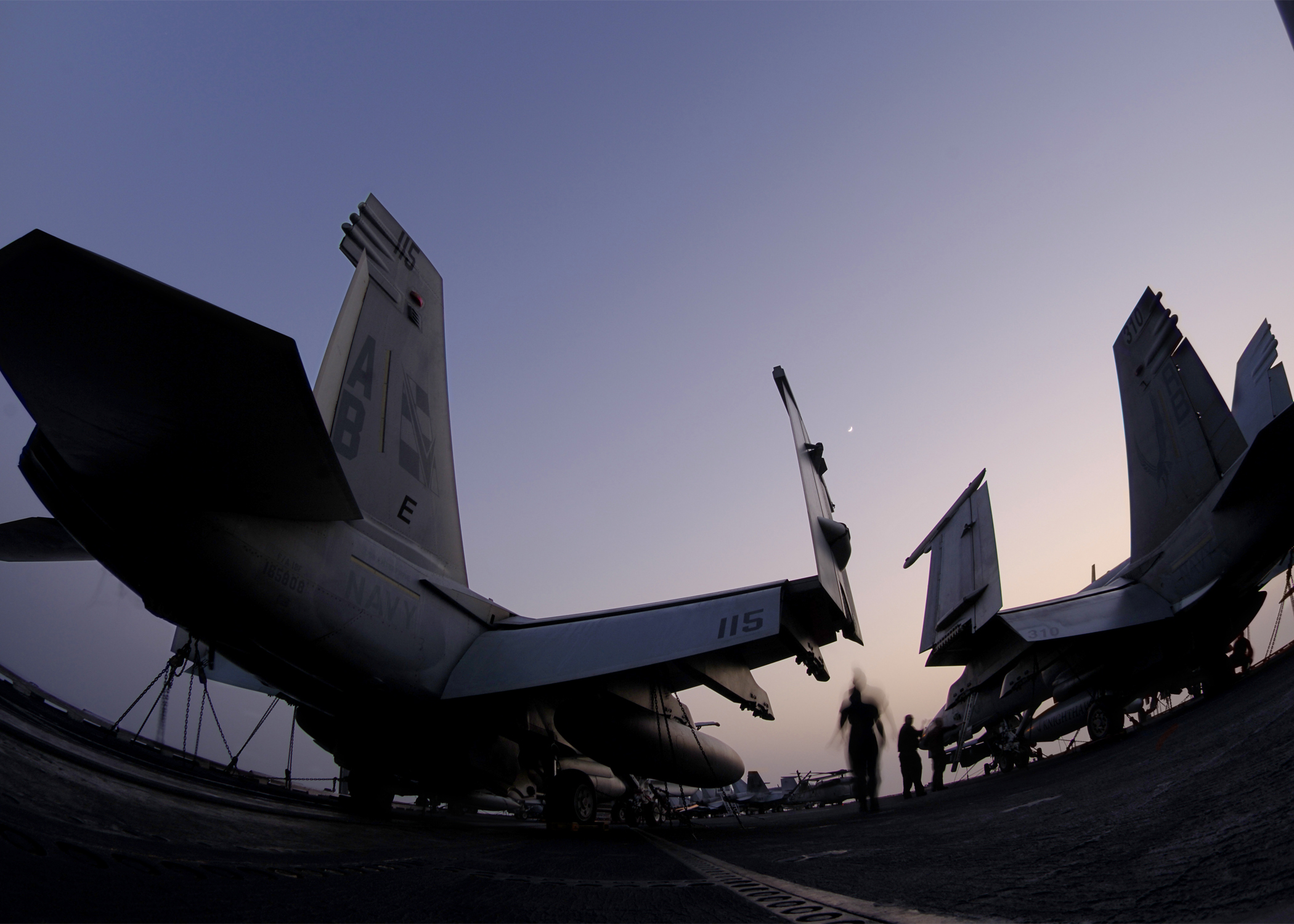
President Donald Trump said the ceasefire with Iran is over following fresh attacks in the Strait of Hormuz [1].
The escalation threatens one of the world's most critical shipping lanes, risking a wider military conflict and destabilizing global energy markets.
The collapse of the truce comes shortly after the two nations signed a Memorandum of Understanding in June 2026 [2] to pause hostilities. Despite that agreement, U.S. officials said Iran resumed attacks in the narrow waterway between Oman and Iran on July 7, 2026 [3].
In response to the strikes, the U.S. government revoked all of Iran's licenses and waivers to sell oil [4]. A U.S. official said the attacks were "wholly unacceptable" [4].
Trump addressed the situation during the NATO summit in Ankara, where he questioned whether the ceasefire remained in place before declaring it finished [5]. The sudden shift in policy follows a period of volatility where U.S. and Iranian officials had previously agreed to pause military strikes, though they noted that shipping risks remained [6].
The Strait of Hormuz remains a flashpoint for geopolitical tension due to its role as a primary transit point for oil. The revocation of oil waivers is intended as a direct economic penalty for the breach of the June agreement [4].
While some reports indicated an attempt to maintain a pause in military strikes ahead of emergency talks in Doha, the U.S. administration's decision to cut off oil sales signals a move toward maximum pressure [6].
“"The ceasefire with Iran is over."”
The rapid transition from a signed Memorandum of Understanding to the revocation of oil waivers demonstrates the fragility of current U.S.-Iran diplomacy. By targeting Iran's primary revenue stream in response to maritime instability, the U.S. is pivoting back to an economic warfare strategy to deter military aggression in the Strait of Hormuz.


