
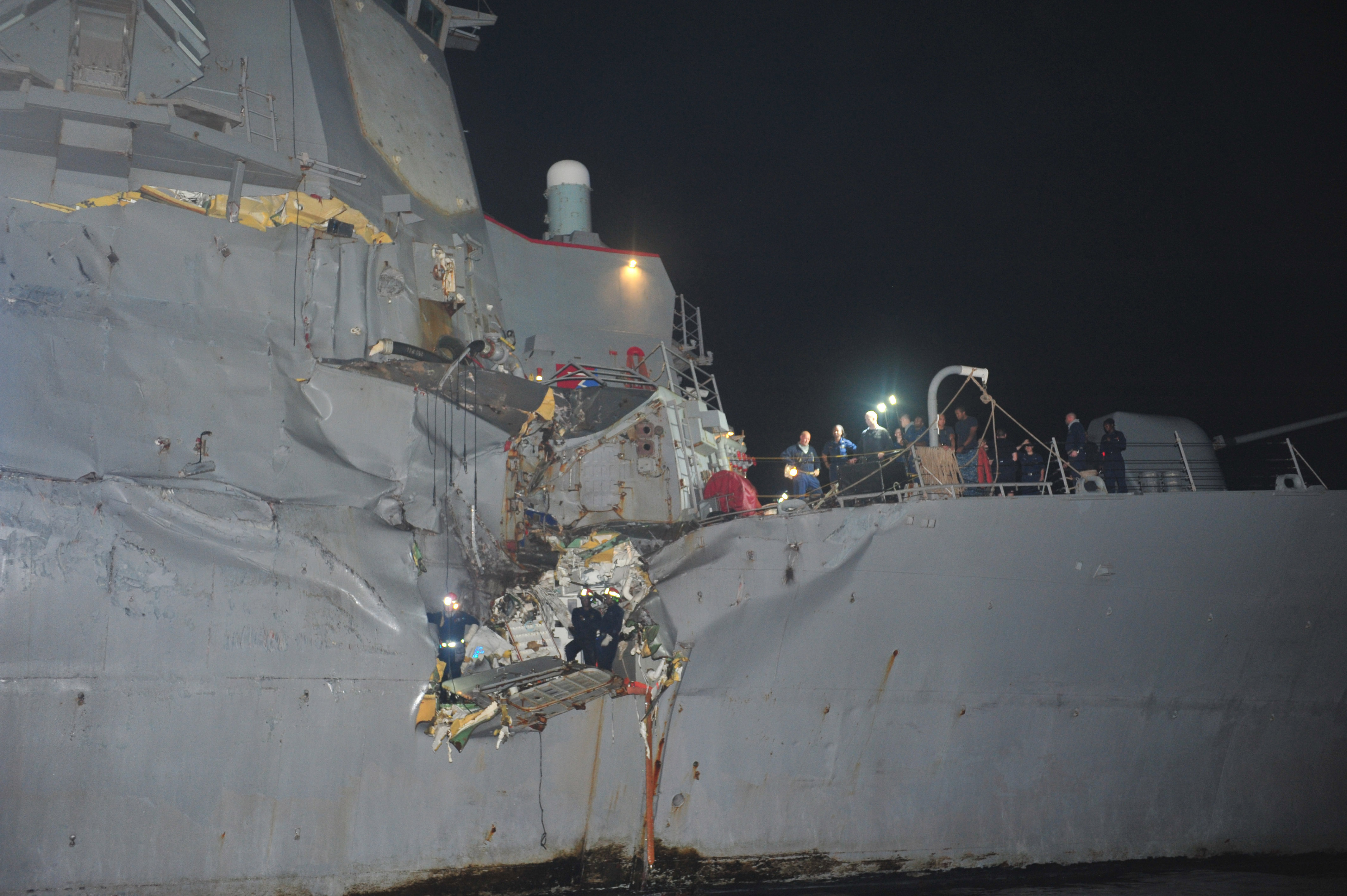
The U.S. and the Islamic Republic of Iran have publicly indicated that a peace agreement to end their war is nearer than ever [1].
This potential resolution follows nearly four months of conflict [2] that has destabilized the Middle East and threatened global energy corridors. A successful deal would halt active hostilities and reduce the risk of a broader regional escalation.
Diplomatic optimism has increased this week, bolstered by mediation efforts from Pakistan and recent high-level statements from both capitals [3]. Despite the progress, military tensions persist in the Strait of Hormuz, where a fresh flare-up has been reported [4].
There are conflicting reports regarding the exact timing of the agreement. Some sources indicate the initial deal is expected to be signed within the next 24 hours [5]. President Donald Trump (R-WY) said the deal would be signed on Sunday, June 13, 2026 [6].
However, other reports suggest the timeline remains uncertain. While President Trump reposted a statement from the Iranian foreign minister, he also said the deal has not yet been signed [6].
Both governments have expressed a desire to end the costly war [3]. The mediation by Pakistani Prime Minister Shehbaz Sharif has been central to bringing the two parties toward a formal conclusion to the hostilities [3].
“Both governments are publicly indicating that a peace agreement to end the Iran‑US war is nearer than ever”
The movement toward a peace deal reflects the unsustainable economic and military costs of a four-month conflict. While the signaling suggests a diplomatic breakthrough, the continued volatility in the Strait of Hormuz indicates that a formal signature is required before regional stability can be guaranteed. The reliance on Pakistani mediation highlights a shift toward third-party diplomacy to bridge the gap between Washington and Tehran.


