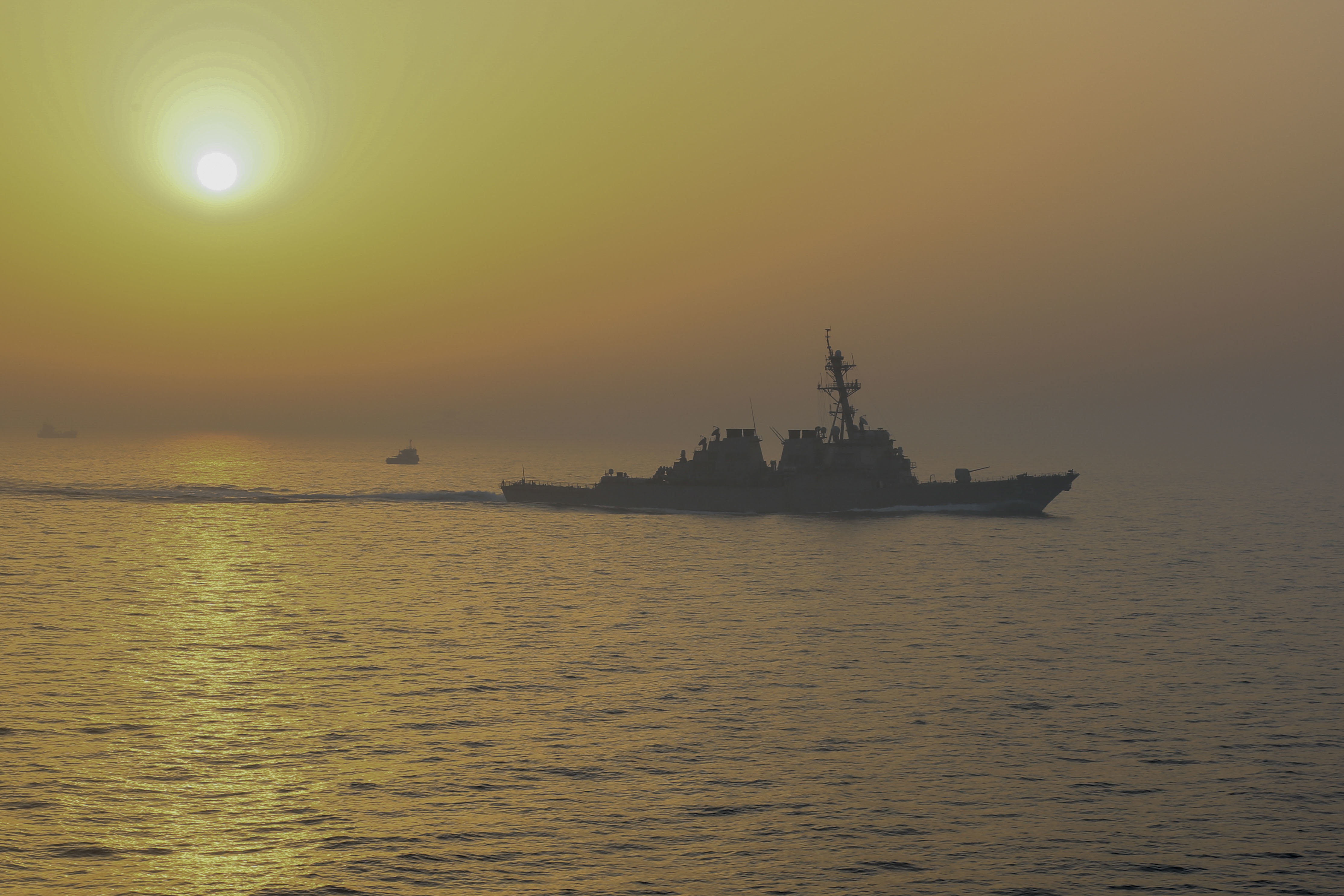
The United States will fully lift its naval blockade of the Strait of Hormuz within 30 days of signing a memorandum of understanding [1].
This move aims to restore regional trade and end hostilities between the U.S. and the Islamic Republic of Iran. The Strait of Hormuz is a critical strategic waterway linking the Persian Gulf to the Gulf of Oman, and its closure has significantly impacted global commercial shipping.
The agreement is structured as a 14-point memorandum [2]. According to the text of the deal, the removal of the naval blockade is intended to reopen the waterway to commercial traffic [2]. White House spokesperson John Kirby said, "The United States will lift the naval blockade in the Strait of Hormuz within 30 days of the memorandum’s signing" [1].
U.S. officials have emphasized that the restoration of shipping is a primary objective of the deal. A U.S. State Department official said, "Reopening the Strait of Hormuz to commercial traffic is a cornerstone of the 14‑point agreement" [2].
While government officials have provided a specific window for the blockade's end, some external observers have questioned the clarity of the document. An analyst at GoodReturns said, "The MoU does not set a specific timeline for lifting the naval blockade" [3]. Despite this contradiction, the U.S. government maintains that the process will be completed within the 30-day timeframe [1].
The 14-point deal represents a broader effort to stabilize the region. By removing military restrictions on the waterway, both nations seek to normalize the flow of energy and goods, a move that affects global oil prices and maritime security.
“The United States will lift the naval blockade in the Strait of Hormuz within 30 days of the memorandum’s signing.”
The reopening of the Strait of Hormuz is a critical step in reducing geopolitical tension in the Persian Gulf. Because a significant portion of the world's petroleum passes through this narrow chokepoint, the transition from a naval blockade to open commercial traffic likely aims to stabilize global energy markets and reduce the risk of direct military confrontation between the U.S. and Iran.


