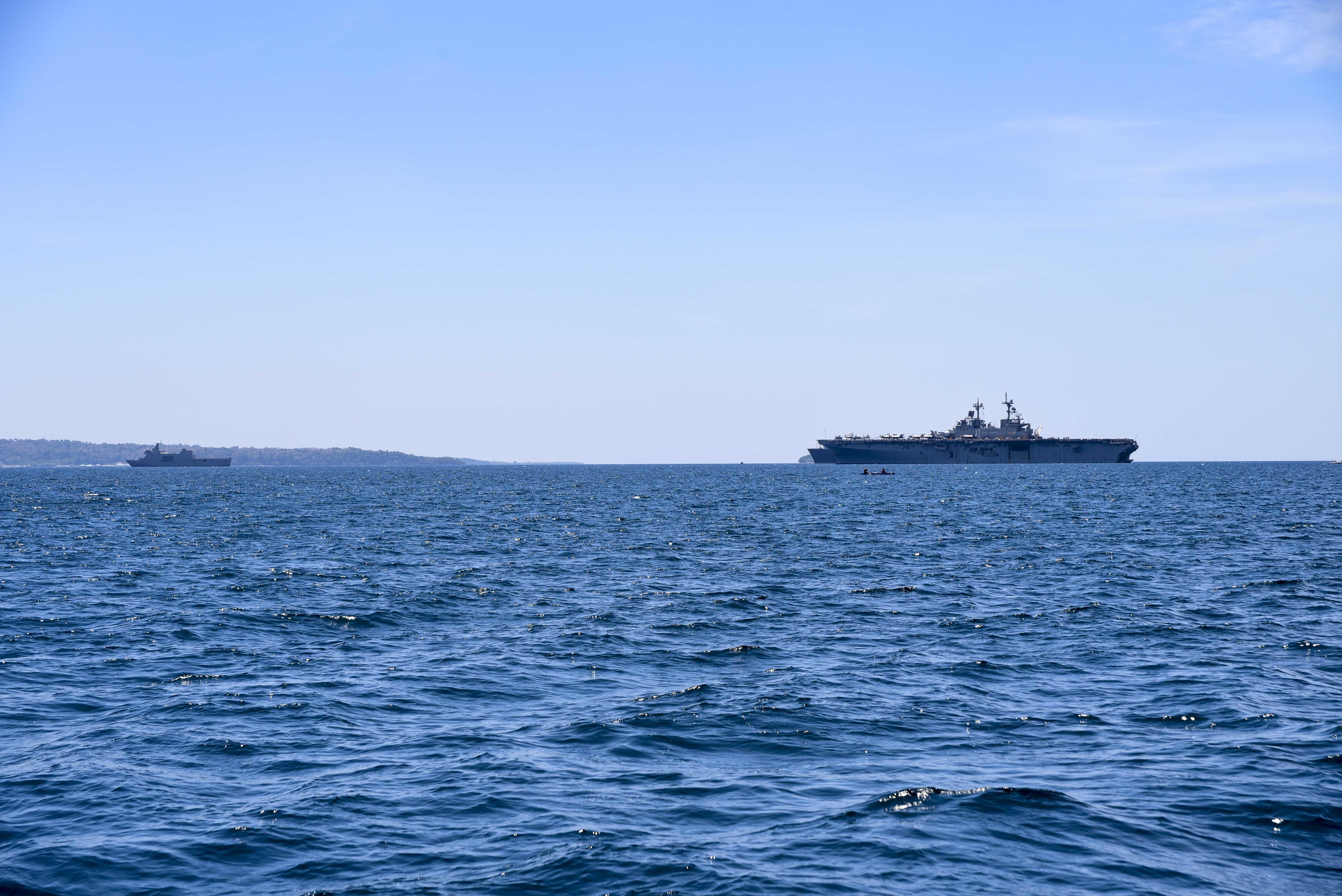
The United States military struck 140 Iranian military targets [1] on Sunday after Iran announced the closure of the Strait of Hormuz.
The escalation threatens global energy markets and maritime security in one of the world's most vital oil transit chokepoints. A prolonged shutdown of the strait could disrupt the flow of crude oil to Asia and Europe, potentially triggering a global economic shock.
Iran announced the closure of the strait on Saturday, July 11 [2]. According to a statement reported from the Iranian foreign minister, the decision was a response to an "unauthorized" vessel being hit [3]. Following this announcement, Iran launched drone attacks against U.S. positions.
U.S. leadership responded on Sunday, July 12, with a new wave of missile and drone assaults [4]. The U.S. accused Iran of targeting a commercial vessel and attacking U.S. facilities. President Donald Trump said Iran was "evil and sick" [5].
U.S. Central Command confirmed the scale of the retaliation, saying it hit 140 targets within Iran [1]. An unspecified U.S. official said, "We're sweeping the strait" [6].
The conflict has centered on the Strait of Hormuz and affected surrounding Gulf states, including Oman, Kuwait, and Bahrain [7]. While Iranian officials described the closure as a defensive measure and sought safe passage for certain ships, the U.S. said the strikes were necessary retaliation for Iranian aggression against shipping and military assets [8].
Both nations have engaged in a rapid exchange of fire over the last 48 hours. The U.S. continues to monitor the region as naval aircraft maintain presence over the Gulf [7].
“"We're sweeping the strait."”
The closure of the Strait of Hormuz represents a significant escalation in U.S.-Iran tensions, moving from proxy conflicts to direct kinetic engagement. By targeting 140 military sites, the U.S. is attempting to degrade Iran's ability to project power over the waterway. However, the use of the strait as a geopolitical lever by Tehran creates immediate volatility for global oil prices and tests the resolve of Gulf Cooperation Council allies.