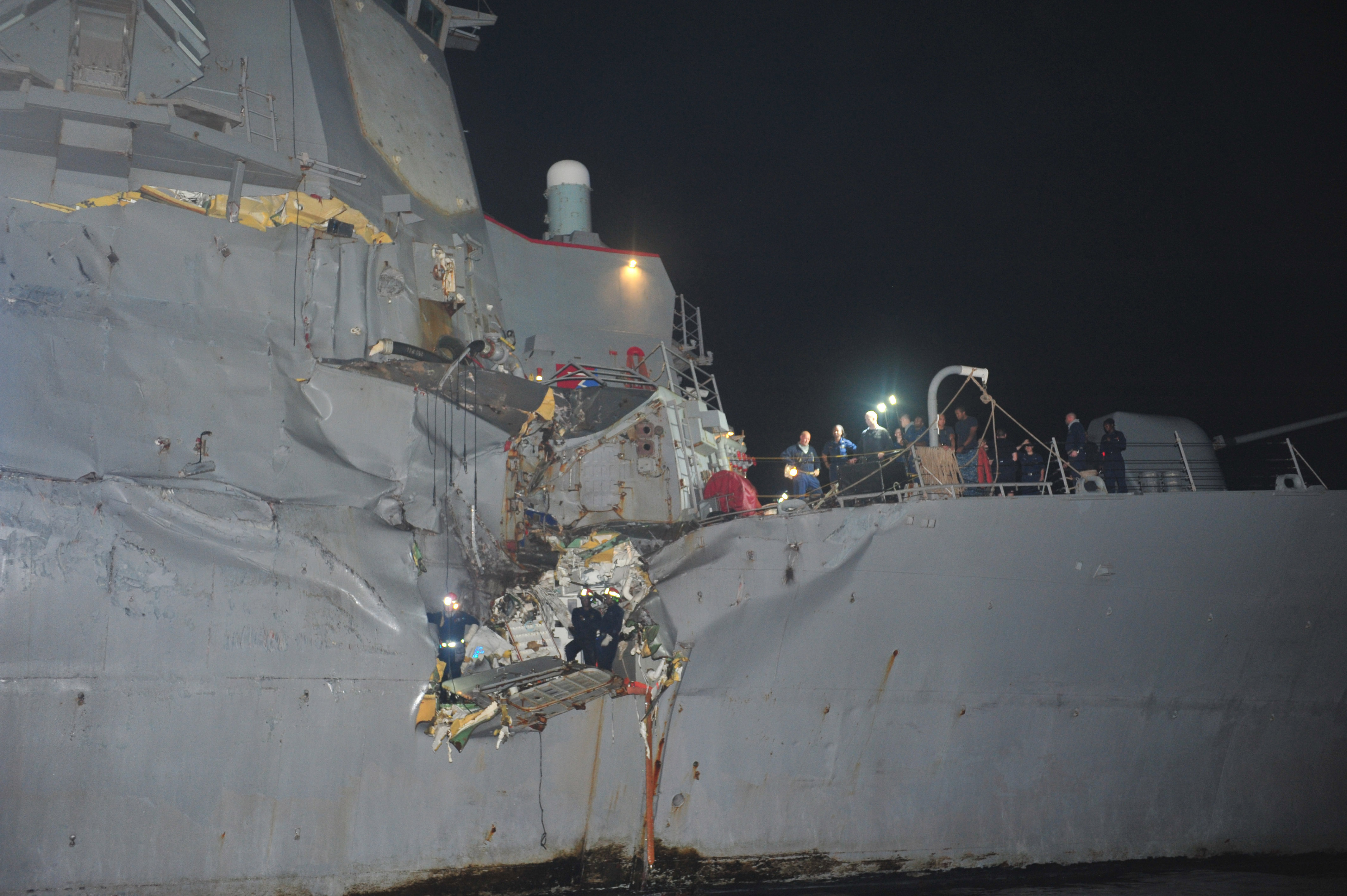
The United States carried out airstrikes on approximately 140 Iranian sites [1] after Iran announced the closure of the Strait of Hormuz [2].
This escalation threatens the stability of global energy markets and the security of several Gulf nations, as the Strait of Hormuz is a critical transit point for oil exports.
The U.S. military action followed a declaration by Iran that it had closed the waterway [2]. Iranian officials said the decision came after an incident in which Iran fired a warning shot at a vessel it deemed to be on an unauthorized route [3, 4].
Iran responded to the airstrikes by launching missiles and drones at U.S. bases [1, 5]. Reports indicate that Tehran also struck the United Arab Emirates and Qatar [1], though other reports suggest the retaliation placed Kuwait, Qatar, and Bahrain on high alert [5].
Iranian Parliament Speaker Mohammad Bagher Ghalibaf said, "The era of 'one-sided deals' is over, and those who fail to respect Iran will face consequences."
The U.S. strikes are described as some of the heaviest in a month [5]. The region remains on edge as military forces from both nations continue to engage in the Gulf waters and surrounding territories [5].
“The United States carried out airstrikes on approximately 140 Iranian sites.”
The closure of the Strait of Hormuz combined with direct military strikes marks a significant escalation in regional hostilities. By targeting both U.S. assets and neighboring Gulf states, Iran is signaling a willingness to disrupt international shipping and challenge the security architecture of the Middle East, potentially forcing a broader geopolitical realignment or an increase in naval presence to ensure the flow of global energy.


