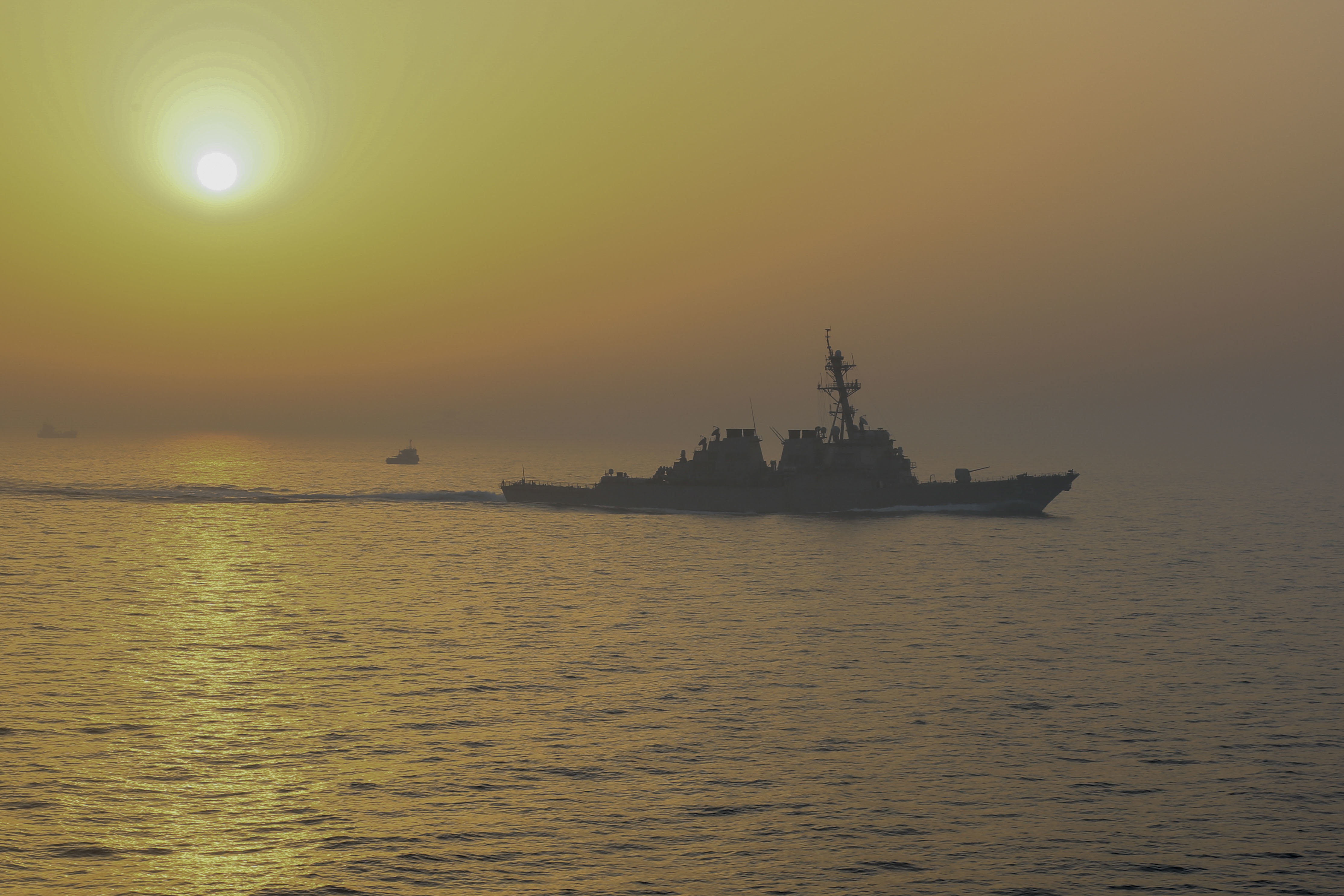
Iran's successful blockage of the Strait of Hormuz has sparked a global debate over the military superpower status of the United States.
This development matters because the U.S. has long positioned itself as the unrivaled protector of international shipping lanes. If a single nation can effectively shut down a critical maritime artery, the credibility of American global trade security is undermined.
The conflict between the U.S. and Iran has now entered its fourth month [1]. While the U.S. maintains a military capacity that remains unrivaled, the inability to keep the Strait of Hormuz open suggests a gap between theoretical power and operational control.
Political tensions within the U.S. continue to complicate the response. On June 5, Donald Trump said, "If Iran kills US troops, it would be a good reason to restart war."
Other administration officials have expressed confidence in the military's readiness. On June 4, Hegseth said, "The United States is more than capable of resuming the Iran war."
Despite these assertions, the strategic reality in the Gulf remains tense. The Strait of Hormuz is a vital corridor for global energy and commerce, making its closure a significant blow to the image of U.S. hegemony.
Observers are now weighing whether this stalemate indicates a shift in the global order. The U.S. House recently voted on measures to end the war, reflecting a domestic divide over the costs of maintaining a superpower presence in the region.
“The conflict between the U.S. and Iran has now entered its fourth month.”
The situation in the Strait of Hormuz represents a pivot from traditional military dominance to a test of 'deterrence failure.' While the U.S. possesses superior firepower, the ability of Iran to disrupt global trade highlights a vulnerability in the American strategy of maritime security. This suggests that superpower status is increasingly measured not by total force, but by the ability to prevent regional actors from leveraging critical geographic chokepoints.


