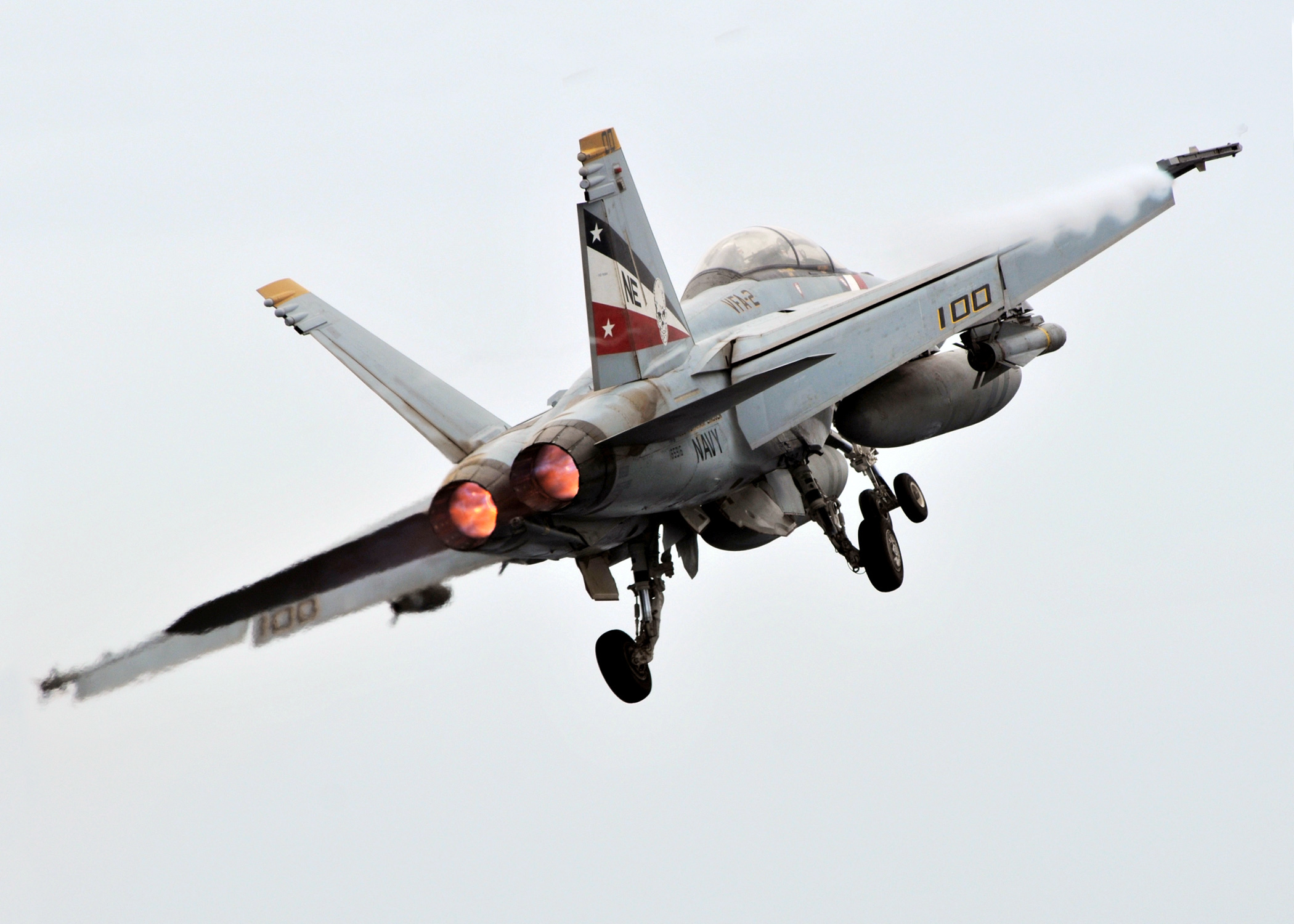
The U.S. and Israel launched airstrikes against targets inside Iran while Iran attacked a desalination plant and a refinery in Kuwait on Friday.
These strikes mark a significant escalation in the Gulf region following the end of a cease-fire agreement. The attacks threaten the stability of energy infrastructure and water security in Kuwait while intensifying the direct military confrontation between Tehran and Washington.
Iran's operations targeted critical infrastructure in Kuwait, where a refinery was set ablaze and a desalination plant sustained damage [1, 2]. These actions come as the regional conflict enters its fifth week [1].
In response to the volatility, a parliamentary security official said, "Any attack on our vessels will trigger a strong and decisive Iranian response against American ships and bases" [2].
The U.S. and Israel conducted coordinated strikes on targets within Iranian borders [1, 2]. The U.S. has threatened further action as the two nations exchange retaliatory blows. The current wave of violence follows a period of failed diplomacy and the collapse of a previous truce [3, 2].
Military assets in the region remain on high alert as both sides vow to continue operations. The strikes in Kuwait represent a widening of the geographic scope of the conflict, moving beyond direct Iran-U.S. engagements to include neighboring Gulf states [1, 2].
“Iran struck a desalination plant and refinery in Kuwait while the United States and Israel bombed targets in Iran.”
The transition from targeted strikes to the hitting of civilian and industrial infrastructure, such as desalination plants, indicates a shift toward total warfare in the Gulf. By targeting Kuwait, Iran is expanding the conflict's theater, which may force other Gulf Cooperation Council members to increase their military alignment with the U.S. to protect critical energy and water assets.