
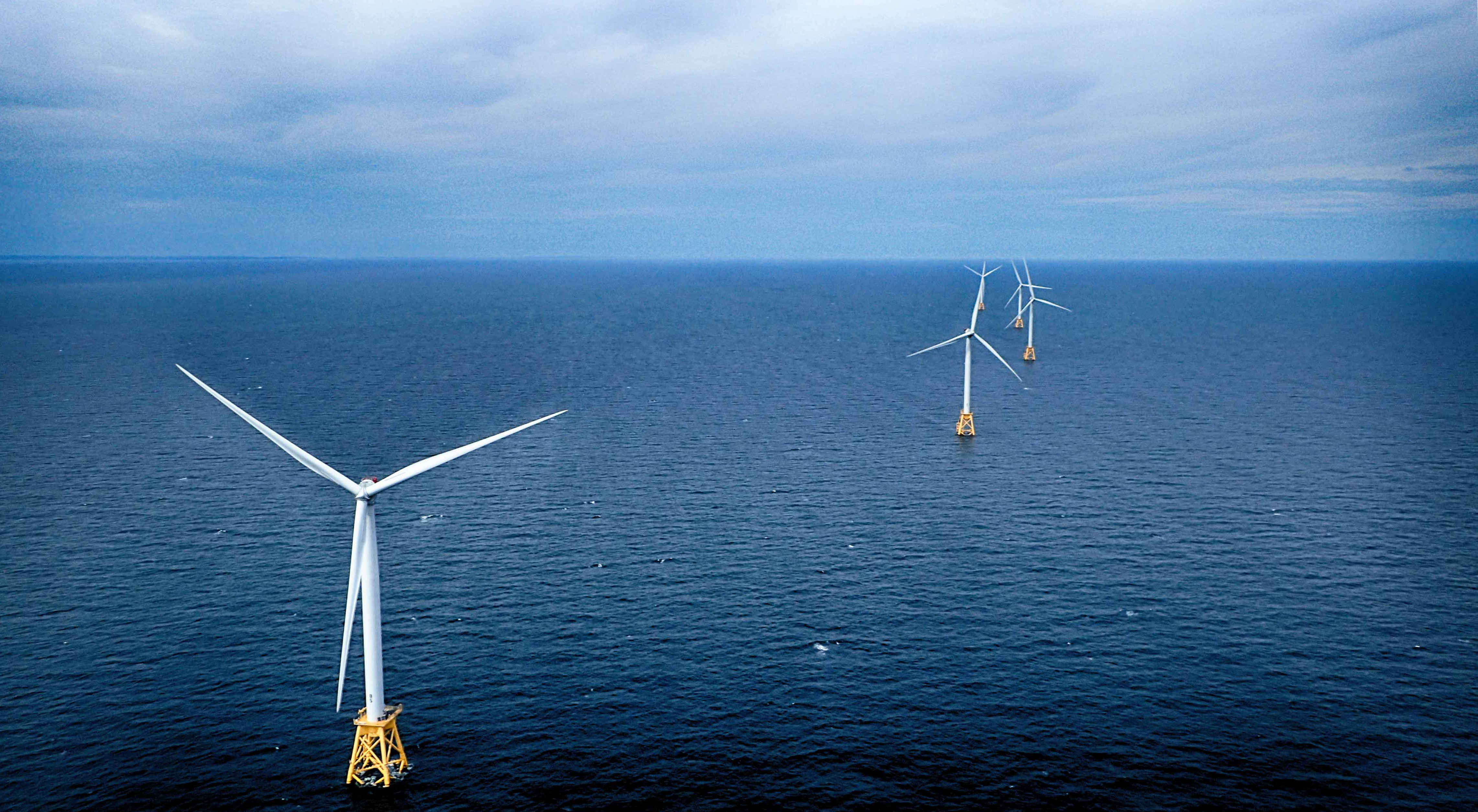
Offshore wind projects are expanding along U.S. coasts despite opposition from Donald Trump and his administration [1, 2].
This trend signifies a growing tension between federal energy priorities and state-level climate goals. While the White House may prioritize oil and gas production, the momentum of the clean-energy sector is increasingly driven by market forces and local mandates that are difficult to reverse [1, 2].
Development is currently multiplying across the Atlantic, Gulf, and Pacific coasts [1]. These regions are seeing a surge in infrastructure aimed at harnessing wind energy to meet power demands and reduce carbon emissions. The expansion persists even as the return of Donald Trump to the White House is expected to create headwinds for the industry [1, 2].
Analysts said that the administration's approach will likely slow the pace of the wind boom rather than stop it entirely [2]. The shift toward offshore wind is supported by state-level policies that create long-term legal, and financial commitments for developers [1]. Because these projects often involve complex contracts and state-mandated renewable energy targets, a federal shift in preference toward fossil fuels does not immediately nullify existing progress.
Industry developers are navigating a landscape where the federal government's preference for traditional energy sources clashes with the economic reality of wind energy's falling costs [1]. The persistence of these projects indicates that the transition to clean energy has reached a point of critical mass in several coastal states, making a total reversal unlikely despite political opposition [1, 2].
“Offshore wind projects are multiplying along U.S. coasts despite Trump’s opposition”
The resilience of the offshore wind sector suggests that U.S. energy transition is no longer solely dependent on federal subsidies or executive approval. By anchoring growth in state laws and market viability, the clean-energy industry has created a decentralized momentum that can withstand shifts in presidential administrations, though federal regulatory hurdles may still delay individual project timelines.


