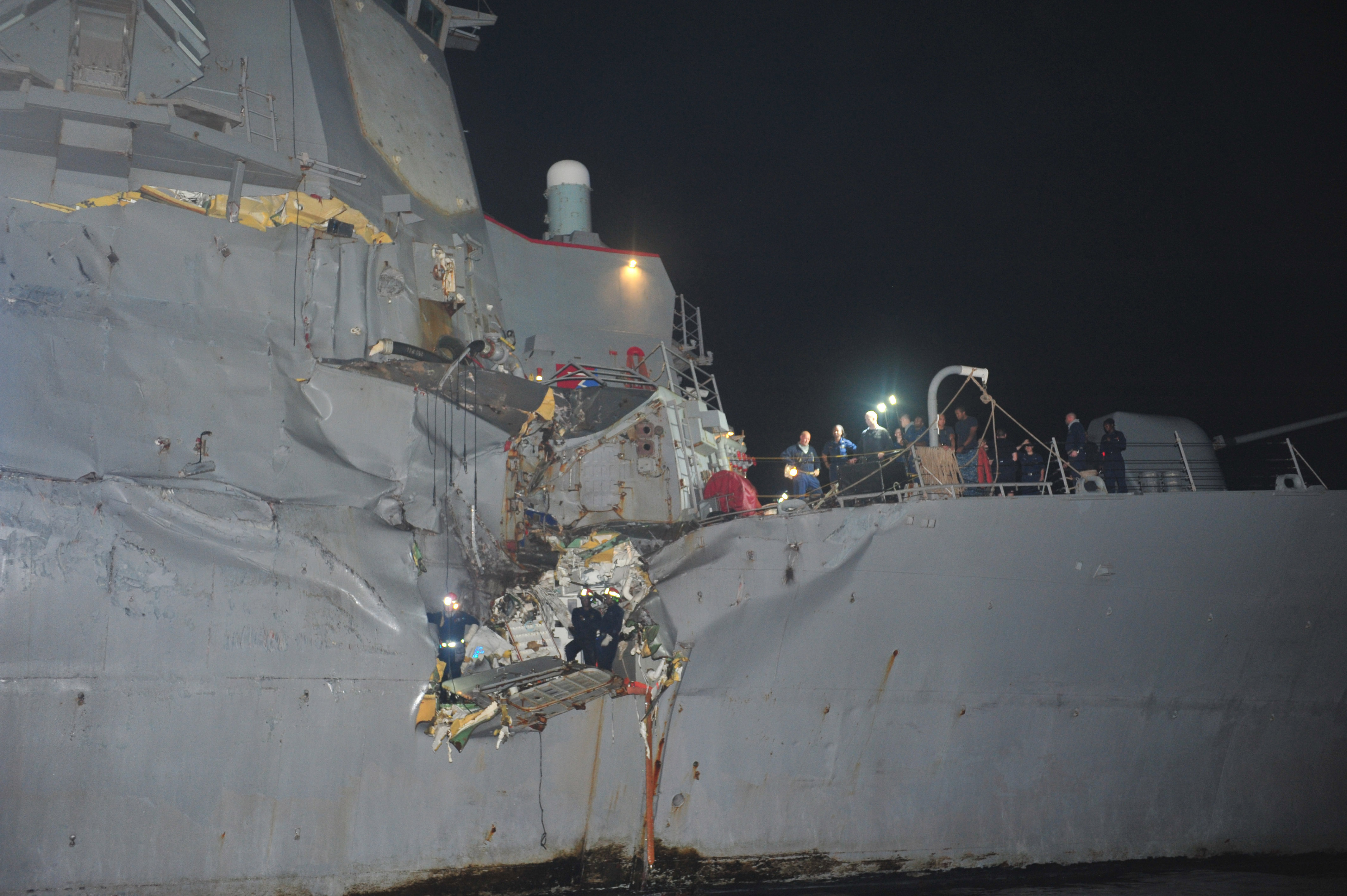
The United States military launched strikes against dozens [1] of targets in Iran on Wednesday after President Donald Trump declared an interim ceasefire over.
These attacks signal a rapid escalation in regional tensions and threaten the stability of global energy markets by targeting the strategic Strait of Hormuz. The move follows a period of fragile peace that the administration now says has collapsed.
President Donald Trump said the operations were a direct response to previous aggression. "The strikes are in retribution for yesterday's bombing of ships by Iran," Trump said.
The U.S. military targeted multiple sites inside Iran and the Persian Gulf. A U.S. military spokesperson said, "We are launching fresh strikes on Iran aimed at keeping the critical Strait of Hormuz open to traffic."
The strikes occurred hours after the president announced that the interim accord intended to end the war was no longer in effect. The administration said the military action was retaliation for Iran's bombing of merchant vessels.
While the U.S. attributes the ship attacks to Tehran, regional reports indicate that Iran has not claimed responsibility for the bombing. This contradiction persists as the U.S. prepares for further action.
President Trump said the U.S. is preparing for more strikes if the situation does not stabilize. The International Business Times said the threat of attacks to ships in the Strait of Hormuz rises again after the ceasefire ended.
“"The strikes are in retribution for yesterday's bombing of ships by Iran."”
The collapse of the interim ceasefire and the subsequent U.S. strikes place the Strait of Hormuz, a primary artery for global oil shipments, at high risk of disruption. By shifting from a diplomatic accord back to kinetic military action, the U.S. is prioritizing the forced openness of the waterway over the previous peace framework, which may trigger a wider cycle of retaliation in the Persian Gulf.