
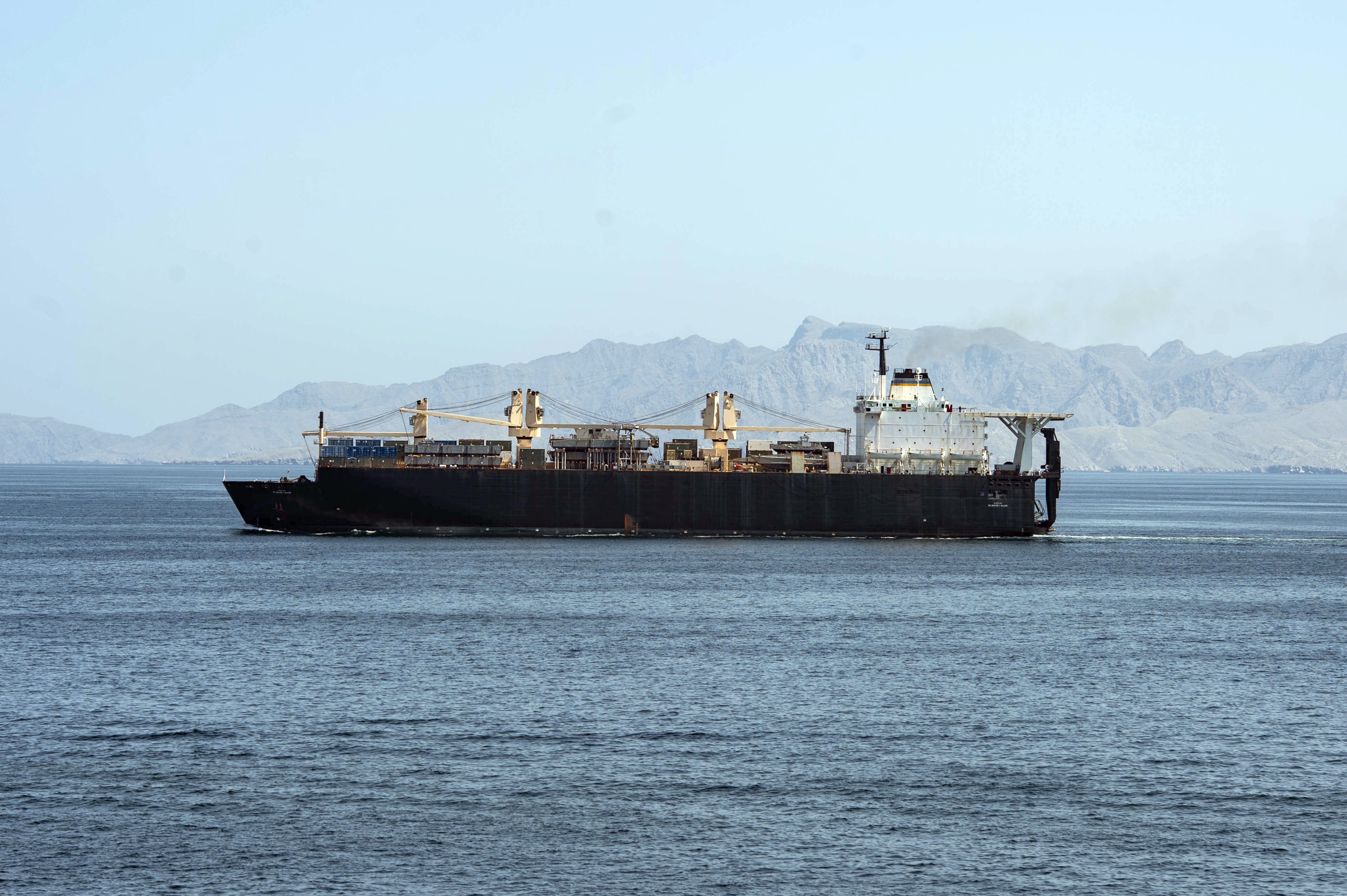
U.S. military forces launched self-defense strikes against Iranian air-defense and radar installations near the Strait of Hormuz this week [1, 2].
These operations target Iran's ability to control one of the world's most critical maritime chokepoints. Any escalation in this region threatens global energy supplies and increases the risk of a broader conflict between the U.S. and Iran.
U.S. Central Command and other armed forces conducted the strikes in eastern Hormozgan province [1, 2]. Reports indicate explosions were heard in the region, including on Qeshm Island [3, 2]. The operations focused on areas near the Bandar Abbas port, where the U.S. sought to neutralize military threats to its personnel and maritime traffic [2, 5, 6].
There are conflicting reports regarding the immediate catalyst for the attacks. One report said the strikes were a response to the downing of a U.S. Army Apache helicopter [3]. Other reports said the actions were a general response to military threats against U.S. forces and commercial shipping [5, 2].
These strikes are part of a continuing series of engagements that began in early May 2026 [2, 7]. The military activity has persisted into mid-June, marking a period of heightened tension in the Persian Gulf [7].
The conflict has already resulted in civilian casualties. Three Indian tanker crew members were killed in a U.S. strike at sea [8].
U.S. officials said the strikes were intended to degrade Iranian capabilities to disrupt shipping lanes. The focus remains on the Strait of Hormuz, where the U.S. maintains a presence to ensure the free flow of commerce [7].
“U.S. military forces launched self-defense strikes against Iranian air-defense and radar installations”
The targeting of radar and air-defense systems suggests a U.S. strategy to establish localized air superiority and reduce Iran's surveillance capabilities. By focusing on Qeshm Island and Bandar Abbas, the U.S. is directly challenging Iran's operational grip on the Strait of Hormuz, which could lead to further Iranian attempts to disrupt oil exports to provoke a diplomatic resolution or a larger military confrontation.


'%2F%3E%0A%20%20%20%20%3Crect%20width%3D'1600'%20height%3D'900'%20fill%3D'url(%23v)'%2F%3E%0A%20%20%20%20%3Cg%20opacity%3D'0.08'%20fill%3D'%23ffffff'%3E%0A%20%20%20%20%20%20%3Ccircle%20cx%3D'1420'%20cy%3D'180'%20r%3D'220'%2F%3E%0A%20%20%20%20%20%20%3Ccircle%20cx%3D'1500'%20cy%3D'760'%20r%3D'120'%2F%3E%0A%20%20%20%20%3C%2Fg%3E%0A%20%20%20%20%3Cline%20x1%3D'80'%20y1%3D'172'%20x2%3D'220'%20y2%3D'172'%20stroke%3D'%23ffffff'%20stroke-width%3D'3'%20stroke-opacity%3D'0.6'%2F%3E%0A%20%20%20%20%3Ctext%20x%3D'80'%20y%3D'140'%20font-family%3D'Inter%2C%20-apple-system%2C%20Helvetica%2C%20sans-serif'%20font-weight%3D'700'%20font-size%3D'28'%20fill%3D'%23ffffff'%20letter-spacing%3D'6'%3EHANNA%20%C2%B7%20NEWS%3C%2Ftext%3E%0A%20%20%20%20%3Ctext%20x%3D'80'%20y%3D'230'%20font-family%3D'Inter%2C%20-apple-system%2C%20Helvetica%2C%20sans-serif'%20font-weight%3D'600'%20font-size%3D'40'%20fill%3D'%23ffffffb3'%20letter-spacing%3D'4'%3EWORLD%3C%2Ftext%3E%0A%20%20%20%20%3Ctext%20x%3D'80'%20y%3D'694'%20font-family%3D'Playfair%20Display%2C%20Georgia%2C%20serif'%20font-weight%3D'800'%20font-size%3D'110'%20fill%3D'%23ffffff'%20letter-spacing%3D'-1'%3EHooters%20Rebrands%20as%3C%2Ftext%3E%3Ctext%20x%3D'80'%20y%3D'820'%20font-family%3D'Playfair%20Display%2C%20Georgia%2C%20serif'%20font-weight%3D'800'%20font-size%3D'110'%20fill%3D'%23ffffff'%20letter-spacing%3D'-1'%3EFamily-Friendly%20Chain%20in%20US%3C%2Ftext%3E%0A%20%20%20%20%3Ctext%20x%3D'80'%20y%3D'870'%20font-family%3D'Inter%2C%20-apple-system%2C%20Helvetica%2C%20sans-serif'%20font-weight%3D'500'%20font-size%3D'22'%20fill%3D'%23ffffff66'%20letter-spacing%3D'2'%3Enews.hanna-ai.com%3C%2Ftext%3E%0A%20%20%3C%2Fsvg%3E)
