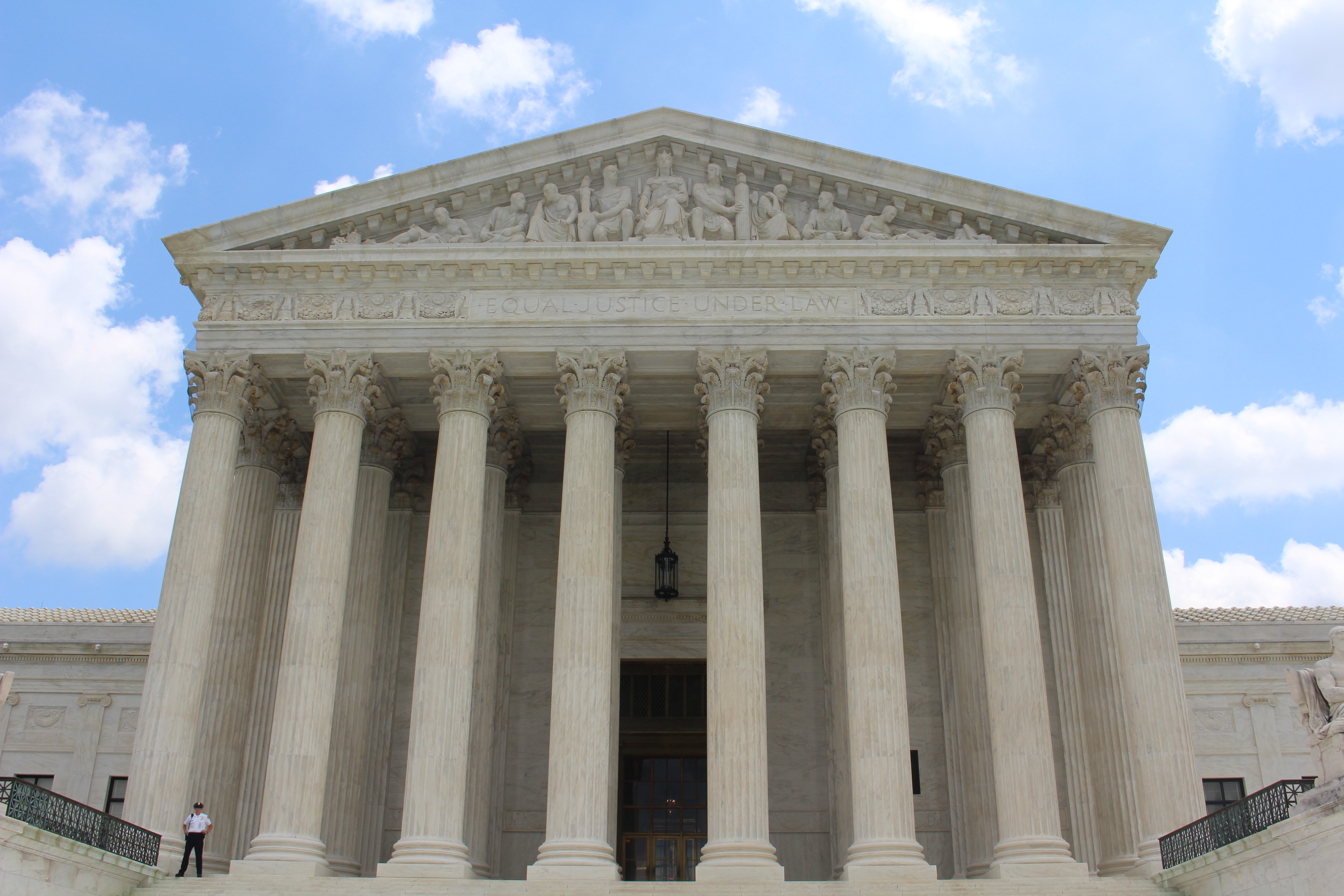
The U.S. Supreme Court rejected a petition filed by former President Donald Trump to restrict birthright citizenship on June 30, 2026.
The ruling preserves a long-standing interpretation of American citizenship, ensuring that the legal status of millions of people born in the U.S. remains unchanged. Any shift in this policy would have fundamentally altered the legal landscape for immigrant families, and the children born to them on American soil.
In a six-three decision [1], the Court ruled that all persons born on U.S. soil are citizens. The justices found that the proposed restrictions were unconstitutional under the 14th Amendment [2], which guarantees citizenship for anyone born in the United States [3].
The legal challenge sought to limit the automatic granting of citizenship to children born in the U.S. to parents who are not citizens or legal residents. However, the majority of the Court maintained that the text of the Constitution provides a clear and broad mandate for birthright citizenship, regardless of the parents' legal status [2].
This decision settles a high-profile legal battle that has seen varying interpretations across different judicial levels. By affirming the 14th Amendment's protections, the Court has blocked the implementation of an order that would have restricted the citizenship rights of those born within U.S. borders [3].
“The Court ruled 6-3 that all persons born on U.S. soil are citizens.”
This ruling reinforces the principle of jus soli, or right of the soil, as a cornerstone of U.S. law. By upholding the 14th Amendment's broad application, the Supreme Court has prevented a significant shift in immigration policy that would have created a class of people born in the U.S. who are ineligible for citizenship, thereby maintaining legal stability for millions of residents.


