
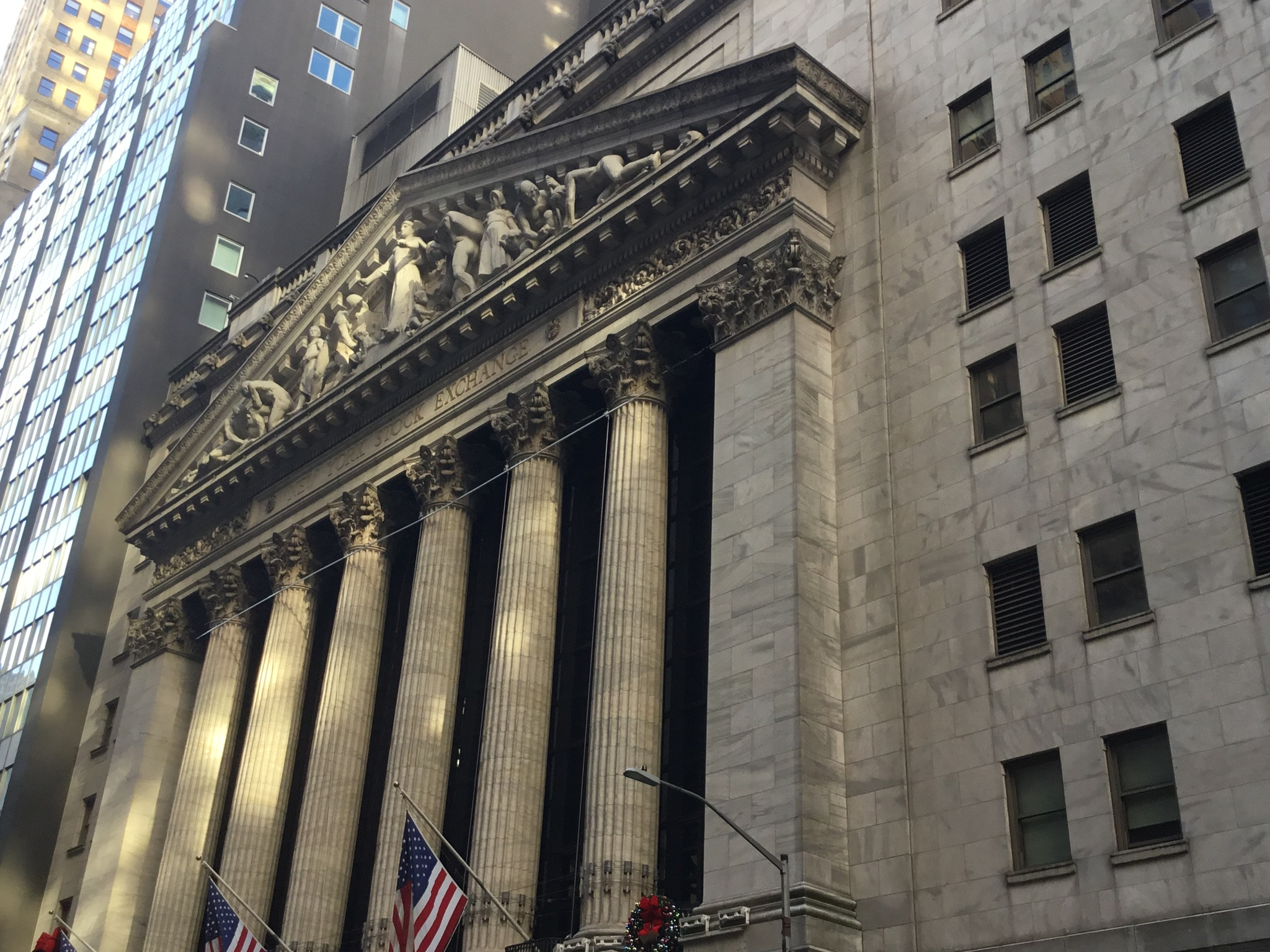
Wall Street banks are stress-testing private-credit portfolios as the non-bank lending industry faces rising defaults and AI-driven outflows [1].
This monitoring occurs as artificial intelligence disrupts traditional business models, threatening the stability of a sector that operates outside the strict regulations of commercial banking. Because these loans are often less transparent than public debt, volatility in the private market can create hidden risks for the broader financial system.
The non-bank private-credit industry has grown to a size of $3.5 trillion [3]. Recent data indicates that this sector is experiencing falling income and an increase in defaults, partly driven by the rapid shift toward AI technologies [1].
Three major banks have disclosed a combined exposure to private credit totaling $108 billion [2]. These institutions are now closely monitoring their holdings to determine if the current instability requires a shift in risk management strategies.
JPMorgan CEO Jamie Dimon said, "Private credit is not a systemic issue because of its relative size" [1]. Despite the stress-testing, Dimon said that the current scale of the risk does not threaten the global economy.
Other industry leaders have expressed similar confidence in their current positions. One unnamed Wall Street executive said, "We are comfortable with our exposure to private credit" [2].
These efforts to quantify risk come as the industry grapples with fund outflows. Investors are moving capital away from certain private credit vehicles as AI-driven disruption alters the profitability of the companies borrowing these funds [1].
“Private credit is not a systemic issue because of its relative size.”
The shift toward stress-testing suggests that while executives publicly maintain confidence, there is internal concern regarding how AI is accelerating the obsolescence of some corporate borrowers. If the $3.5 trillion private credit market experiences a sharp increase in defaults, the $108 billion exposure held by major banks could lead to significant write-downs, even if the risk remains below the threshold of a systemic crisis.


