
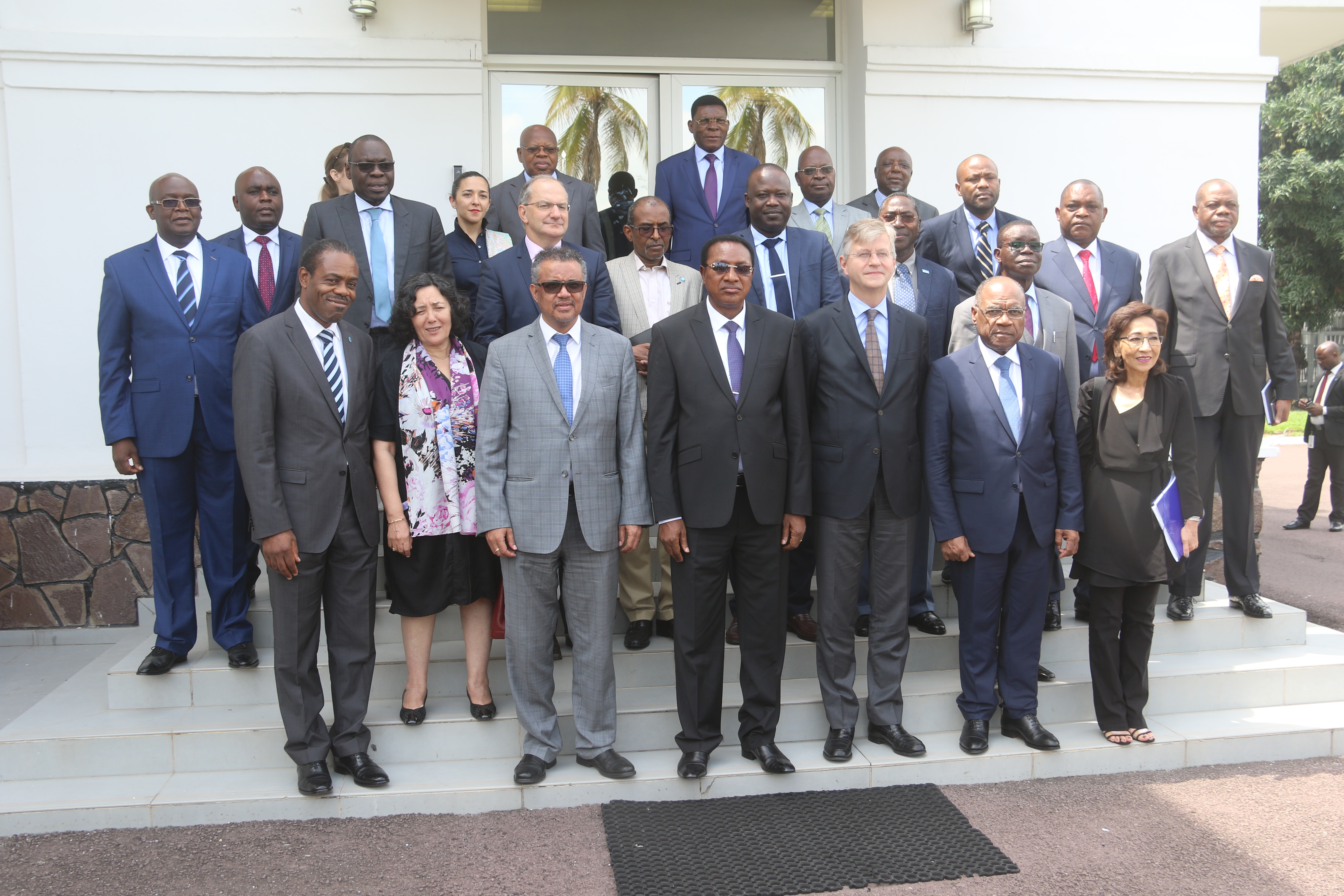
The World Health Organization declared the Ebola outbreak in the Democratic Republic of Congo and Uganda a Public Health Emergency of International Concern [1].
This designation is critical because it triggers international legal obligations and coordinates a global response to prevent the virus from spreading beyond central Africa. The PHEIC status allows for the mobilization of resources and the implementation of emergency health protocols across borders.
The declaration occurred on May 17, 2026 [1]. The WHO said that the outbreak posed a significant risk of wider international spread after the first case was identified in Uganda [2]. This cross-border movement met the specific criteria required for the agency to designate the situation as a PHEIC [2].
Speed of response has been a primary focus for health officials. The WHO said the emergency designation was issued within 48 hours [3] of laboratory confirmation of the virus. This rapid timeline reflects the urgency of containing the virus before it reaches more densely populated regions or transit hubs.
Currently, the outbreak has affected two countries [1] — the Democratic Republic of Congo and Uganda. Health authorities are working to isolate cases and track contacts in these regions to mitigate further transmission. The WHO continues to monitor the situation as it coordinates with local governments in central Africa to manage the crisis.
While some reports have mentioned West Africa, the WHO's emergency designation specifically targets the current outbreak in central Africa [1]. The organization is prioritizing the deployment of medical teams and the distribution of vaccines to the affected areas to halt the progression of the disease.
“The World Health Organization declared the Ebola outbreak in the Democratic Republic of Congo and Uganda a Public Health Emergency of International Concern.”
The PHEIC designation is the highest level of alarm the WHO can sound, signaling that an event constitutes a public health risk to other states. By acting within 48 hours of confirmation, the WHO is attempting to prevent a regional crisis from becoming a global pandemic, focusing on the volatile border regions between the Democratic Republic of Congo and Uganda.


