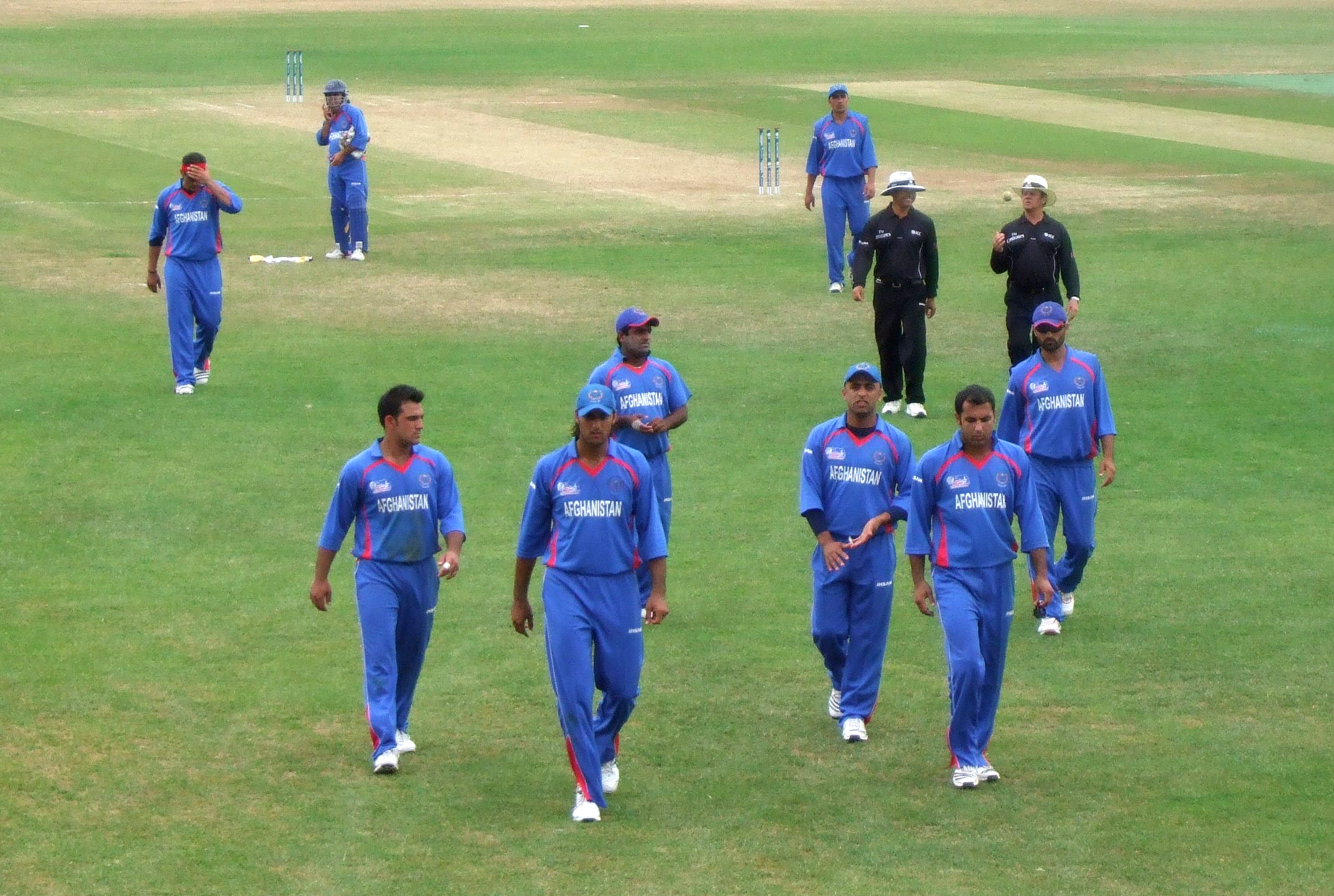
Afghanistan A defeated India A by four runs using the Duckworth-Lewis-Stern method on Thursday [1].
The result marks a significant upset in the second match of the Tri-Nation A One-Day Series 2026, demonstrating Afghanistan's growing competitiveness in the A-team format.
The contest took place at the Rangiri Dambulla International Stadium in Dambulla, Sri Lanka [2]. India A posted a total of 349 runs for the loss of nine wickets in 49 overs [1]. The innings showcased strong batting depth, but the match was plagued by weather interruptions.
Rain caused significant delays, forcing officials to implement the DLS method to calculate a revised target for the chasing side [3]. The weather-adjusted total shifted the dynamics of the game, allowing Afghanistan A to maintain the necessary run rate to overtake the revised mark.
Afghanistan A successfully chased down the adjusted total to secure the win by four runs [1]. The narrow margin highlights how critical the DLS calculations are in rain-affected limited-overs cricket, where a few runs can determine the outcome of a match.
This victory comes as part of a wider effort to test the depth of both national squads. The Tri-Nation A Series serves as a pipeline for players seeking entry into the senior national teams, providing high-pressure experience in neutral conditions [4].
“Afghanistan A defeated India A by four runs using the Duckworth-Lewis-Stern method”
This result underscores the volatility of rain-interrupted matches and the impact of the DLS method on final outcomes. For Afghanistan, the win represents a psychological boost and a tactical success against a powerhouse cricket nation's reserve squad. For India, the loss emphasizes the need for consistency in bowling and fielding to protect high totals, even when weather disrupts the playing schedule.