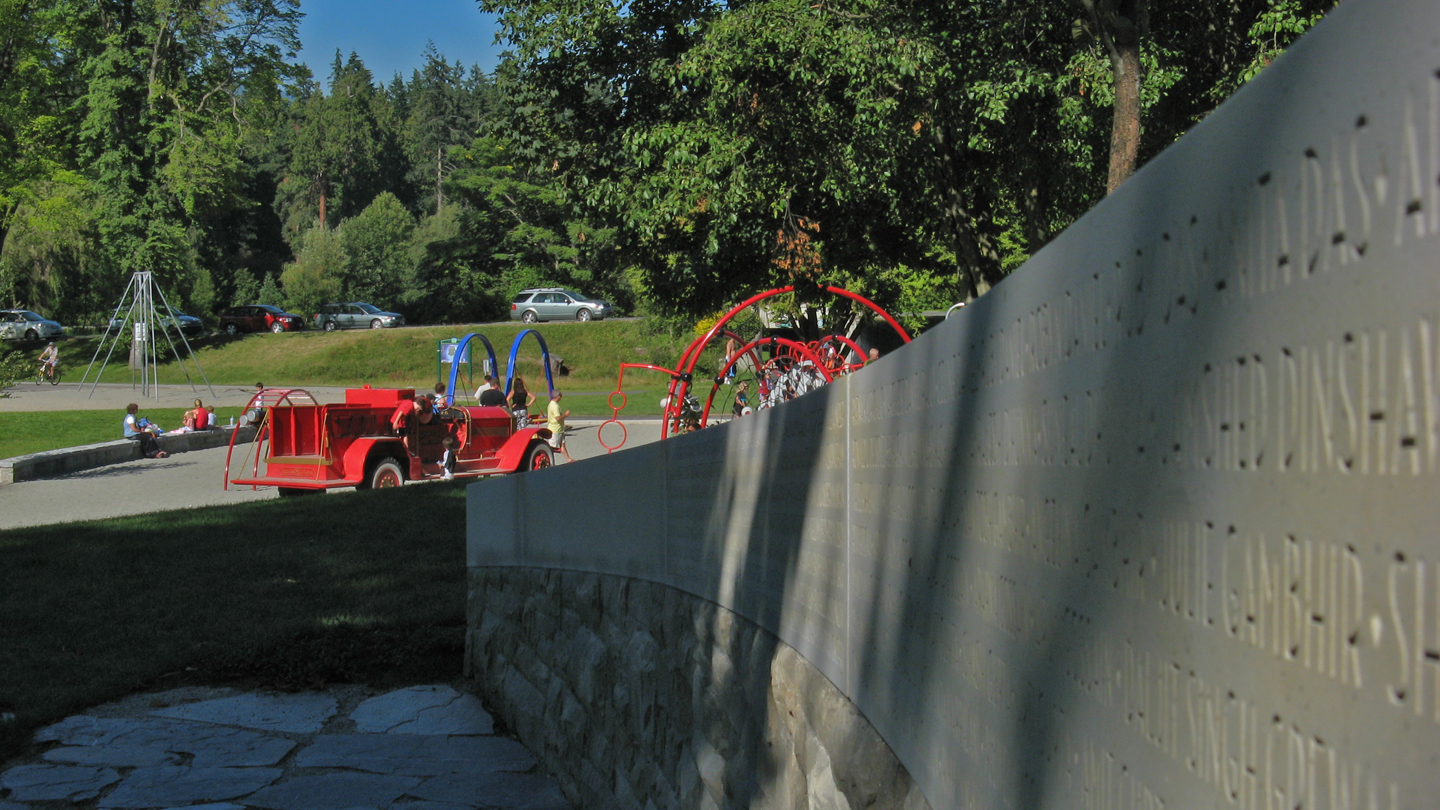
Prime Minister Carney issued a statement Tuesday honoring the victims of Air India Flight 182 and those who lost loved ones in the bombing [3].
The anniversary serves as a reminder of one of the deadliest acts of aviation terrorism, involving a coordinated attack that targeted both a flight and airport ground staff.
On June 23, 1985, a suitcase bomb detonated on board the Boeing 747 [2]. The explosion caused the aircraft to break up and fall into the Atlantic Ocean, approximately 190 km southwest of the Irish coast [1, 2]. All 331 passengers and crew on board died [1].
Simultaneously, a second suitcase bomb exploded at London’s Heathrow Airport [2]. That blast killed two baggage handlers before the luggage could be transferred onto an Air India jet [2].
Investigation records indicate the bombing was carried out by Sikh extremist militants linked to the Babbar Khalsa [1, 2]. These militants sought revenge for perceived Indian government oppression of Sikhs [4, 5].
"On this National Day of Remembrance for Victims of Terrorism, we honour the victims of Flight 182 and all those who have lost loved ones," Carney said [3].
The tragedy remains a focal point for victims' families, some of whom have spent decades seeking full accountability. In a separate reflection on the event, a reporter for CP24 said that families of those who died have learned to live with their losses 25 years after the plane plunged into the ocean [6].
“All 331 passengers and crew on board died.”
The recurring commemorations of Flight 182 highlight the long-term diplomatic and social impact of the 1985 attacks. By designating a National Day of Remembrance, the Canadian government acknowledges the failure to prevent the tragedy and the enduring trauma of the victims' families, while underscoring the intersection of international terrorism and domestic political tensions.


