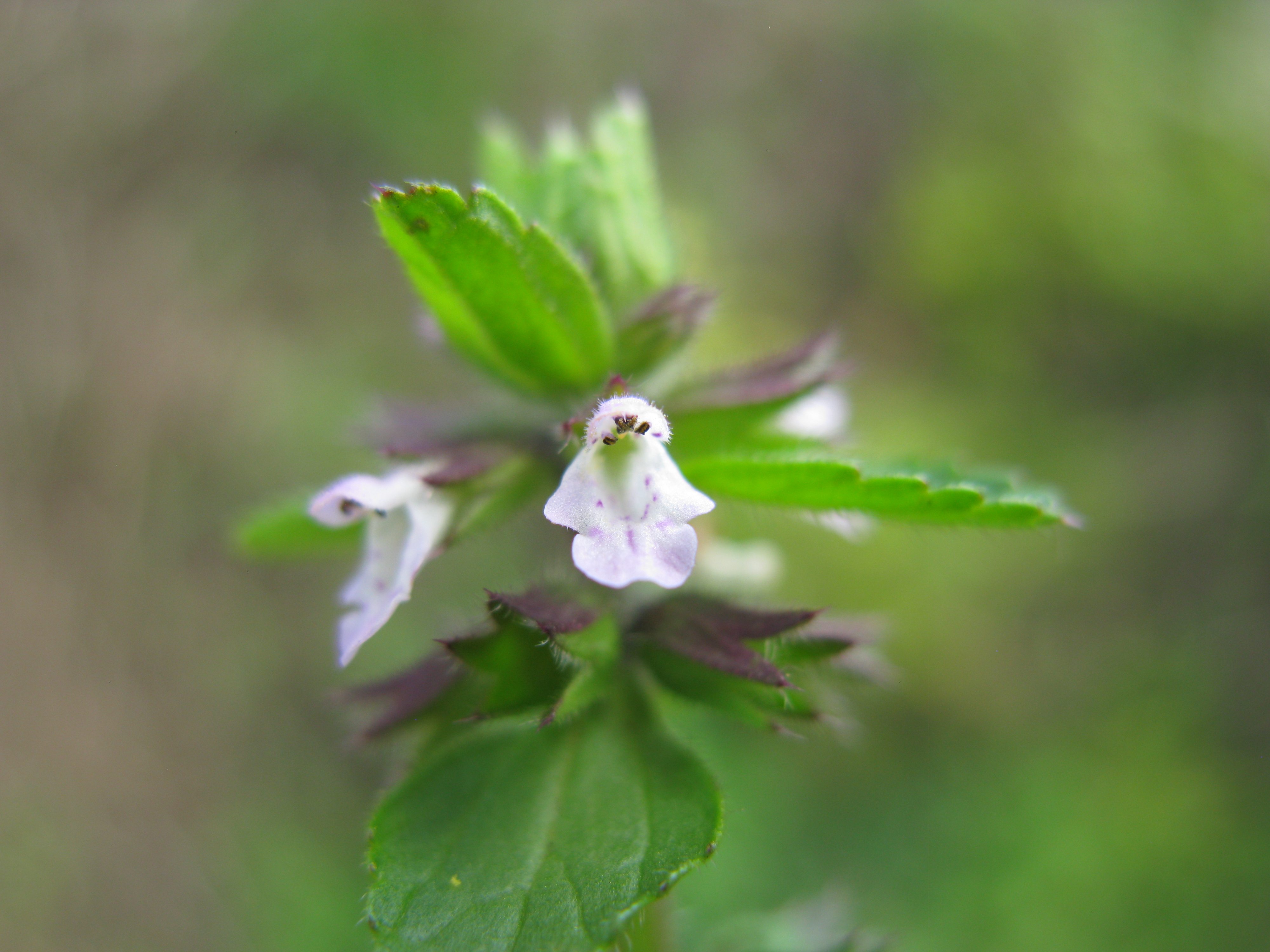
Megan Evans of the Alberta Native Plant Council is advising gardeners to selectively remove weeds to protect local ecosystems and pollinators.
Strategic weed management helps prevent the spread of invasive species while maintaining lawn health. By identifying which plants are harmful and which are beneficial, homeowners can create yards that support biodiversity rather than relying on blanket eradication.
Evans said gardeners should prioritize the removal of invasive species, such as dandelions, during the spring season. Removing these specific weeds before they flower can prevent hundreds of potential new plants from spreading across the landscape [2]. There are eight specific spring weeds recommended for removal before they reach the flowering stage to ensure maximum control [2].
However, not all unwanted greenery is harmful. Evans said that some plants, such as clover, should be left alone. These species provide essential resources for pollinators, and contribute to the overall health of the yard [1, 3].
Maintaining a healthy lawn involves a balance between aesthetics and ecological function. Removing invasive weeds prevents them from choking out native flora, a process that ensures the long-term stability of the garden. This approach shifts the focus from achieving a sterile lawn to fostering a functional habitat [1, 2].
Gardening experts said the best time to pull weeds is when the soil is moist, making it easier to remove the root system entirely [5]. This prevents the plants from regenerating and reduces the need for chemical interventions that could harm beneficial insects.
“Removing these specific weeds before they flower can prevent hundreds of potential new plants from spreading.”
This shift toward selective weeding reflects a broader ecological movement to move away from the 'perfect' monoculture lawn. By preserving plants like clover, homeowners contribute to a fragmented network of pollinator corridors, which is critical for the survival of bees and butterflies in urban and suburban environments.


'%2F%3E%0A%20%20%20%20%3Crect%20width%3D'1600'%20height%3D'900'%20fill%3D'url(%23v)'%2F%3E%0A%20%20%20%20%3Cg%20opacity%3D'0.08'%20fill%3D'%23ffffff'%3E%0A%20%20%20%20%20%20%3Ccircle%20cx%3D'1420'%20cy%3D'180'%20r%3D'220'%2F%3E%0A%20%20%20%20%20%20%3Ccircle%20cx%3D'1500'%20cy%3D'760'%20r%3D'120'%2F%3E%0A%20%20%20%20%3C%2Fg%3E%0A%20%20%20%20%3Cline%20x1%3D'80'%20y1%3D'172'%20x2%3D'220'%20y2%3D'172'%20stroke%3D'%23ffffff'%20stroke-width%3D'3'%20stroke-opacity%3D'0.6'%2F%3E%0A%20%20%20%20%3Ctext%20x%3D'80'%20y%3D'140'%20font-family%3D'Inter%2C%20-apple-system%2C%20Helvetica%2C%20sans-serif'%20font-weight%3D'700'%20font-size%3D'28'%20fill%3D'%23ffffff'%20letter-spacing%3D'6'%3EHANNA%20%C2%B7%20NEWS%3C%2Ftext%3E%0A%20%20%20%20%3Ctext%20x%3D'80'%20y%3D'230'%20font-family%3D'Inter%2C%20-apple-system%2C%20Helvetica%2C%20sans-serif'%20font-weight%3D'600'%20font-size%3D'40'%20fill%3D'%23ffffffb3'%20letter-spacing%3D'4'%3EWORLD%3C%2Ftext%3E%0A%20%20%20%20%3Ctext%20x%3D'80'%20y%3D'694'%20font-family%3D'Playfair%20Display%2C%20Georgia%2C%20serif'%20font-weight%3D'800'%20font-size%3D'110'%20fill%3D'%23ffffff'%20letter-spacing%3D'-1'%3ESix%20Die%20After%20Two%20Aircraft%3C%2Ftext%3E%3Ctext%20x%3D'80'%20y%3D'820'%20font-family%3D'Playfair%20Display%2C%20Georgia%2C%20serif'%20font-weight%3D'800'%20font-size%3D'110'%20fill%3D'%23ffffff'%20letter-spacing%3D'-1'%3ECrash%20in%20Rio%20de%20Janeiro%3C%2Ftext%3E%0A%20%20%20%20%3Ctext%20x%3D'80'%20y%3D'870'%20font-family%3D'Inter%2C%20-apple-system%2C%20Helvetica%2C%20sans-serif'%20font-weight%3D'500'%20font-size%3D'22'%20fill%3D'%23ffffff66'%20letter-spacing%3D'2'%3Enews.hanna-ai.com%3C%2Ftext%3E%0A%20%20%3C%2Fsvg%3E)