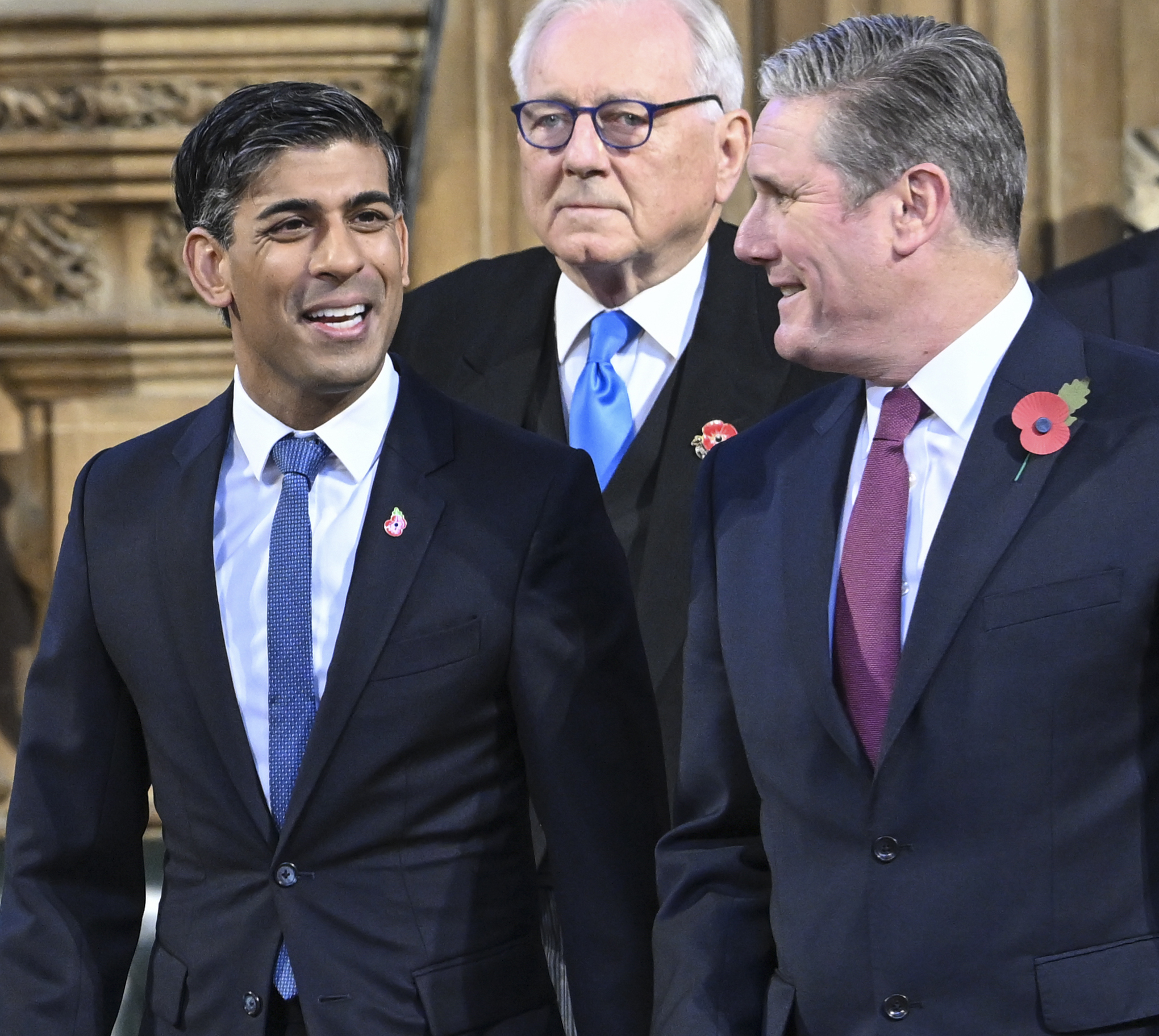
Andy Burnham (Labour) was sworn in as the Member of Parliament for Makerfield on Monday after winning a by-election [1, 3].
The move positions the veteran politician as the primary frontrunner to lead the Labour Party and become the next UK prime minister following the resignation of Keir Starmer [2, 3].
Burnham, who previously served as the mayor of Manchester, enters Westminster at a time of significant political volatility. His entry into Parliament is seen as a strategic step to secure the leadership of the party and the premiership [1, 2].
The leadership transition follows the departure of Keir Starmer, who served fewer than two years as prime minister before resigning [3]. This rapid turnover adds to a period of instability in British governance. If Burnham secures the leadership and the office, he could become Britain's seventh prime minister in a decade [1].
Burnham's victory in the Makerfield constituency provides him the necessary legislative seat to contest the leadership role [3]. The party now faces a critical transition as it seeks a successor to manage the government during a period of leadership churn.
While the party has not yet finalized the leadership contest, Burnham's return to national politics is widely viewed as a challenge to the remaining contenders [2, 5]. He brings a record of local governance from Manchester to the national stage as he seeks to stabilize the Labour administration.
“Andy Burnham (Labour) was sworn in as the Member of Parliament for Makerfield on Monday”
The rapid succession of prime ministers in the UK underscores a period of systemic instability. Burnham's transition from local government back to Westminster represents a shift in Labour's leadership strategy, attempting to leverage regional success to maintain national authority after Starmer's short tenure.

'%2F%3E%0A%20%20%20%20%3Crect%20width%3D'1600'%20height%3D'900'%20fill%3D'url(%23v)'%2F%3E%0A%20%20%20%20%3Cg%20opacity%3D'0.08'%20fill%3D'%23ffffff'%3E%0A%20%20%20%20%20%20%3Ccircle%20cx%3D'1420'%20cy%3D'180'%20r%3D'220'%2F%3E%0A%20%20%20%20%20%20%3Ccircle%20cx%3D'1500'%20cy%3D'760'%20r%3D'120'%2F%3E%0A%20%20%20%20%3C%2Fg%3E%0A%20%20%20%20%3Cline%20x1%3D'80'%20y1%3D'172'%20x2%3D'220'%20y2%3D'172'%20stroke%3D'%23ffffff'%20stroke-width%3D'3'%20stroke-opacity%3D'0.6'%2F%3E%0A%20%20%20%20%3Ctext%20x%3D'80'%20y%3D'140'%20font-family%3D'Inter%2C%20-apple-system%2C%20Helvetica%2C%20sans-serif'%20font-weight%3D'700'%20font-size%3D'28'%20fill%3D'%23ffffff'%20letter-spacing%3D'6'%3EHANNA%20%C2%B7%20NEWS%3C%2Ftext%3E%0A%20%20%20%20%3Ctext%20x%3D'80'%20y%3D'230'%20font-family%3D'Inter%2C%20-apple-system%2C%20Helvetica%2C%20sans-serif'%20font-weight%3D'600'%20font-size%3D'40'%20fill%3D'%23ffffffb3'%20letter-spacing%3D'4'%3EWORLD%3C%2Ftext%3E%0A%20%20%20%20%3Ctext%20x%3D'80'%20y%3D'622'%20font-family%3D'Playfair%20Display%2C%20Georgia%2C%20serif'%20font-weight%3D'800'%20font-size%3D'86'%20fill%3D'%23ffffff'%20letter-spacing%3D'-1'%3ETate%20Modern%20Opens%20Major%3C%2Ftext%3E%3Ctext%20x%3D'80'%20y%3D'721'%20font-family%3D'Playfair%20Display%2C%20Georgia%2C%20serif'%20font-weight%3D'800'%20font-size%3D'86'%20fill%3D'%23ffffff'%20letter-spacing%3D'-1'%3EFrida%20Kahlo%20Retrospective%20in%3C%2Ftext%3E%3Ctext%20x%3D'80'%20y%3D'820'%20font-family%3D'Playfair%20Display%2C%20Georgia%2C%20serif'%20font-weight%3D'800'%20font-size%3D'86'%20fill%3D'%23ffffff'%20letter-spacing%3D'-1'%3ELondon%3C%2Ftext%3E%0A%20%20%20%20%3Ctext%20x%3D'80'%20y%3D'870'%20font-family%3D'Inter%2C%20-apple-system%2C%20Helvetica%2C%20sans-serif'%20font-weight%3D'500'%20font-size%3D'22'%20fill%3D'%23ffffff66'%20letter-spacing%3D'2'%3Enews.hanna-ai.com%3C%2Ftext%3E%0A%20%20%3C%2Fsvg%3E)
