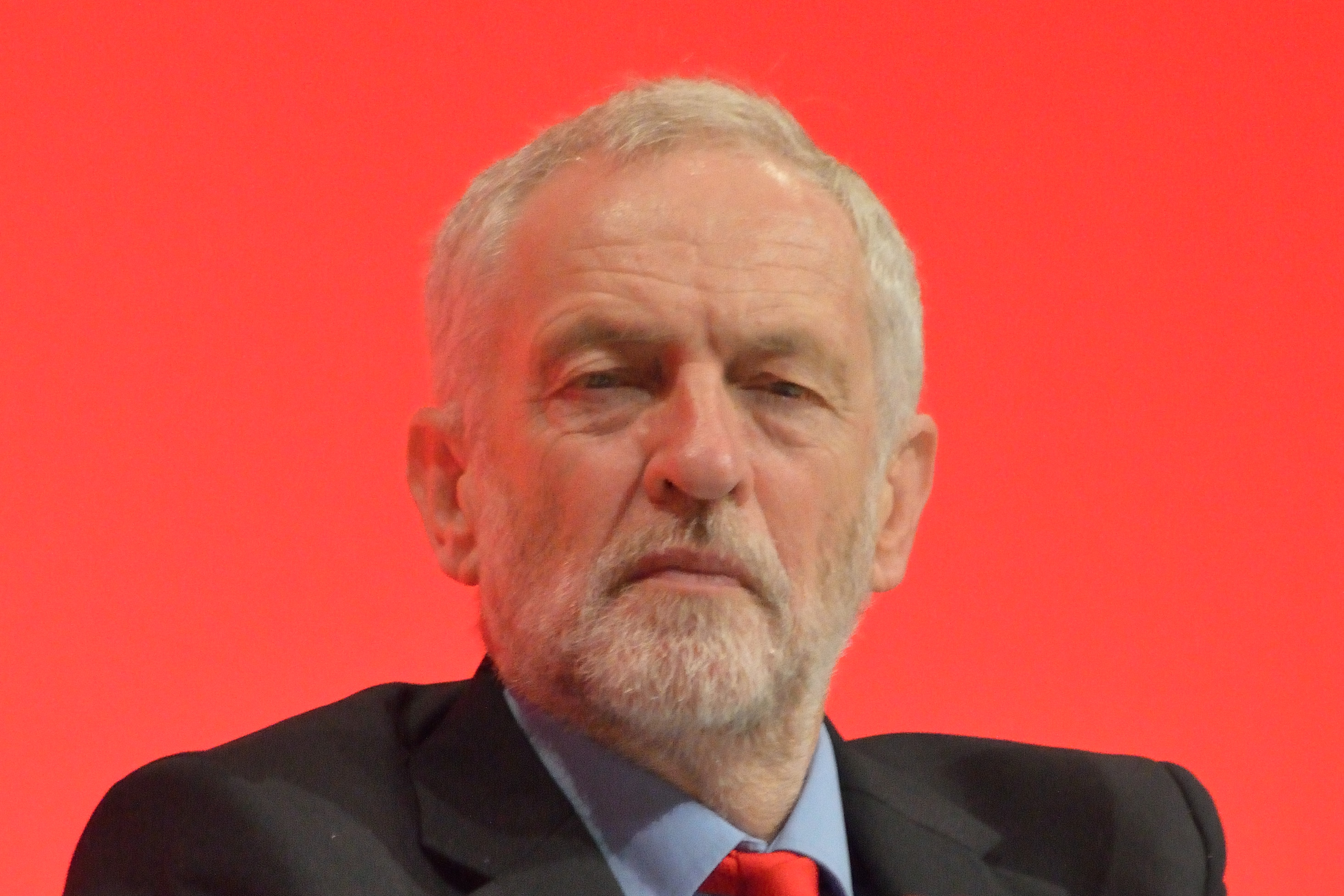
Andy Burnham was declared the leader of the United Kingdom's governing Labour Party on Friday, July 17, 2026 [1, 2].
The leadership change follows a period of internal instability and a rebellion within the party that led to the resignation of Prime Minister Keir Starmer. As the head of the governing party, Burnham is now positioned to lead the British government during a time of significant political transition.
Burnham is expected to officially assume the role of prime minister on Monday, July 21, 2026 [3]. This timeline follows the party's internal processes to finalize the transition of power after Starmer's departure. The appointment comes as the party seeks to stabilize its leadership and address the grievances that sparked the recent internal rebellion.
Burnham said he has pledged to restore hope across the country as he prepares to take office [4]. His ascent to the premiership marks a shift in the Labour Party's direction under a new leader tasked with maintaining a governing majority in Parliament while managing the fallout from the previous administration's collapse.
The transition occurs amid intense scrutiny of the party's internal cohesion. By securing the leadership, Burnham now holds the mandate to reshape the government's priorities and implement a new legislative agenda starting next week [5].
“Andy Burnham was declared the leader of the United Kingdom's governing Labour Party”
The transition from Keir Starmer to Andy Burnham represents a critical pivot for the UK government. Because Burnham is ascending to power following a party rebellion, his primary challenge will be unifying a fractured Labour Party to avoid further instability. His ability to maintain parliamentary discipline will determine whether the government can pass its upcoming legislative agenda or if it will face continued leadership challenges.