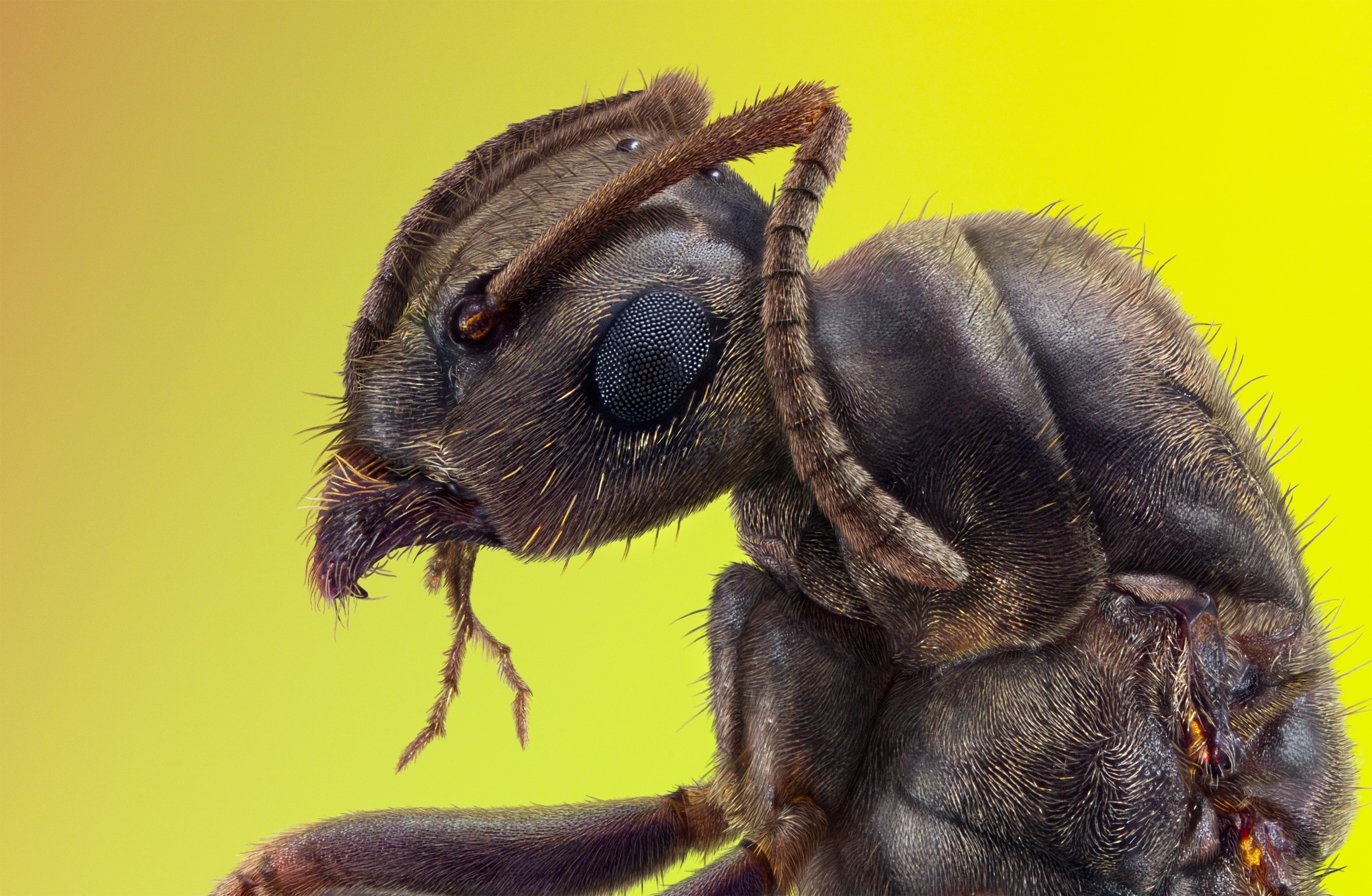
Ants possess a natural biological system that guides them toward sweet food sources, functioning in a manner similar to Google Maps [1].
This discovery provides insight into the complex sensory mechanisms insects use to survive and forage. Understanding how these creatures navigate their environments without digital tools helps scientists decode the evolution of biological intelligence and spatial awareness.
According to reports, this innate system allows ants to locate sugary substances with high precision [1]. The process involves a sophisticated interaction between the ants' environment and their internal guidance mechanisms, a biological blueprint for efficiency.
"The ants have a natural system to guide them to sweet things," a BBC Urdu reporter said [1].
While the specific chemical or neurological triggers of this system are not detailed, the result is a highly effective foraging strategy. Ants rely on these signals to ensure the colony can secure energy-rich resources quickly. This natural mapping allows them to avoid aimless wandering and instead move directly toward a target [1].
Such biological systems are often more resilient than human-made technology because they are integrated into the organism's own physiology. The ability to map a route to a food source ensures that the colony can sustain its population through collective effort and precise navigation [1].
“Ants possess a natural biological system that guides them toward sweet food sources.”
The comparison of ant navigation to digital mapping highlights the efficiency of evolutionary biology. By utilizing a biological equivalent of a GPS, ants maximize caloric intake while minimizing energy expenditure, illustrating a sophisticated level of environmental interaction that continues to inform biomimetic research in robotics and artificial intelligence.


