
Apple introduced a new AI-powered Siri and a series of software updates during its WWDC 2026 keynote event in Cupertino, California [1].
These updates represent a significant shift in how the company integrates artificial intelligence across its hardware, potentially altering the user experience for millions of global customers.
The company previewed iOS 27 [3], along with updates for macOS, watchOS, and other platforms [1]. The announcements centered on a redesigned Siri that leverages advanced AI to handle more complex tasks and provide a more intuitive interface [1].
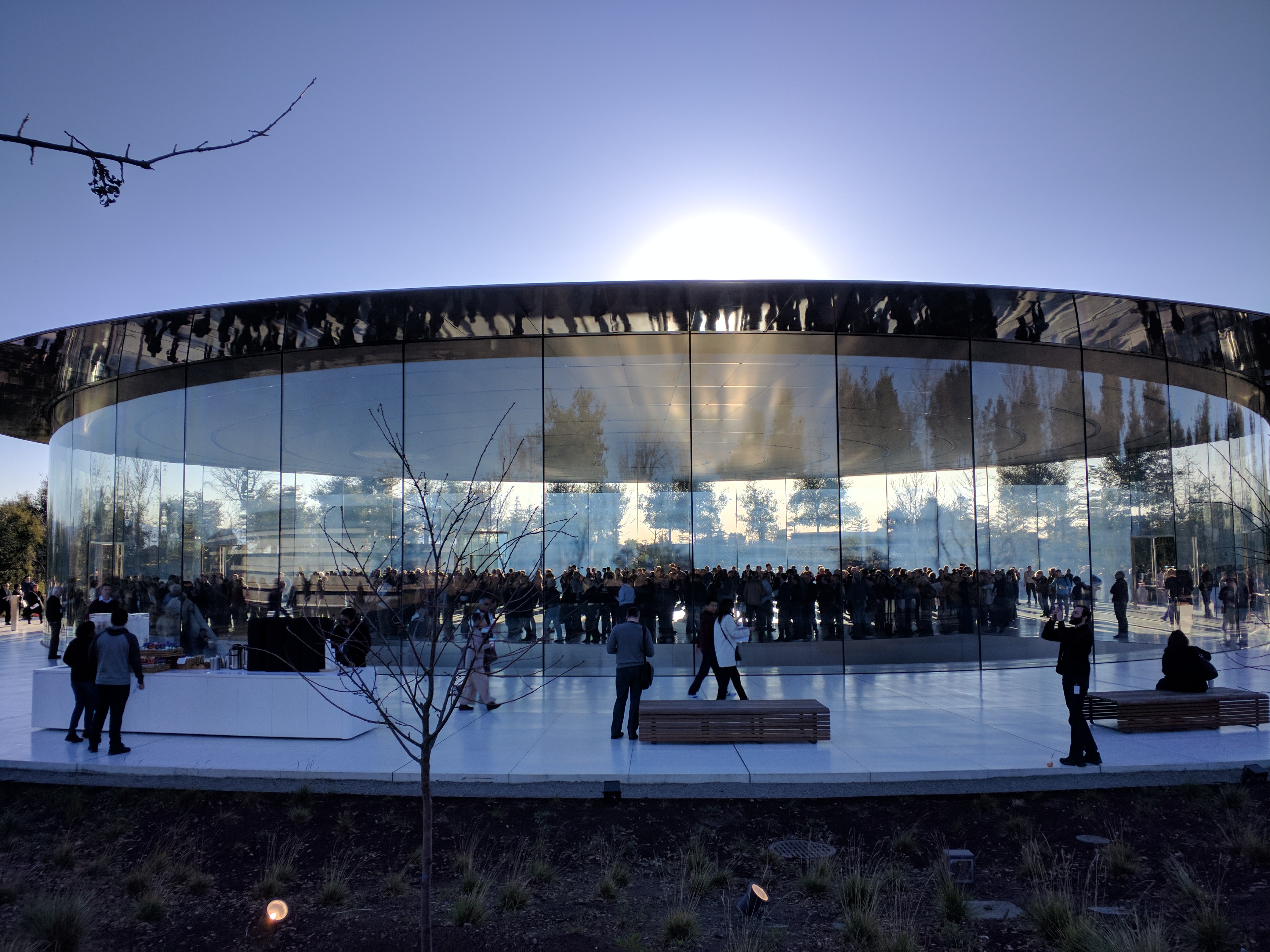
Apple Park served as the venue for the presentation, where the company detailed its roadmap for developers [1]. The suite of upgrades aims to deepen the integration between different Apple devices, creating a more seamless ecosystem for users [2].
Industry analysts noted several key takeaways from the event, including the expanded capabilities of Apple's intelligence frameworks [2]. The updates for iOS 27 are designed to refine system performance and introduce new AI-driven features to the iPhone [3].
This keynote serves as the primary preview for the next generation of Apple software [2]. By focusing on AI, Apple is positioning its operating systems to compete with other generative AI tools and virtual assistants in the current market [1].
“Apple unveiled a new AI‑powered Siri and a suite of software upgrades.”
The transition to an AI-centric Siri and the release of iOS 27 indicate Apple's strategy to move beyond simple voice commands toward a more proactive, generative assistant. By embedding these features across macOS and watchOS, Apple is attempting to lock users further into its ecosystem through AI-driven interoperability, making the software as critical to its competitive edge as the hardware.



