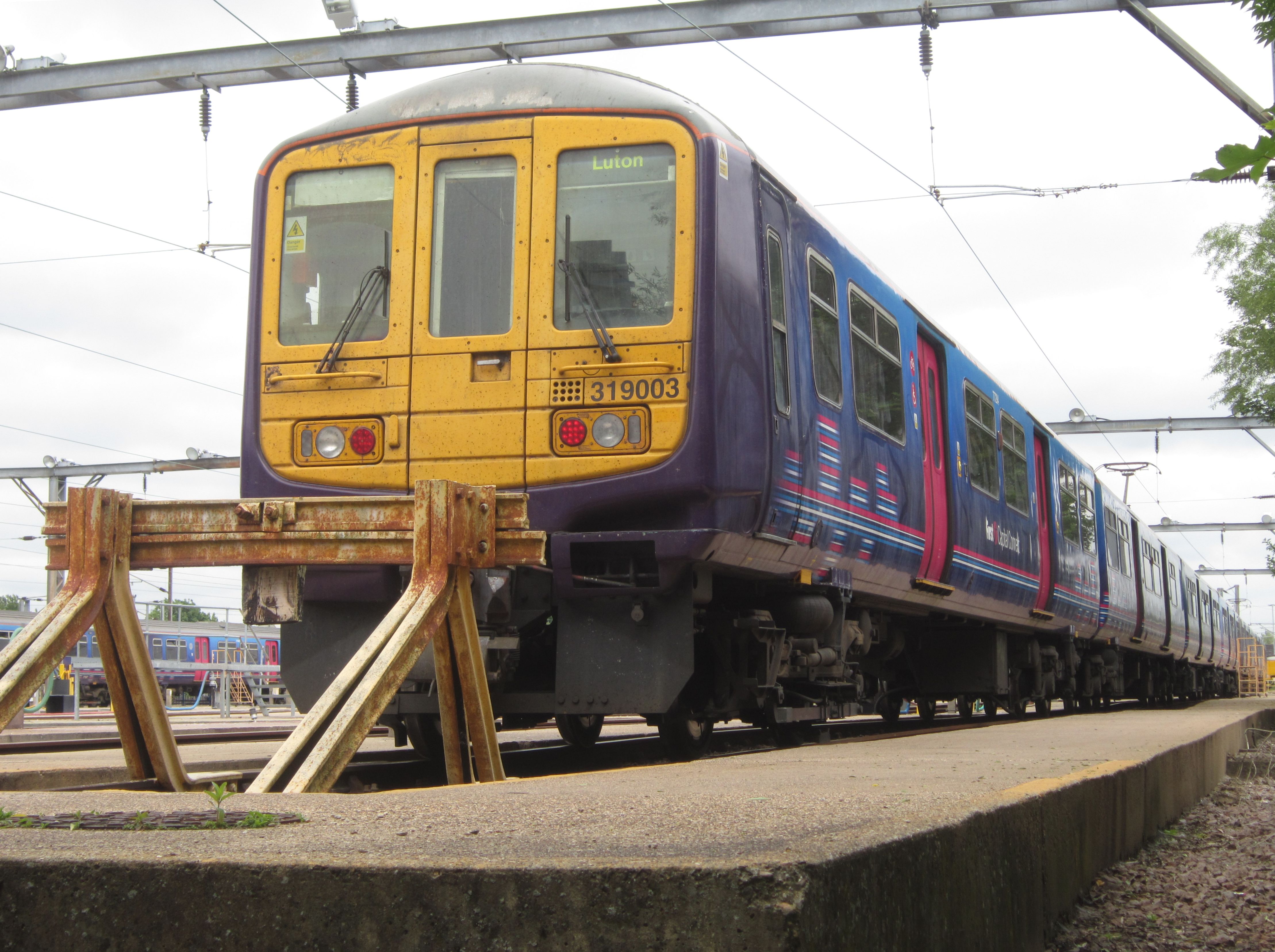
Two passenger trains collided in the Bedford area of the United Kingdom, killing one train driver and injuring dozens of people.
The accident represents a significant failure in rail safety protocols and has caused major disruptions to travel in the region. Emergency responders worked to evacuate passengers and crew from the wreckage following the impact.
Reports indicate that one train driver died in the crash [1]. A total of 89 people were injured during the collision [2]. Of those injured, 33 people are reported to be seriously injured [1].
Footage from the scene shows the interior of the trains after the collision, highlighting the damage sustained by the passenger carriages. Emergency crews were deployed to the Bedford area to manage the casualties, and secure the site.
Authorities are investigating the cause of the collision between the two passenger services. The crash involved both the crew and passengers on board the trains, resulting in a wide range of injuries across the two carriages [1], [2].
Local transport officials have not yet released a detailed timeline of the events leading up to the crash. The investigation remains focused on determining why the two trains were on a collision course in the Bedford area.
“Two passenger trains collided in the Bedford area of the United Kingdom.”
This incident underscores the critical nature of rail signaling and traffic management systems in the UK. A collision between two passenger trains suggests a potential breach in safety redundancies or a systemic failure in communication, which will likely prompt a rigorous safety audit of the Bedford rail corridor to prevent future occurrences.