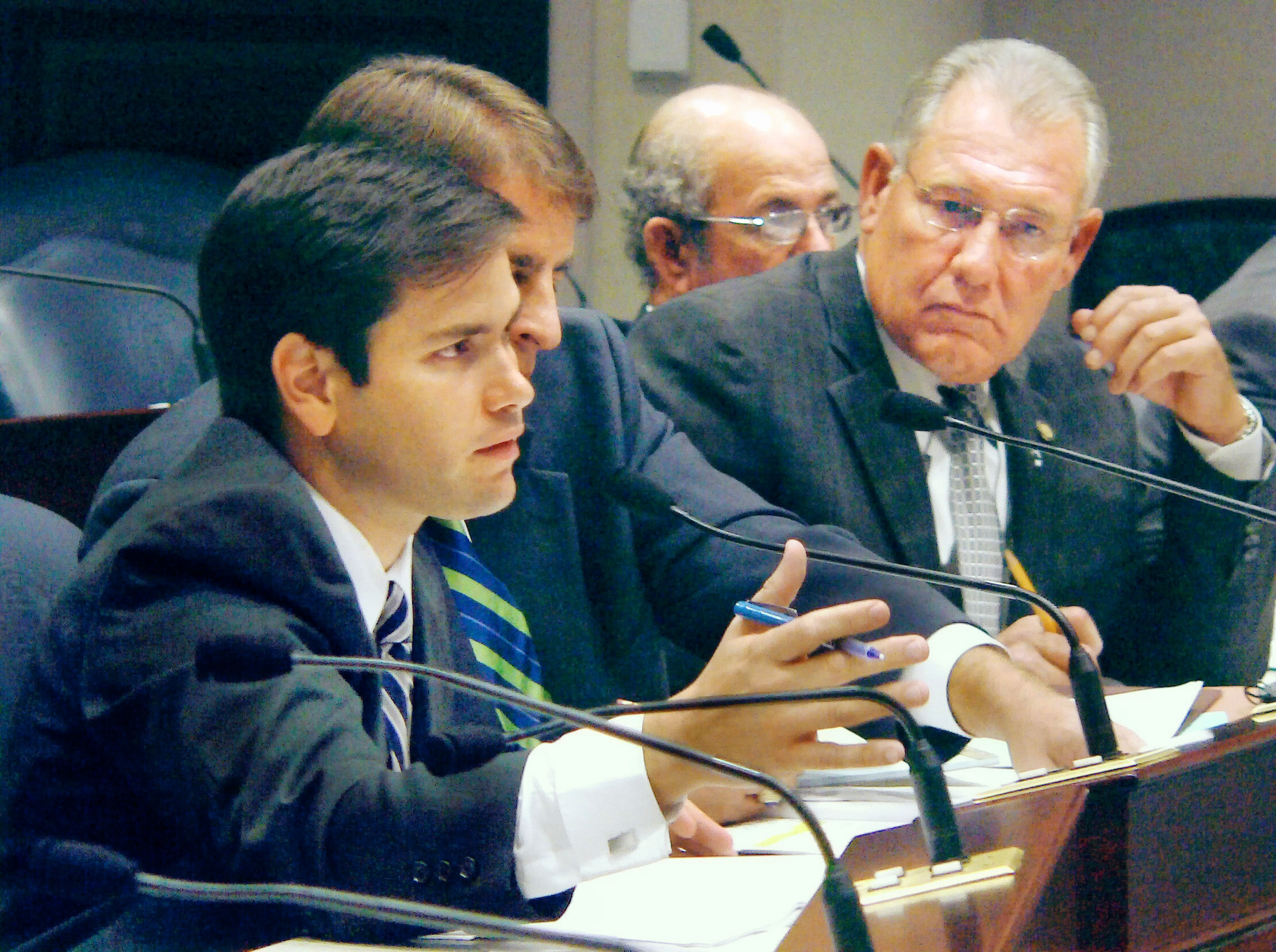
Treasury Secretary Scott Bessent testified before a Senate committee on Wednesday, Feb. 4, 2026, regarding the fiscal 2027 budget request for the Treasury Department.
The testimony highlights the administration's efforts to balance agency operations with broader economic constraints. As the Treasury manages the nation's finances, the budget request serves as a primary indicator of the administration's spending priorities and its approach to fiscal discipline.
Bessent appeared before lawmakers in Washington, D.C., for a session that began at 10 a.m. [2]. The primary focus of the hearing was the President's request for $11.5 billion [1] in discretionary spending for the Treasury Department for the 2027 fiscal year. This funding is intended to support the agency's various programs and operational requirements.
During the proceedings, the discussion centered on affordability concerns. Lawmakers questioned how the Treasury Department intends to maintain its core functions while adhering to the fiscal constraints outlined in the budget request. The debate reflects a wider tension in Congress over the scale of government spending and the feasibility of the administration's financial targets.
While sources differed on the specific committee hosting the hearing—with some citing the Senate Finance Committee and others the Senate Appropriations Committee—the core objective remained the defense of the $11.5 billion [1] figure. The Secretary's testimony provided the legislative branch with a detailed breakdown of how the requested funds would be allocated across the department's priorities.
Bessent's appearance is part of a broader series of budget hearings as the U.S. government prepares its financial roadmap for the coming year. The outcome of these discussions will likely influence the final appropriations passed by Congress, impacting the Treasury's ability to execute its mandates, and manage federal assets.
“The primary focus of the hearing was the President's request for $11.5 billion in discretionary spending.”
This testimony signals a critical juncture in the administration's fiscal strategy, as the Treasury must justify its operational costs against a backdrop of strict affordability constraints. The focus on discretionary spending suggests that the administration is under pressure to demonstrate efficiency and cost-reduction measures to secure legislative approval for the FY 2027 budget.