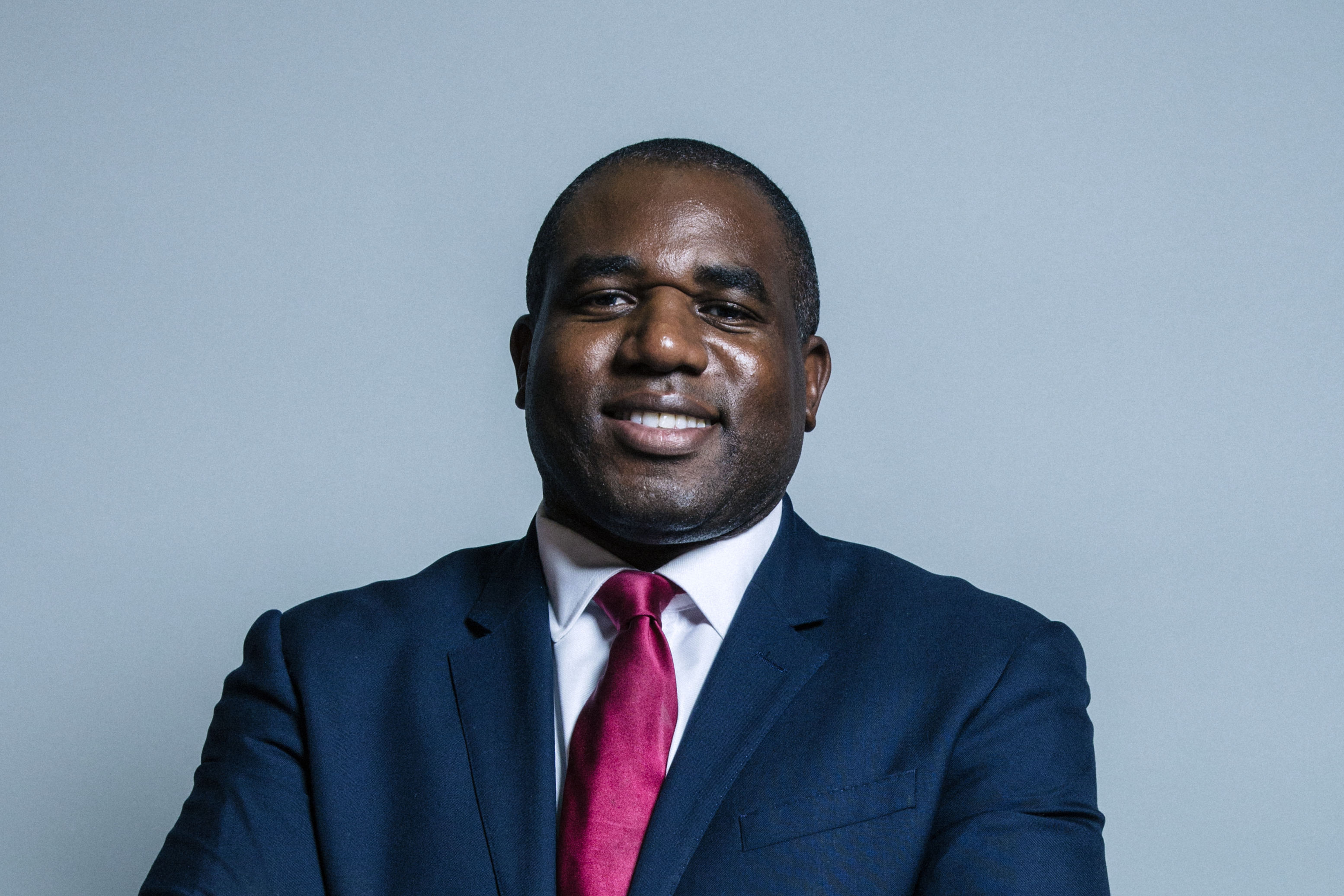
Bill Pulte's appointment as acting Director of National Intelligence is facing scrutiny from lawmakers on Capitol Hill [1].
The controversy surrounding the appointment reflects deep partisan divisions and internal tension within the administration's orbit as it manages critical intelligence and foreign policy shifts.
During proceedings on June 2, 2026 [1], Democrats expressed sharp criticism of the selection. Some Republicans also voiced caution regarding the appointment, signaling a mixed reception to the decision by President Trump [1].
Adding to the tension, former official Scott Bessent provided testimony regarding his interactions with Pulte. Bessent said he told Pulte he was going to kick his a**, not punch him in the face [2].
Simultaneously, Secretary of State Marco Rubio testified before the Senate Foreign Relations Committee [1]. Rubio said he addressed diplomatic efforts aimed at resolving the conflict with Iran and the strategic necessity of reopening the Strait of Hormuz [1]. Acting Attorney General Todd Blanche also faced questioning during the legislative sessions [1].
These events coincided with a milestone for public broadcasting, as C-SPAN2 marked its 40th anniversary [1]. The broadcast of the hearings provided a transparent look at the friction between the administration's picks and the legislative branch.
The proceedings highlight a volatile period for the U.S. intelligence community, as the administration seeks to balance aggressive foreign policy goals with domestic political confirmation hurdles.
“"I told Bill Pulte I was going to kick his a**, not punch him in the face."”
The friction surrounding Bill Pulte's appointment, coupled with the aggressive diplomatic goals outlined by Marco Rubio, suggests an administration prioritizing loyalty and disruption over traditional consensus. The tension between the executive's picks and the Senate may slow the implementation of intelligence reforms while the U.S. attempts to navigate high-stakes volatility in the Strait of Hormuz.