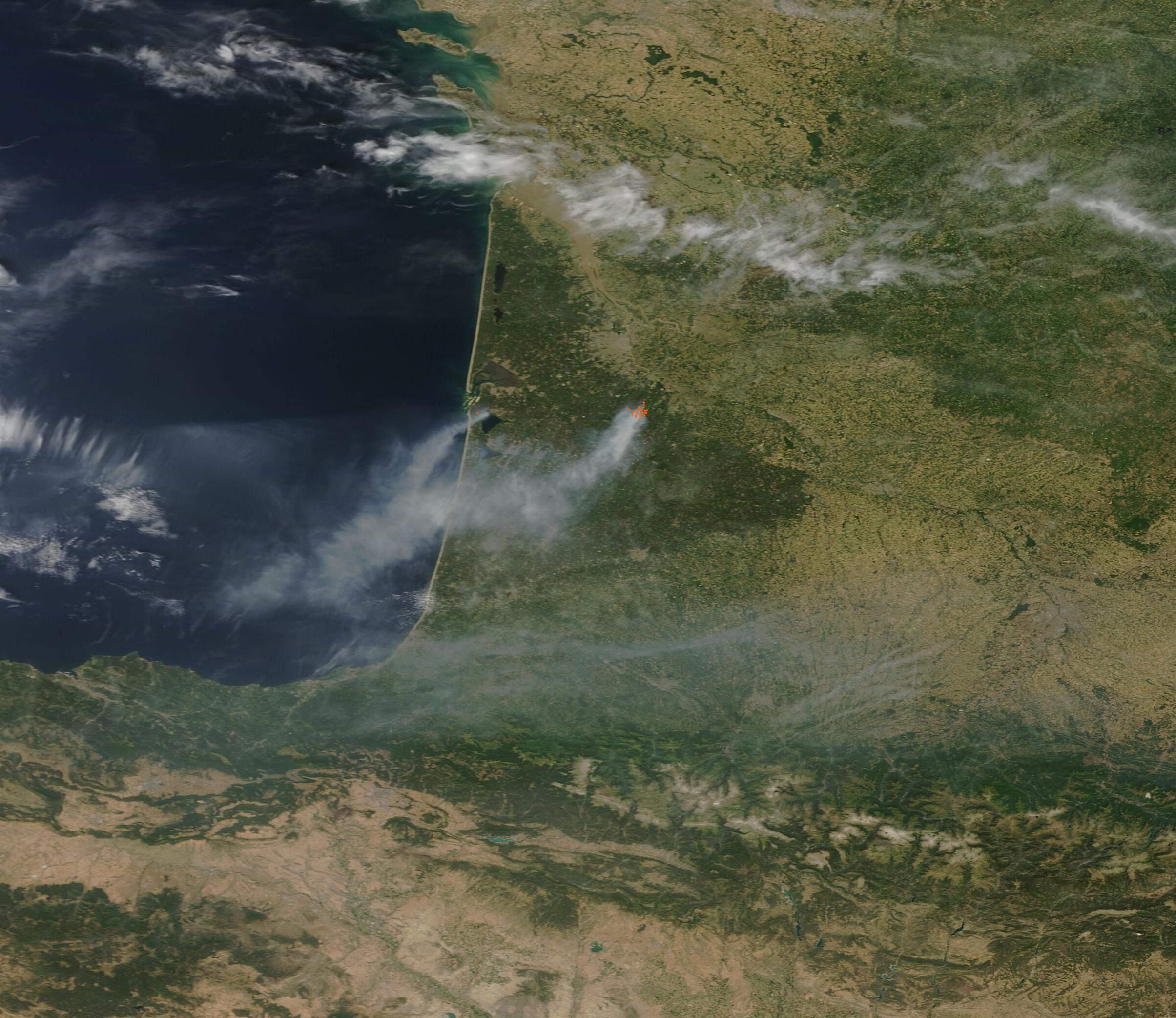
Massive wildfires are sweeping through southwestern France, threatening the vineyards and wine production of the Bordeaux region.
The situation is critical because Bordeaux is one of the world's most prestigious wine-growing areas. Damage to the vines and the potential for smoke taint could disrupt global exports and devastate the local economy.
Firefighters are battling the flames near Bordeaux, where a combination of an intense heatwave and high winds has fueled the spread of the fires [1, 2]. The weather conditions have made containment difficult, allowing the blazes to move quickly across the landscape [2, 4].
The scale of the destruction is significant. Reports indicate that wildfires this summer have burned an area four times the size of Paris [5]. The fires have darkened the clouds over the industry, creating an atmosphere of uncertainty for growers who rely on stable seasonal conditions [3].
Authorities continue to monitor the wind patterns to predict where the fires may move next. The intersection of extreme heat and dry vegetation has created a volatile environment in southwestern France, putting both the natural landscape and agricultural assets at risk [1, 2].
Local efforts remain focused on creating firebreaks to protect the vineyards from direct flame contact. While some areas have been successfully defended, the overarching threat to the region's wine production remains high as the summer heat persists [2, 3].
“Wildfires this summer have burned an area four times the size of Paris”
The threat to Bordeaux represents a convergence of climate volatility and economic vulnerability. Because the region's prestige is tied to specific terroir and vintage quality, the physical destruction of vines or the chemical impact of smoke on grapes can lead to long-term financial losses and a decrease in the global market value of the region's output.


