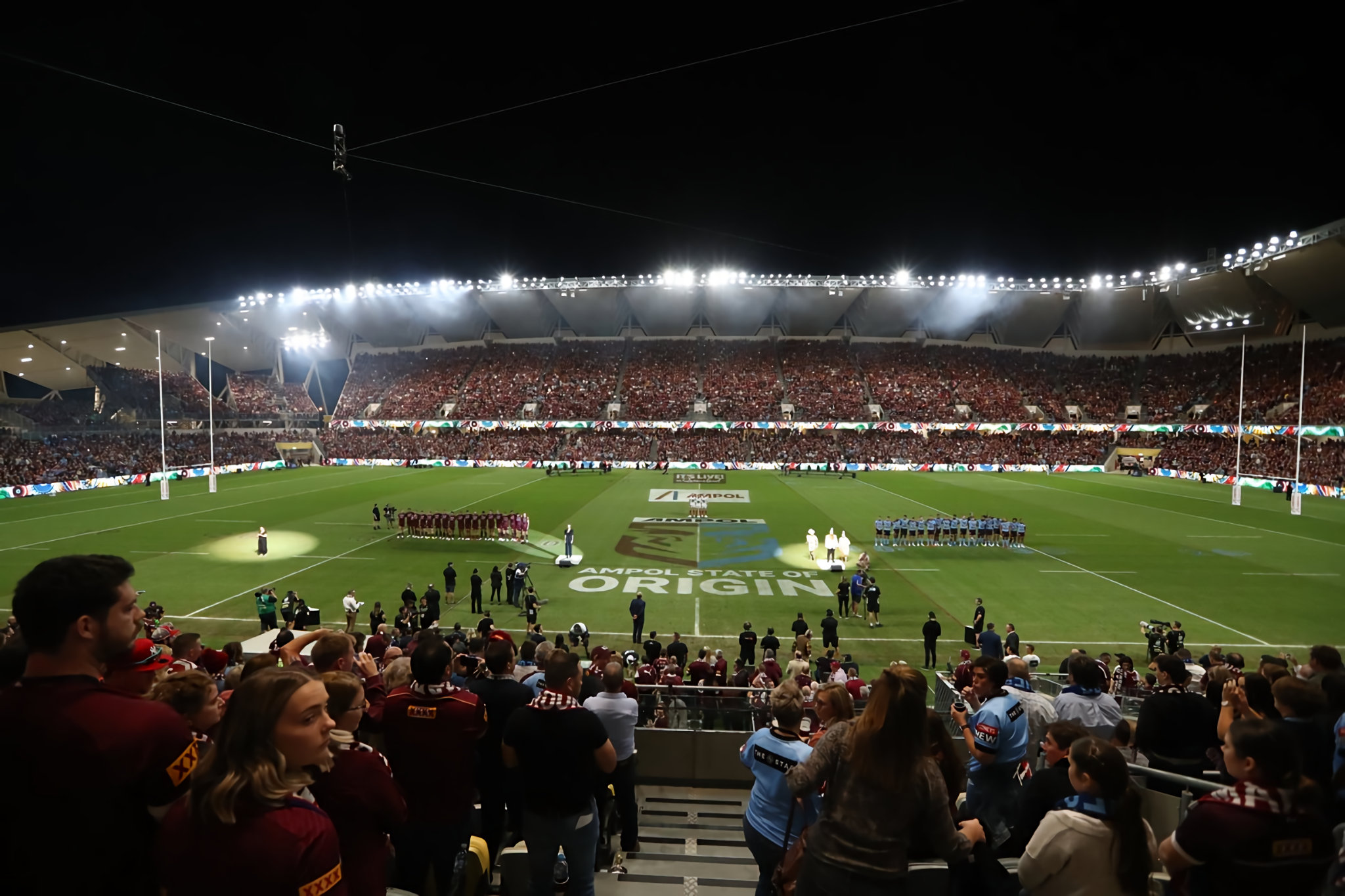
The Brazil national football team will start its preparation cycle for the 2030 World Cup with two friendly matches in Australia [1].
This strategic pivot comes as the Seleção seeks to stabilize its performance and rebuild momentum after a recent setback. By shifting focus toward the 2030 tournament, the team is initiating a long-term developmental phase to ensure competitiveness on the global stage.
The decision follows a 2-1 loss against Norway [1]. The coaching staff said it intends to use the upcoming trip to Australia to recover from that defeat and integrate new tactical approaches. These matches serve as the foundation for the next several years of international competition.
Brazil has scheduled the first friendly for Sept. 25, 2024, in Townsville [1]. The team will then travel to Brisbane for a second match on Sept. 29, 2024 [1]. These dates mark the formal beginning of the 2030 World Cup cycle [1].
Playing in Australia allows the team to test its squad against different styles of play while expanding its international presence. The matches in Townsville and Brisbane provide an opportunity to evaluate player depth, and chemistry away from the pressures of competitive tournament play.
The focus on the 2030 World Cup [1] suggests a commitment to a multi-year plan. This approach allows the federation to transition the squad, blending experienced veterans with emerging talent to create a cohesive unit for the future tournament.
“Brazil will start its preparation cycle for the 2030 World Cup with two friendly matches in Australia.”
By initiating a preparation cycle for 2030 this early, Brazil is signaling a period of systemic transition. The move to schedule friendlies in Australia immediately after a loss to Norway indicates a desire to reset the team's psychological state and tactical identity far from home, prioritizing long-term structural growth over immediate short-term results.
'%2F%3E%0A%20%20%20%20%3Crect%20width%3D'1600'%20height%3D'900'%20fill%3D'url(%23v)'%2F%3E%0A%20%20%20%20%3Cg%20opacity%3D'0.08'%20fill%3D'%23ffffff'%3E%0A%20%20%20%20%20%20%3Ccircle%20cx%3D'1420'%20cy%3D'180'%20r%3D'220'%2F%3E%0A%20%20%20%20%20%20%3Ccircle%20cx%3D'1500'%20cy%3D'760'%20r%3D'120'%2F%3E%0A%20%20%20%20%3C%2Fg%3E%0A%20%20%20%20%3Cline%20x1%3D'80'%20y1%3D'172'%20x2%3D'220'%20y2%3D'172'%20stroke%3D'%23ffffff'%20stroke-width%3D'3'%20stroke-opacity%3D'0.6'%2F%3E%0A%20%20%20%20%3Ctext%20x%3D'80'%20y%3D'140'%20font-family%3D'Inter%2C%20-apple-system%2C%20Helvetica%2C%20sans-serif'%20font-weight%3D'700'%20font-size%3D'28'%20fill%3D'%23ffffff'%20letter-spacing%3D'6'%3EHANNA%20%C2%B7%20NEWS%3C%2Ftext%3E%0A%20%20%20%20%3Ctext%20x%3D'80'%20y%3D'230'%20font-family%3D'Inter%2C%20-apple-system%2C%20Helvetica%2C%20sans-serif'%20font-weight%3D'600'%20font-size%3D'40'%20fill%3D'%23ffffffb3'%20letter-spacing%3D'4'%3EWORLD%3C%2Ftext%3E%0A%20%20%20%20%3Ctext%20x%3D'80'%20y%3D'694'%20font-family%3D'Playfair%20Display%2C%20Georgia%2C%20serif'%20font-weight%3D'800'%20font-size%3D'110'%20fill%3D'%23ffffff'%20letter-spacing%3D'-1'%3ERafael%20Nadal%20Uses%20Anchovies%3C%2Ftext%3E%3Ctext%20x%3D'80'%20y%3D'820'%20font-family%3D'Playfair%20Display%2C%20Georgia%2C%20serif'%20font-weight%3D'800'%20font-size%3D'110'%20fill%3D'%23ffffff'%20letter-spacing%3D'-1'%3Ein%20Daily%20Breakfast%20Routine%3C%2Ftext%3E%0A%20%20%20%20%3Ctext%20x%3D'80'%20y%3D'870'%20font-family%3D'Inter%2C%20-apple-system%2C%20Helvetica%2C%20sans-serif'%20font-weight%3D'500'%20font-size%3D'22'%20fill%3D'%23ffffff66'%20letter-spacing%3D'2'%3Enews.hanna-ai.com%3C%2Ftext%3E%0A%20%20%3C%2Fsvg%3E)

