Hugo Motta, President of the Chamber of Deputies, is studying the replacement of the rapporteur for the bill to end the 6x1 work schedule [1].
The potential change in leadership for the proposal comes as Brazilian lawmakers attempt to navigate intense opposition from the business sector. By reorganizing political alliances and changing the bill's rapporteur, Motta aims to keep the legislation moving forward despite a lack of government urgency [1].
The bill targets the current 6x1 system, which requires employees to work six days followed by one day of rest [1]. The shift in strategy follows a contradiction between legislative and executive branches regarding the bill's timeline. On April 7, 2026 [2], Motta said the government had withdrawn its request to process the project under a regime of urgency [2].
However, a spokesperson for the Palácio do Planalto said on the same day that the government was still studying the urgency for the project [2]. This discrepancy highlights the political tension surrounding the labor reform. Leo Prates (Republicanos-BA) currently serves as the rapporteur, but Motta is considering a replacement to lower resistance from employers [1].
Critics of the government's handling of the bill have been vocal about the perceived instability. Reginaldo Lopes (PT-MG) said the government's current maneuvers were the last act of desperation [2].
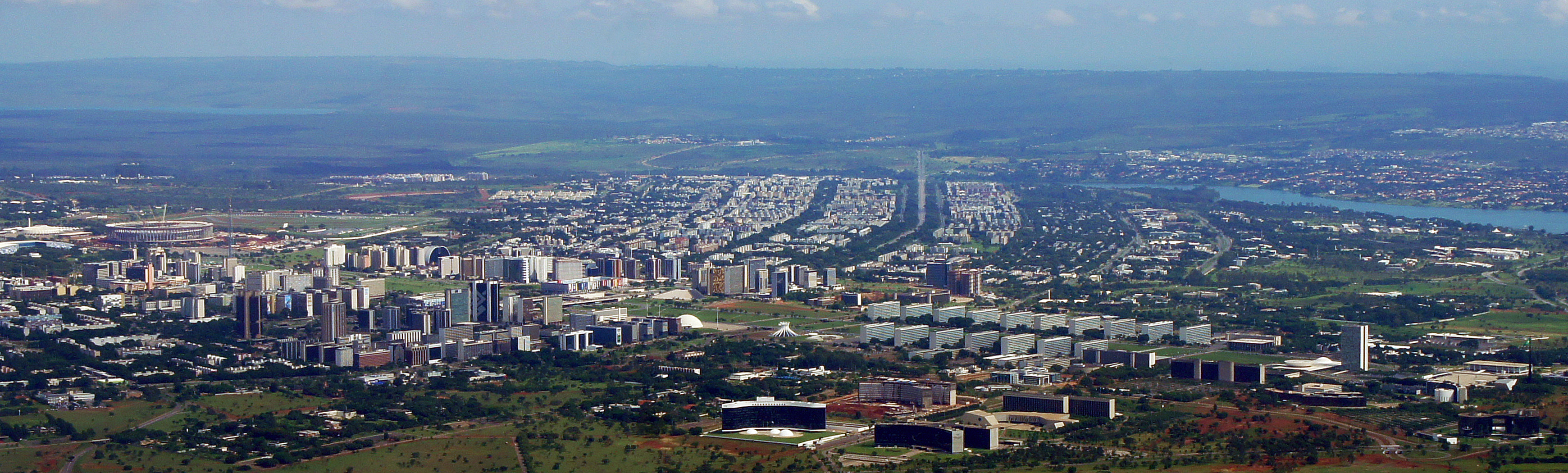
The decision to replace Prates would be a tactical move to ensure the bill does not stall in the Chamber of Deputies in Brasília [2]. If the business sector continues to lobby against the change, the legislative path for the 6x1 repeal remains uncertain [1].
“The maneuver aims to lower resistance from the business sector”
The struggle over the 6x1 work schedule reflects a deeper conflict between labor rights advocates and the Brazilian business lobby. By potentially replacing the rapporteur, the Chamber leadership is attempting to find a political compromise that can bypass corporate opposition without relying on a formal urgency request from the executive branch, which remains inconsistent in its public positioning.


