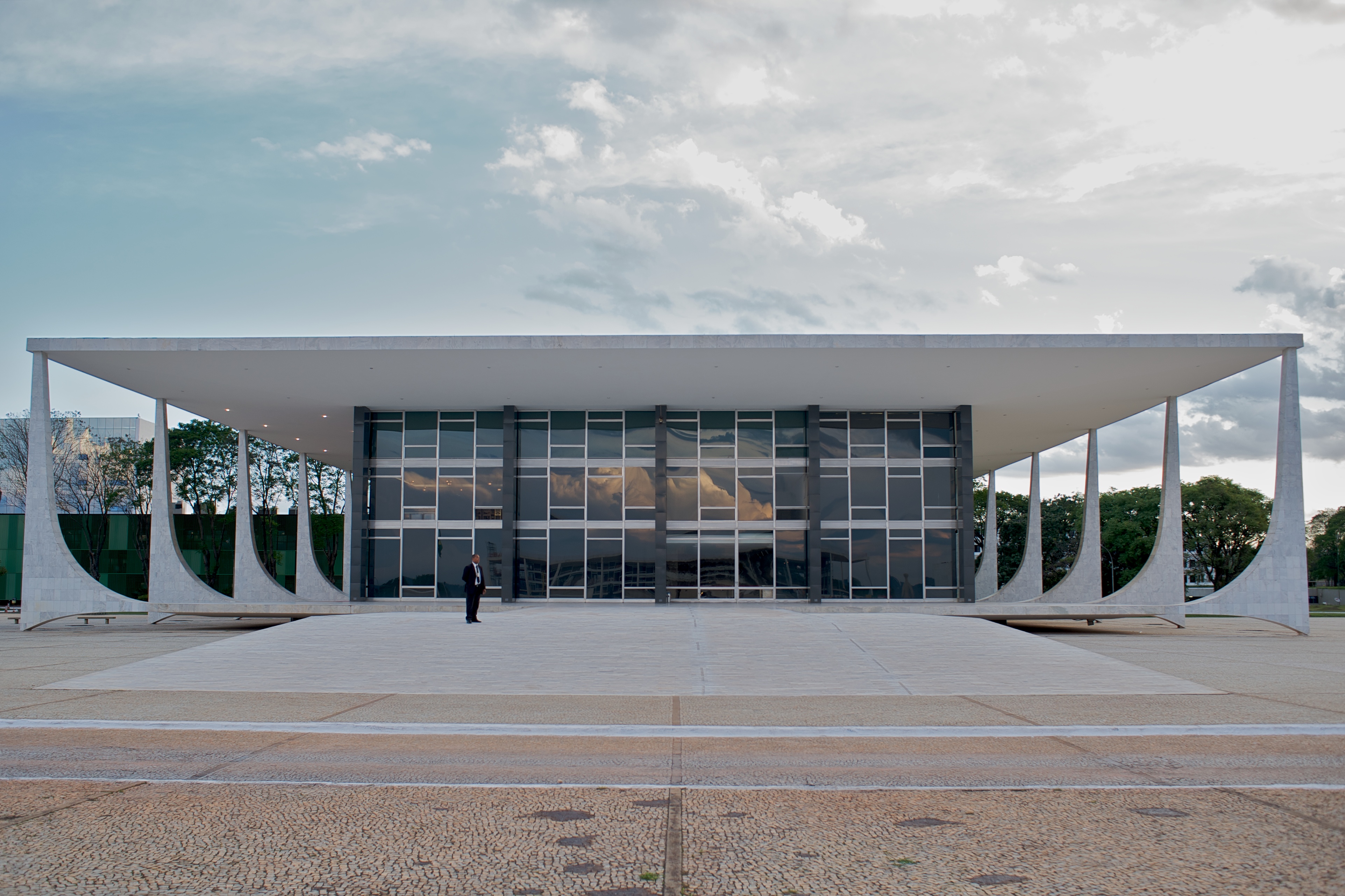
Brazil's Supreme Federal Court (STF) concludes its judgment Tuesday on the release of indemnity payments to magistrates and members of the Public Ministry [3].
The decision centers on whether to relax previous restrictions that capped these "penduricalhos" — a term for various judicial bonuses and indemnities — at the constitutional ceiling of R$ 46,000 [1]. This ruling determines if judicial officials can receive payments exceeding that limit and if those payments can be applied retroactively.
The proceedings took place via a virtual plenary session of the STF, which is headquartered in Brasília [2]. The court is weighing the legality of these payments and the extent to which the constitutional salary cap should apply to indemnity-based compensation.
Reports said five votes have already been cast in favor of releasing retroactive payments [2]. These payments often include benefits that judges argue are not salary in nature, but rather reimbursements for specific expenses, or professional milestones.
While most reports indicate the judgment concludes this Tuesday, June 30, some sources cited a Monday conclusion date [3]. The final ruling will establish the rules for how these funds are distributed across the Brazilian judiciary and the Public Ministry.
The court's deliberation follows a period of significant scrutiny regarding judicial spending and the adherence to the constitutional ceiling designed to limit public sector salaries [1].
“The STF is deciding whether to relax the earlier decision that capped indemnity payments at R$ 46,000.”
This judgment addresses a long-standing tension in the Brazilian legal system between the constitutional salary cap and the judicial practice of granting additional indemnities. If the court allows these payments to bypass the R$ 46,000 limit, it effectively creates a legal carve-out for the judiciary, potentially increasing public spending and sparking debate over the equity of the constitutional ceiling across different branches of government.


'%2F%3E%0A%20%20%20%20%3Crect%20width%3D'1600'%20height%3D'900'%20fill%3D'url(%23v)'%2F%3E%0A%20%20%20%20%3Cg%20opacity%3D'0.08'%20fill%3D'%23ffffff'%3E%0A%20%20%20%20%20%20%3Ccircle%20cx%3D'1420'%20cy%3D'180'%20r%3D'220'%2F%3E%0A%20%20%20%20%20%20%3Ccircle%20cx%3D'1500'%20cy%3D'760'%20r%3D'120'%2F%3E%0A%20%20%20%20%3C%2Fg%3E%0A%20%20%20%20%3Cline%20x1%3D'80'%20y1%3D'172'%20x2%3D'220'%20y2%3D'172'%20stroke%3D'%23ffffff'%20stroke-width%3D'3'%20stroke-opacity%3D'0.6'%2F%3E%0A%20%20%20%20%3Ctext%20x%3D'80'%20y%3D'140'%20font-family%3D'Inter%2C%20-apple-system%2C%20Helvetica%2C%20sans-serif'%20font-weight%3D'700'%20font-size%3D'28'%20fill%3D'%23ffffff'%20letter-spacing%3D'6'%3EHANNA%20%C2%B7%20NEWS%3C%2Ftext%3E%0A%20%20%20%20%3Ctext%20x%3D'80'%20y%3D'230'%20font-family%3D'Inter%2C%20-apple-system%2C%20Helvetica%2C%20sans-serif'%20font-weight%3D'600'%20font-size%3D'40'%20fill%3D'%23ffffffb3'%20letter-spacing%3D'4'%3EWORLD%3C%2Ftext%3E%0A%20%20%20%20%3Ctext%20x%3D'80'%20y%3D'622'%20font-family%3D'Playfair%20Display%2C%20Georgia%2C%20serif'%20font-weight%3D'800'%20font-size%3D'86'%20fill%3D'%23ffffff'%20letter-spacing%3D'-1'%3ERescue%20Operation%20Underway%3C%2Ftext%3E%3Ctext%20x%3D'80'%20y%3D'721'%20font-family%3D'Playfair%20Display%2C%20Georgia%2C%20serif'%20font-weight%3D'800'%20font-size%3D'86'%20fill%3D'%23ffffff'%20letter-spacing%3D'-1'%3EAfter%20Boy%20Falls%20Into%3C%2Ftext%3E%3Ctext%20x%3D'80'%20y%3D'820'%20font-family%3D'Playfair%20Display%2C%20Georgia%2C%20serif'%20font-weight%3D'800'%20font-size%3D'86'%20fill%3D'%23ffffff'%20letter-spacing%3D'-1'%3EBorewell%20in%20Haryana%3C%2Ftext%3E%0A%20%20%20%20%3Ctext%20x%3D'80'%20y%3D'870'%20font-family%3D'Inter%2C%20-apple-system%2C%20Helvetica%2C%20sans-serif'%20font-weight%3D'500'%20font-size%3D'22'%20fill%3D'%23ffffff66'%20letter-spacing%3D'2'%3Enews.hanna-ai.com%3C%2Ftext%3E%0A%20%20%3C%2Fsvg%3E)