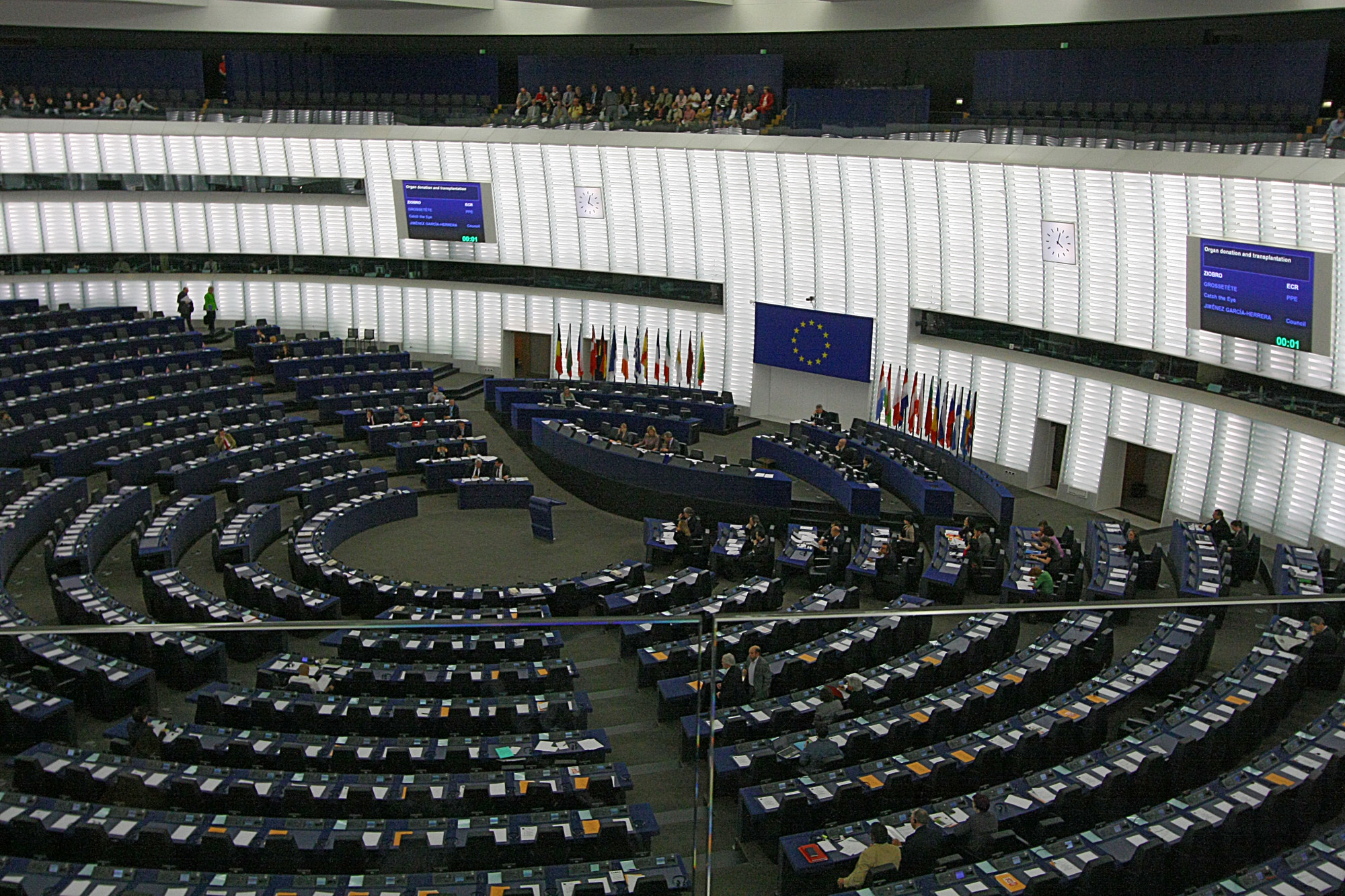
European officials and analysts are debating whether Brexit helped or hindered the European Union 10 years [1] after the 2016 referendum.
The anniversary serves as a critical benchmark for measuring the long-term political and economic stability of the bloc and its primary trading partner. The outcome of this assessment influences future enlargement prospects and the nature of EU-UK diplomatic relations.
Members of the European Parliament, including Barry Andrews and Sander Smit, have engaged in analysis regarding the Union's cohesion since the UK departed. Some analysts said the EU remains resilient and attractive, noting that other countries continue to queue to join the bloc [3]. This perspective posits that the EU has maintained its institutional integrity despite the loss of a major member state.
Conversely, the economic data presents a more complicated picture for the United Kingdom. Reports said Brexit has cut trade in almost every sector [6] of the UK economy. This widespread disruption suggests that the economic costs of separation have been significant and pervasive across various industries.
These conflicting views highlight a divide between institutional resilience and economic reality. While the EU's political structure may have weathered the departure, the trade relationship remains a point of friction. The debate now focuses on whether the current arrangement is sustainable or if further adjustments are needed to mitigate economic losses [3, 6].
Discussions in Brussels and across UK regions reflect a broader struggle to define the post-Brexit era. The focus remains on whether the EU's current trajectory of enlargement and integration is a direct result of the stability found after the UK's exit, or if the bloc is missing the strategic influence the UK once provided.
“Ten years have passed since the Brexit referendum”
The ten-year mark reveals a dichotomy between political cohesion and economic performance. While the EU has avoided a domino effect of further departures and continues to attract new applicants, the UK's internal economic data suggests significant trade degradation. This indicates that while the EU may have gained a more streamlined political direction, the regional economic synergy has been diminished.


