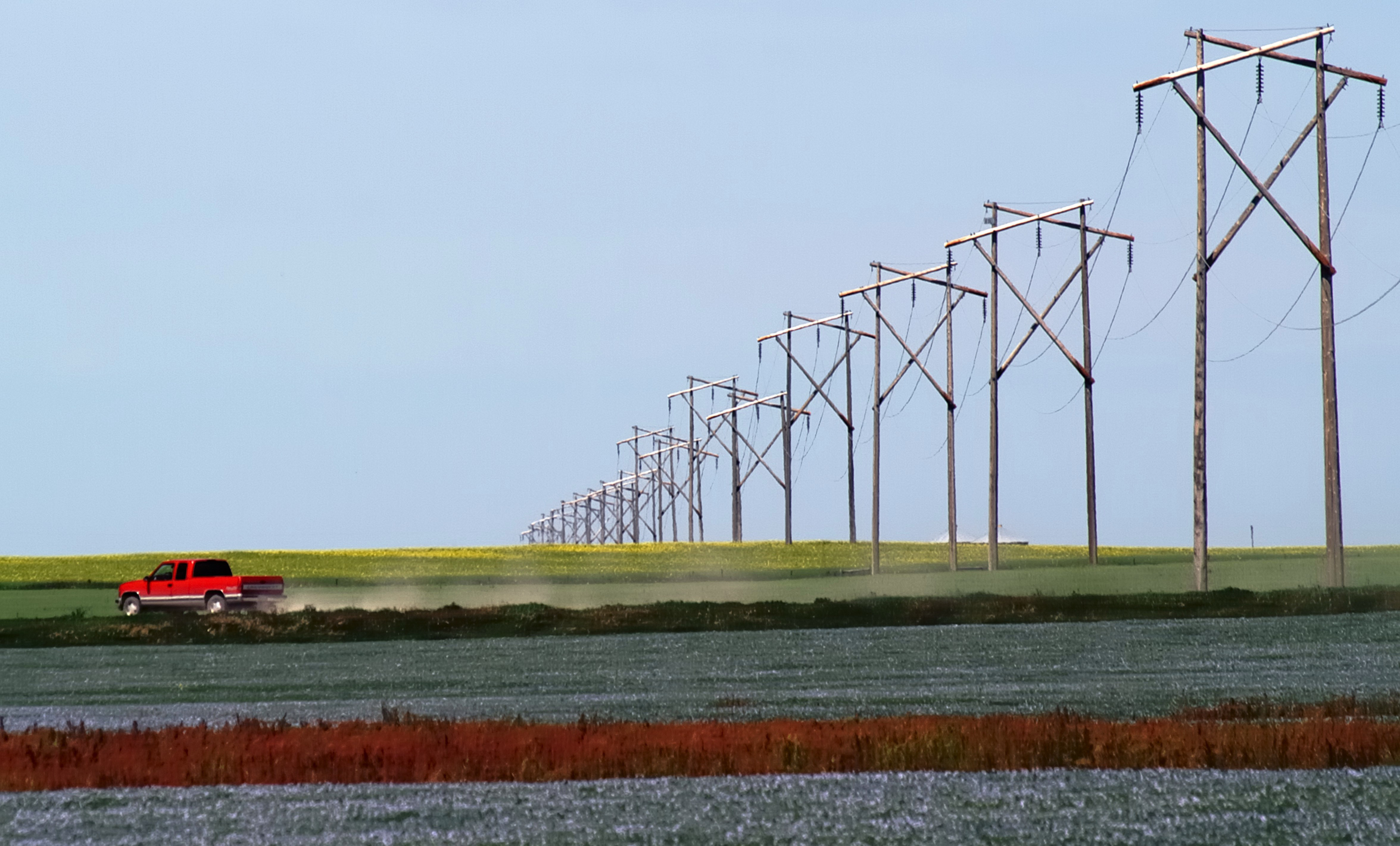
Canadian researchers are developing hardier canola plants to better withstand heat and drought [1].
This effort is critical because extreme weather patterns linked to climate change threaten the stability of crop yields. Ensuring that canola can survive volatile temperatures protects both the agricultural economy and the global food supply chain.
The project utilizes new gene technology to create plants capable of enduring harsh environmental stressors [1]. By modifying the genetic makeup of the crop, scientists aim to produce a variety that maintains productivity even during periods of severe water scarcity and high heat [2].
Researchers said the initiative is part of a broader push to integrate climate-ready innovations into the commercial market [2]. This process involves identifying specific traits that allow plants to regulate moisture and temperature more effectively, a necessity as traditional farming zones shift.
Agricultural experts said the focus on canola is strategic given the crop's importance to Canadian exports. The development of these hardier plants represents a shift toward proactive genetic adaptation rather than reactive crop management [1].
The program seeks to bridge the gap between laboratory discovery and field application [2]. By accelerating the delivery of these gene-edited crops to farmers, the researchers hope to mitigate the financial risks associated with total crop failure during drought years.
“Canadian researchers are developing hardier canola plants to better withstand heat and drought”
The shift toward gene-edited, climate-resilient crops indicates a growing reliance on biotechnology to offset the physical risks of global warming. If successful, this technology could provide a blueprint for adapting other essential oilseed crops to survive in increasingly arid environments, potentially reducing the volatility of agricultural commodity prices.


