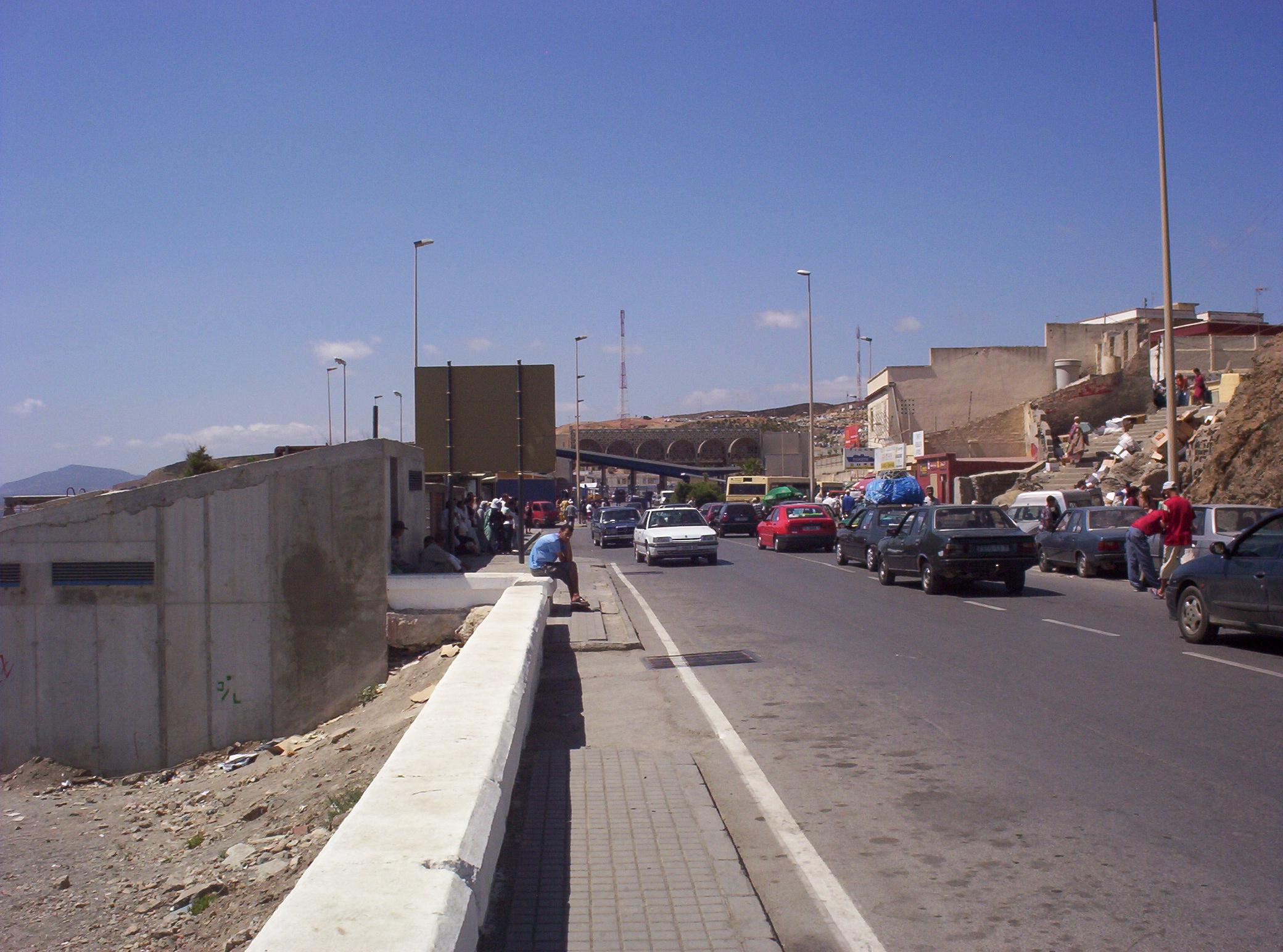
Thousands of migrants from Morocco entered the Spanish enclave of Ceuta on Thursday by crossing the border on foot and swimming [1].
The scale of the arrival has caused an operational collapse for security forces, raising urgent questions about border management and the humanitarian capacity of the North African territory.
Migrants bypassed border checkpoints by walking across the land boundary and swimming around the border breakwater [1, 2]. This coordinated movement overwhelmed the police and the Guardia Civil, who are tasked with maintaining the perimeter of the Spanish exclave [2].
"Estamos desbordados," or "We are overwhelmed," a spokesperson for the Police and Guardia Civil said [2].
The current situation has drawn comparisons to previous border crises in the region. Thousands of immigrants also entered the enclave in May 2021 [2]. However, officials suggest the current pressure is more sustained than previous spikes.
A representative for unions and associations of agents noted the duration of the current event compared to past incidents [2]. "Aquella duró dos días y ahora llevamos una semana y no tiene fin," the representative said [2].
Those crossing the border are seeking asylum or better living conditions within Spanish territory [1, 2]. The influx has forced security personnel to manage large crowds across beaches and roads, stretching resources to their limit [1].
Spanish authorities continue to monitor the perimeter as the flow of people persists. The operational strain remains high as the Guardia Civil attempts to process those who have entered the territory [2].
“"Estamos desbordados"”
The collapse of operational capacity in Ceuta highlights the vulnerability of the land border and the recurring nature of migration crises in the region. By utilizing both land and sea routes simultaneously, migrants have effectively neutralized standard perimeter defenses, forcing Spain to balance security enforcement with the humanitarian requirements of those seeking asylum.


