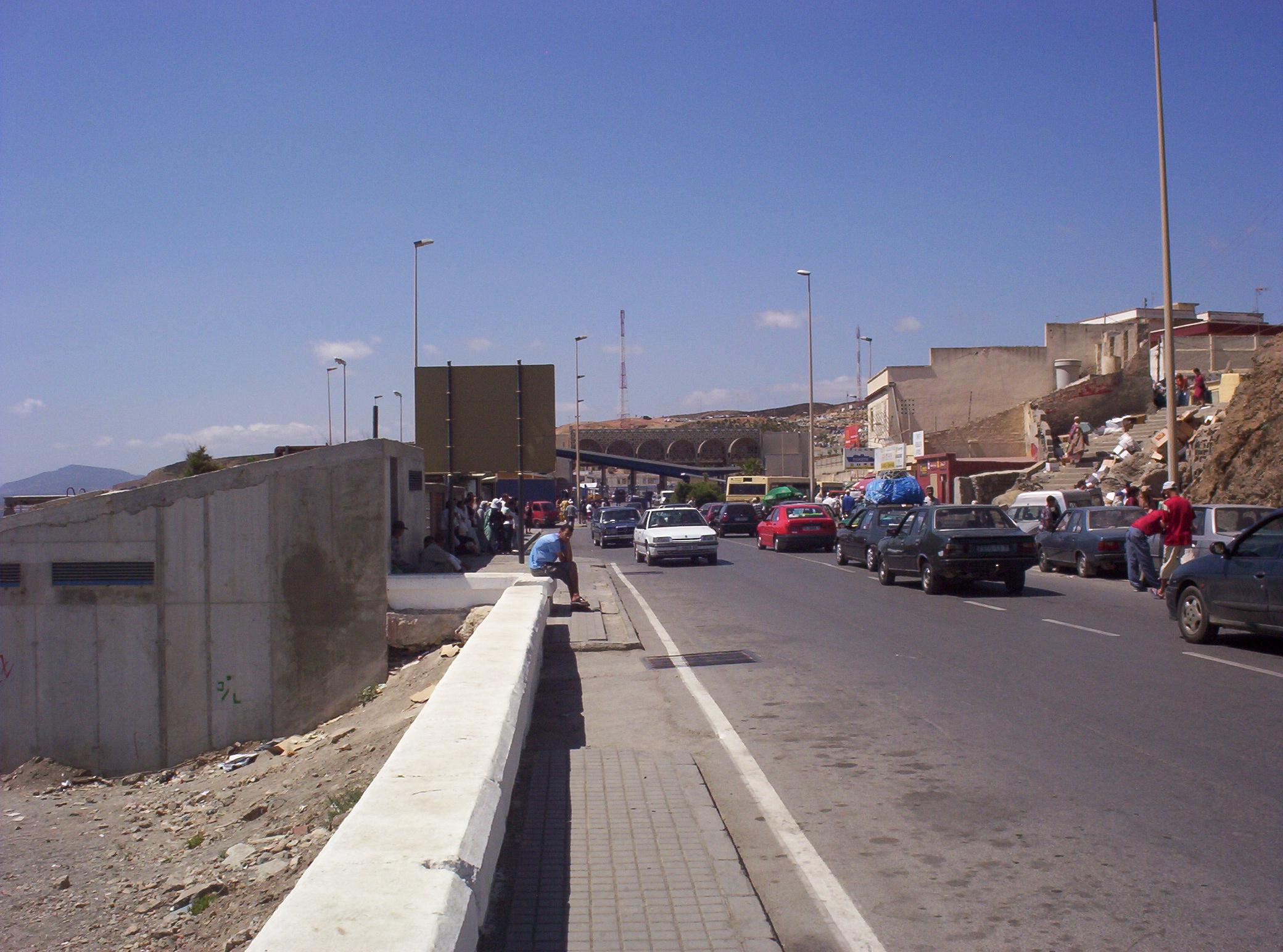
Tens of thousands of migrants who entered the Spanish enclave of Ceuta from Morocco voluntarily returned to Morocco on Friday [1, 2].
This mass movement highlights the precarious nature of EU border security and the humanitarian risks associated with irregular migration into Spanish territories. The scale of the crossing created a sudden crisis for local authorities and the migrants themselves.
The rush occurred this Friday, as people attempted to enter the European Union via the North African coast [1, 3]. Estimates of the total number of migrants who crossed into the enclave vary by source. Some reports place the number around 50,000 [1], while the president of Ceuta said the figure was 60,000 [3].
Spanish authorities urged a voluntary return to avoid further loss of life after the initial crossing became chaotic [1, 3]. Following these appeals, approximately 48,300 migrants have already turned back toward Morocco [2].
The human cost of the event remains unclear due to conflicting reports on casualties. Some sources report 57 deaths [1], while other reports cite 34 deaths [3] or as few as nine deaths [4].
Ceuta, a Spanish city located on the coast of Africa, serves as a frequent transit point for those seeking entry into Europe. The border between the enclave and Morocco is heavily fortified, but the sheer volume of the crowd on Friday overwhelmed security measures, leading to the reported fatalities.
“Approximately 48,300 migrants have already turned back toward Morocco.”
The volatility of the death toll and crossing numbers underscores the difficulty of monitoring border crises in real-time. The rapid voluntary return of nearly 50,000 people suggests that the migrants' primary goal was likely a breach of the border to trigger processing or asylum claims, rather than a permanent settlement within the enclave's limited infrastructure.


