'%2F%3E%0A%20%20%20%20%3Crect%20width%3D'1600'%20height%3D'900'%20fill%3D'url(%23v)'%2F%3E%0A%20%20%20%20%3Cg%20opacity%3D'0.08'%20fill%3D'%23ffffff'%3E%0A%20%20%20%20%20%20%3Ccircle%20cx%3D'1420'%20cy%3D'180'%20r%3D'220'%2F%3E%0A%20%20%20%20%20%20%3Ccircle%20cx%3D'1500'%20cy%3D'760'%20r%3D'120'%2F%3E%0A%20%20%20%20%3C%2Fg%3E%0A%20%20%20%20%3Cline%20x1%3D'80'%20y1%3D'172'%20x2%3D'220'%20y2%3D'172'%20stroke%3D'%23ffffff'%20stroke-width%3D'3'%20stroke-opacity%3D'0.6'%2F%3E%0A%20%20%20%20%3Ctext%20x%3D'80'%20y%3D'140'%20font-family%3D'Inter%2C%20-apple-system%2C%20Helvetica%2C%20sans-serif'%20font-weight%3D'700'%20font-size%3D'28'%20fill%3D'%23ffffff'%20letter-spacing%3D'6'%3EHANNA%20%C2%B7%20NEWS%3C%2Ftext%3E%0A%20%20%20%20%3Ctext%20x%3D'80'%20y%3D'230'%20font-family%3D'Inter%2C%20-apple-system%2C%20Helvetica%2C%20sans-serif'%20font-weight%3D'600'%20font-size%3D'40'%20fill%3D'%23ffffffb3'%20letter-spacing%3D'4'%3EBUSINESS%3C%2Ftext%3E%0A%20%20%20%20%3Ctext%20x%3D'80'%20y%3D'622'%20font-family%3D'Playfair%20Display%2C%20Georgia%2C%20serif'%20font-weight%3D'800'%20font-size%3D'86'%20fill%3D'%23ffffff'%20letter-spacing%3D'-1'%3EMigrant%20Crisis%20Hits%20Ceuta%20as%3C%2Ftext%3E%3Ctext%20x%3D'80'%20y%3D'721'%20font-family%3D'Playfair%20Display%2C%20Georgia%2C%20serif'%20font-weight%3D'800'%20font-size%3D'86'%20fill%3D'%23ffffff'%20letter-spacing%3D'-1'%3ESouth%20Korea%26apos%3Bs%20Kospi%3C%2Ftext%3E%3Ctext%20x%3D'80'%20y%3D'820'%20font-family%3D'Playfair%20Display%2C%20Georgia%2C%20serif'%20font-weight%3D'800'%20font-size%3D'86'%20fill%3D'%23ffffff'%20letter-spacing%3D'-1'%3EIndex%20Surges%3C%2Ftext%3E%0A%20%20%20%20%3Ctext%20x%3D'80'%20y%3D'870'%20font-family%3D'Inter%2C%20-apple-system%2C%20Helvetica%2C%20sans-serif'%20font-weight%3D'500'%20font-size%3D'22'%20fill%3D'%23ffffff66'%20letter-spacing%3D'2'%3Enews.hanna-ai.com%3C%2Ftext%3E%0A%20%20%3C%2Fsvg%3E)
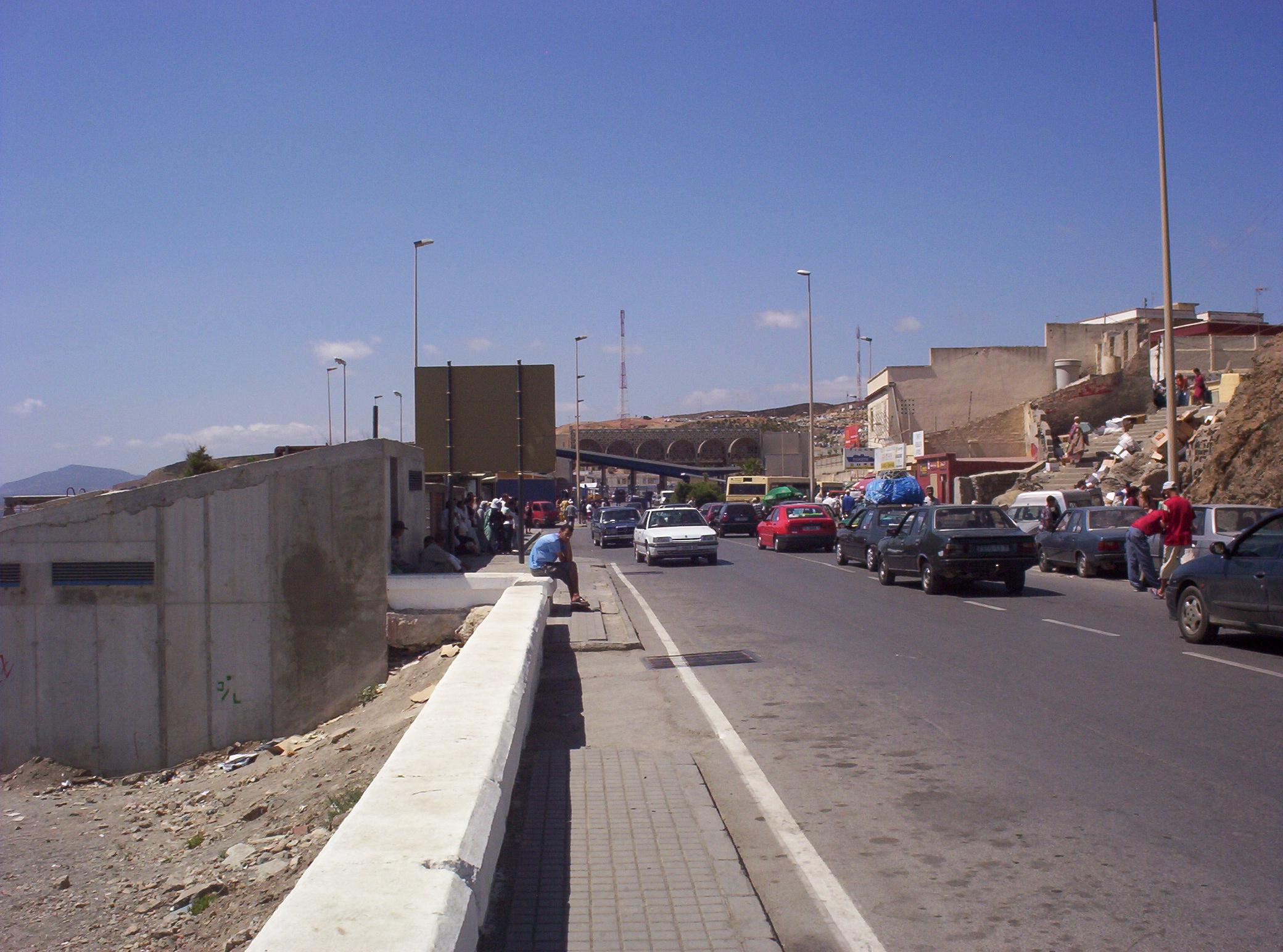
Approximately 49,000 migrants crossed from Morocco into the Spanish enclave of Ceuta over the last 24 hours [1].
The sudden influx has created a humanitarian and security crisis on the North African coast. This surge highlights the ongoing instability and push factors driving irregular migration into Europe through Spanish territories.
Authorities in Ceuta are managing the arrival of thousands of individuals attempting to enter Spain. The scale of the movement has sparked immediate debate over border security, and the humanitarian obligations of the Spanish government toward those seeking refuge or economic opportunity.
Meanwhile, in Asia, South Korea's Kospi index saw a significant rally [2]. The index jumped about 18% [2], marking a sharp increase in market value for the Seoul-based exchange.
Financial analysts said the rally was driven by strong performance in the technology sector. Specifically, memory chipmaker SK Hynix led the gains [2], benefiting from robust earnings and a broader wave of optimism regarding global tech stocks.
The growth in the Kospi reflects a wider trend of investor confidence in semiconductor companies. The demand for high-performance memory chips has positioned South Korean firms as central players in the global tech supply chain, fueling the recent market surge [2].
“Approximately 49,000 migrants crossed from Morocco into the Spanish enclave of Ceuta over the last 24 hours.”
These two disparate events illustrate a global landscape of extreme volatility. The crisis in Ceuta underscores the fragility of Mediterranean border controls and the persistent humanitarian pressures in North Africa. Simultaneously, the Kospi's rapid ascent demonstrates how concentrated reliance on the semiconductor industry, specifically AI-driven demand for memory chips, can create massive, rapid shifts in national economic valuations.