Authorities in Ceuta cancelled the city's annual festivities honoring the Virgin of Africa on Saturday, Aug. 1, following a migration-related lockdown [1].
The decision marks a significant disruption to the cultural life of the Spanish enclave on the north-African coast. The cancellation reflects the ongoing instability and security challenges the city faces as it manages surges of migrants attempting to enter the territory.
Local authorities began a cautious process of returning to normality after the city underwent a lockdown that lasted more than 24 hours [1]. This period of restricted movement was implemented to manage the aftermath of a migration crisis that strained local resources and security [1].
As the lockdown eased, shops and restaurants began to reopen their doors. However, officials said the return to business is being handled with caution to ensure that calm is maintained across the city [1]. The sudden suspension of the patron-saint festival, a cornerstone of the local calendar, underscores the severity of the recent unrest.
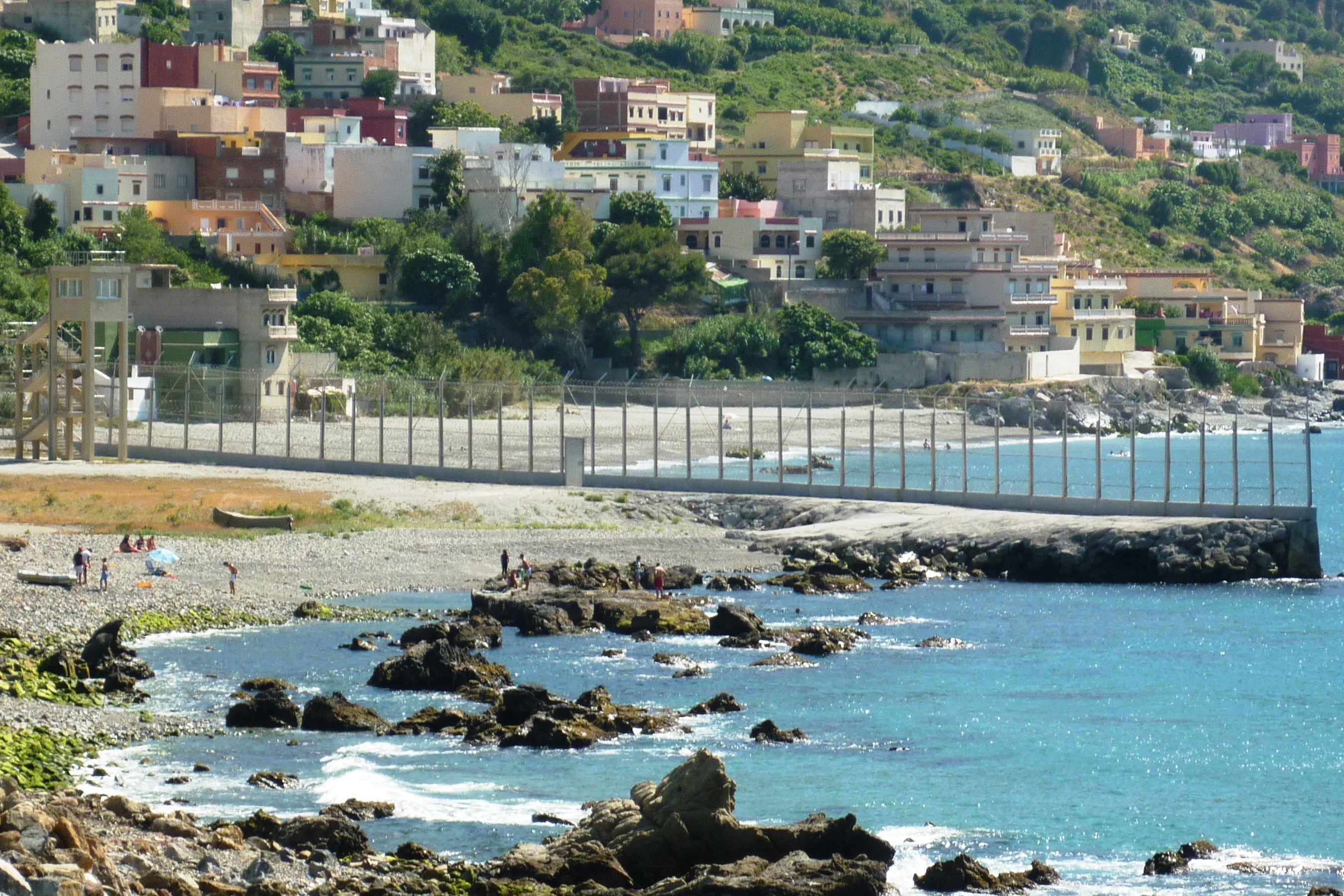
Ceuta remains a critical flashpoint for migration due to its geographic position as a Spanish territory bordering Morocco. The city's infrastructure often struggles to accommodate sudden increases in arrivals, leading to the emergency measures seen this week [1].
“Ceuta cancelled the city's annual festivities honoring the Virgin of Africa”
The suspension of a major religious and cultural event in Ceuta illustrates how migration pressures can immediately override civic life in the enclave. The use of a 24-hour lockdown suggests that local authorities viewed the migration surge as a critical security threat requiring total urban control, signaling a fragile balance between maintaining normality and managing border volatility.


