
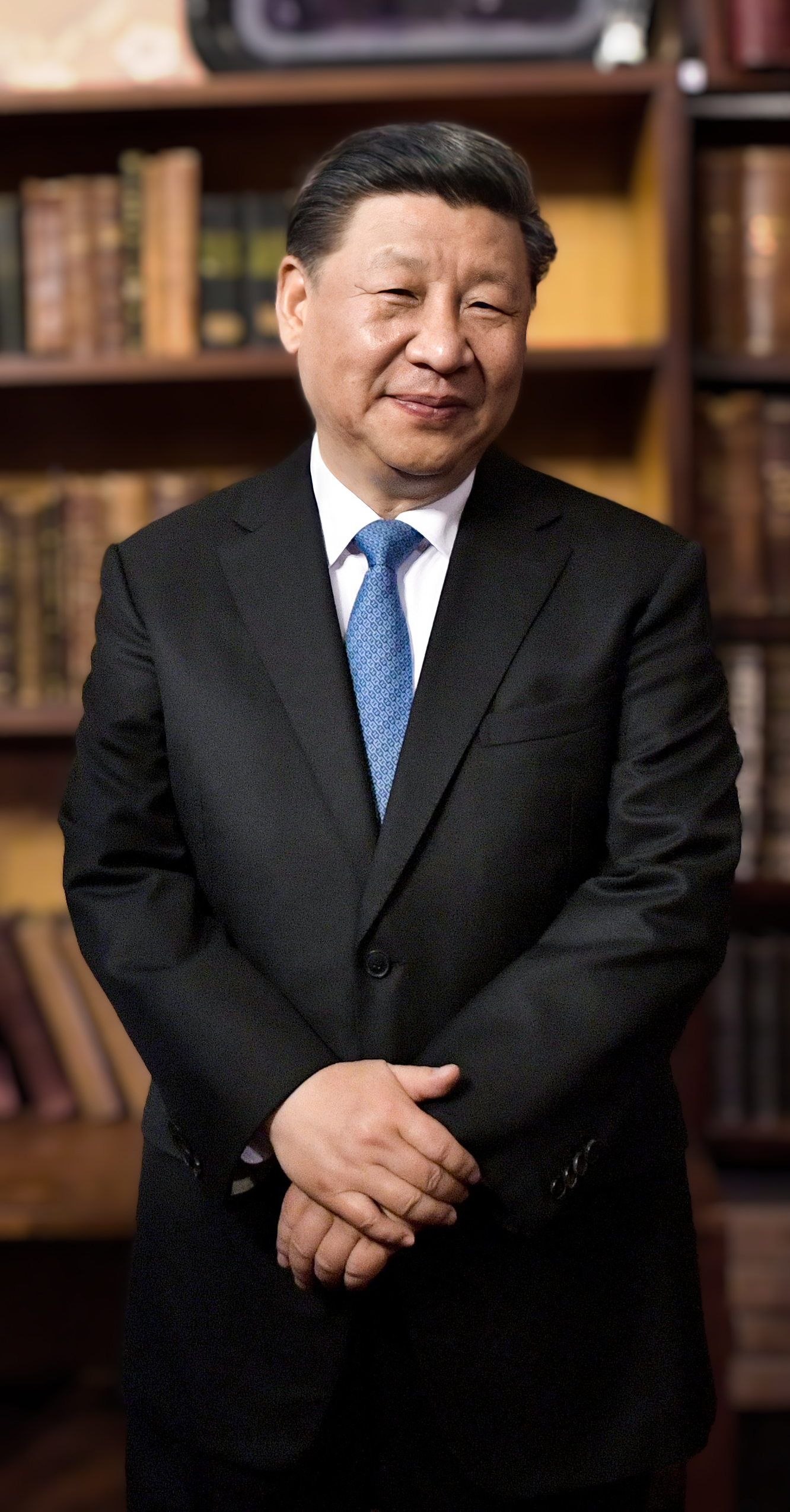
China added 20 nuclear warheads to its stockpile, bringing its total to approximately 620 as of January 2026 [1], [2].
The increase signals a broader trend among major nuclear powers to move away from disarmament commitments in favor of greater deterrent capabilities. This shift occurs as international arms-control treaties, including the New START agreement, expire or are ignored [3], [4].
According to a report from the Stockholm International Peace Research Institute (SIPRI), China expanded its nuclear warhead stockpile over the past year [1]. The report indicates the previous stockpile size was about 600 warheads [1]. SIPRI also said that China might have increased the number of warheads deployed with operational forces [1].
This movement of weapons from storage to operational delivery systems is not limited to China. Jakob Hallgren, Director of SIPRI, said the world’s nuclear-armed states are increasingly moving warheads onto delivery systems, which raises the risk of accidental or intentional use [3].
The buildup reflects a global environment where peace remains elusive and nuclear weapons are making a comeback [4]. SIPRI researchers said that the lack of active arms-control frameworks encourages nations to prioritize military readiness over transparency [3], [4].
The findings were detailed in the SIPRI year-book report, which was released on Monday, June 5, 2024 [1], [3].
“China added 20 nuclear warheads to its stockpile, bringing its total to approximately 620.”
The expansion of China's nuclear arsenal and the shift toward operational deployment suggest a transition from a policy of minimum deterrence to one of active readiness. As legacy arms-control treaties collapse, the lack of a multilateral framework to monitor warhead counts increases the likelihood of a new arms race among the U.S., Russia, and China.


