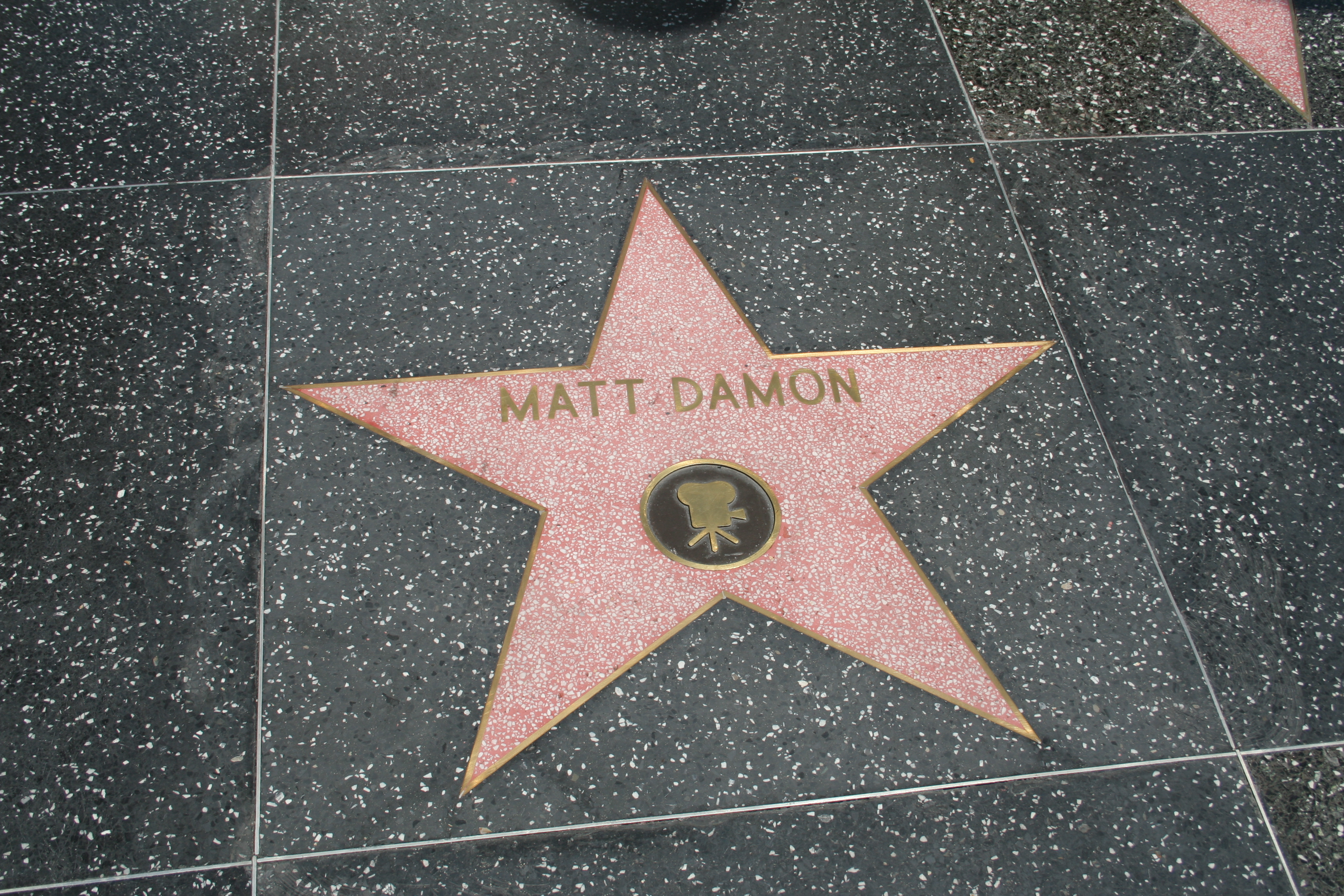
Christopher Nolan has released a cinematic adaptation of Homer's epic poem "La Odisea," which opened in theaters on July 16 [1].
The film brings one of the oldest stories in Western literature to a modern audience, testing Nolan's signature style against a narrative that has persisted for millennia.
According to a guide produced by BBC Mundo, the original poem was written approximately 3,000 years ago [2]. The story follows the protagonist, Odiseo, and his struggle to return to his home island of Ítaca in ancient Greece. This journey takes 10 years to complete [2].
Lorena Motos said for BBC Mundo that there are five key facts to help viewers understand the context of the adaptation [2]. The production features a high-profile cast, including Matt Damon, and Anne Hathaway [3]. Some reports also include Tom Holland as part of the principal cast [3].
The narrative centers on the enduring human struggle and the concept of home. By revisiting a text that is three millennia old, the film explores why the themes of the Odyssey remain compelling to contemporary audiences [2].
Nolan is known for complex structures, but this project anchors itself in the classical tradition of the epic. The film arrived in cinemas worldwide earlier this month [1].
“The original poem was written approximately 3,000 years ago.”
Nolan's decision to adapt the Odyssey signals a shift toward classical mythology, moving away from the theoretical physics of his recent work. By utilizing a story known for its non-linear journey and immense time scale, the director aligns the ancient epic's structure with his own cinematic preoccupation with time and memory.
'%2F%3E%0A%20%20%20%20%3Crect%20width%3D'1600'%20height%3D'900'%20fill%3D'url(%23v)'%2F%3E%0A%20%20%20%20%3Cg%20opacity%3D'0.08'%20fill%3D'%23ffffff'%3E%0A%20%20%20%20%20%20%3Ccircle%20cx%3D'1420'%20cy%3D'180'%20r%3D'220'%2F%3E%0A%20%20%20%20%20%20%3Ccircle%20cx%3D'1500'%20cy%3D'760'%20r%3D'120'%2F%3E%0A%20%20%20%20%3C%2Fg%3E%0A%20%20%20%20%3Cline%20x1%3D'80'%20y1%3D'172'%20x2%3D'220'%20y2%3D'172'%20stroke%3D'%23ffffff'%20stroke-width%3D'3'%20stroke-opacity%3D'0.6'%2F%3E%0A%20%20%20%20%3Ctext%20x%3D'80'%20y%3D'140'%20font-family%3D'Inter%2C%20-apple-system%2C%20Helvetica%2C%20sans-serif'%20font-weight%3D'700'%20font-size%3D'28'%20fill%3D'%23ffffff'%20letter-spacing%3D'6'%3EHANNA%20%C2%B7%20NEWS%3C%2Ftext%3E%0A%20%20%20%20%3Ctext%20x%3D'80'%20y%3D'230'%20font-family%3D'Inter%2C%20-apple-system%2C%20Helvetica%2C%20sans-serif'%20font-weight%3D'600'%20font-size%3D'40'%20fill%3D'%23ffffffb3'%20letter-spacing%3D'4'%3EWORLD%3C%2Ftext%3E%0A%20%20%20%20%3Ctext%20x%3D'80'%20y%3D'694'%20font-family%3D'Playfair%20Display%2C%20Georgia%2C%20serif'%20font-weight%3D'800'%20font-size%3D'110'%20fill%3D'%23ffffff'%20letter-spacing%3D'-1'%3EForest%20Fire%20Destroys%20110%3C%2Ftext%3E%3Ctext%20x%3D'80'%20y%3D'820'%20font-family%3D'Playfair%20Display%2C%20Georgia%2C%20serif'%20font-weight%3D'800'%20font-size%3D'110'%20fill%3D'%23ffffff'%20letter-spacing%3D'-1'%3EHectares%20in%20Ibagu%C3%A9%2C%20Colombia%3C%2Ftext%3E%0A%20%20%20%20%3Ctext%20x%3D'80'%20y%3D'870'%20font-family%3D'Inter%2C%20-apple-system%2C%20Helvetica%2C%20sans-serif'%20font-weight%3D'500'%20font-size%3D'22'%20fill%3D'%23ffffff66'%20letter-spacing%3D'2'%3Enews.hanna-ai.com%3C%2Ftext%3E%0A%20%20%3C%2Fsvg%3E)

